News
Mattel Is 3D Printing the Toys of Tomorrow
When it comes to producing toys, additive manufacturing is a helpful tool that has been used across various industries. Companies such as LEGO have already used AM for applications such as the creation of new parts and the elimination of…
- 3 min read
- News
- Six more stories
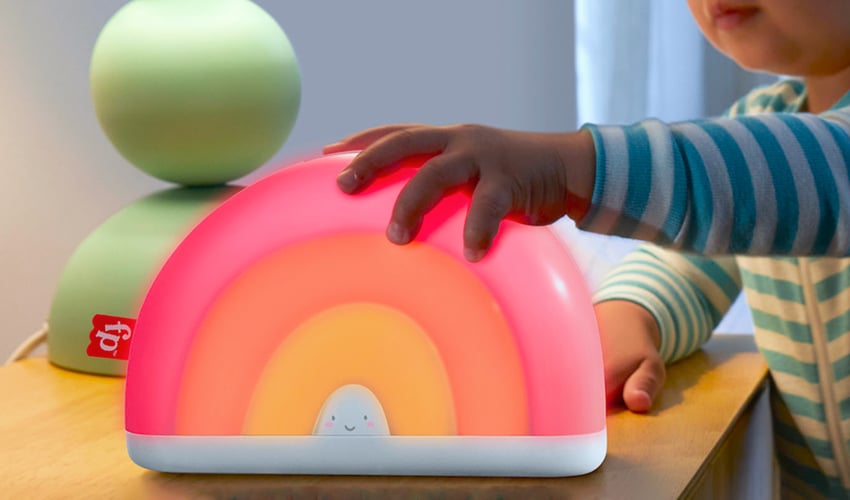
When it comes to producing toys, additive manufacturing is a helpful tool that has been used across various industries. Companies such as LEGO have already used AM for applications such as the creation of new parts and the elimination of excess waste. Similarly, Mattel, one of the world’s largest producers of children’s toys, has also had its own success story with 3D printing. The company has stated that its mission is to create new and more advanced toys that can better aid the development of future generations by focusing on constant innovation. To reach that end, they used the Method line of 3D printers from MakerBot to create what they call the “toys of tomorrow”.
To better pursue its mission of innovative design, Mattel has a team dedicated to the research and development of new toys led by Jack Peach, chief innovation engineer and product design team leader. Peach and his team provide support to Mattel’s titanic portfolio of iconic brands including Barbie, Hot Wheels, Fisher-Price, Uno, Monster High and more. With these legendary childhood names, the team helps brands execute their vision based on consumer tastes by testing mechanical features, researching and prototyping certain toys. As a result, the company is taking the opportunity to enable further growth and production through the implementation of additive manufacturing.
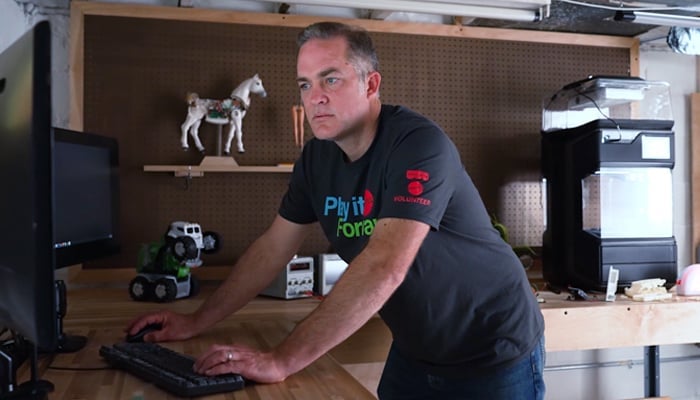
Photo Credits: Mattel
3D Printing At Mattel
To achieve their goal, the technology team at Mattel utilized Fused Filament Fabrication, which allowed them to quickly make changes and new iterations, while experimenting with different shapes, materials and mechanical features. Jack Peach explains, “Our team’s focus is to share innovative product features with the brand team and help bring them to market. When physical models are needed, our team can rely on industrial-grade 3D printing materials like ABS-R or Nylon Carbon Fiber because they are durable enough to prove out form and function.”
More from the desk
Six other notes from the rest of the bench.
 News3D printed corals could help energy production and coral conservation3D printing technologies can be used to create complex and intricate structures by enabling a new level of design freedom. This is one of the main benefits of additive manufacturing, and one of the aspects many scientists around the world…
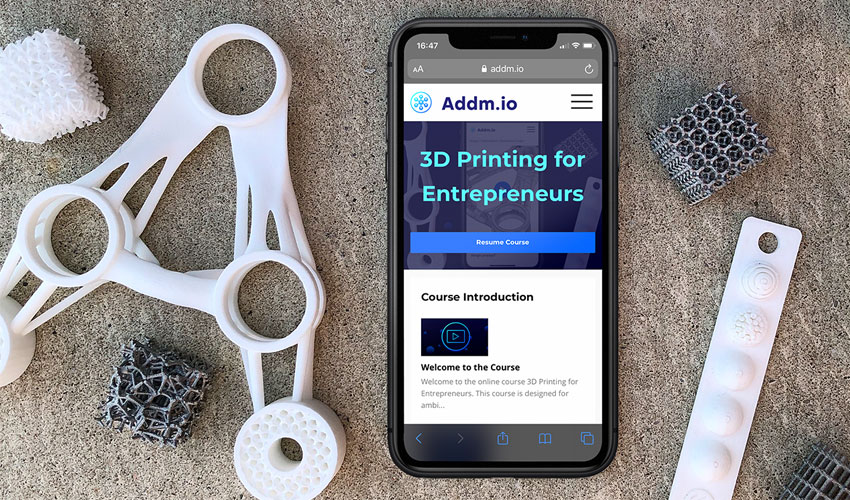 GuidesAddmio, an online platform to learn 3D printingWhile 3D printing is gradually taking hold in our businesses and industries, it is still a technology that is difficult to grasp. Specific skills are required to enter this market, whether in terms of materials, equipment or design. A number…
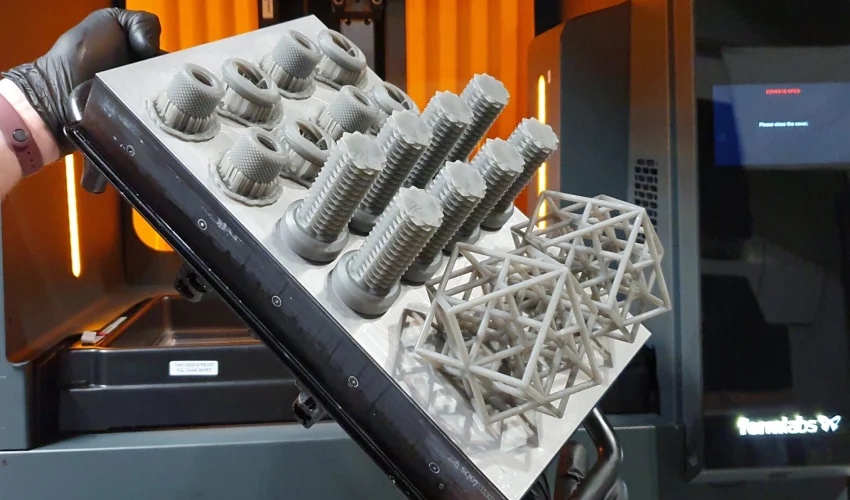 MaterialsGetting Started With 3D Printing: Choosing the Right ResinIf you are reading this, you have probably taken the plunge and purchased your first resin 3D printer. But now it’s time to consider another crucial element: the choice of resin. The resin you use plays a decisive role in…
 Applications3D Printed Human Islets for Better Treatment of Type 1 DiabetesAccording to the WHO, over 800 million people worldwide suffer from diabetes. While type 2 diabetes can be prevented with a healthy diet and sufficient exercise, the causes of type 1 diabetes have not yet been fully researched. This type…
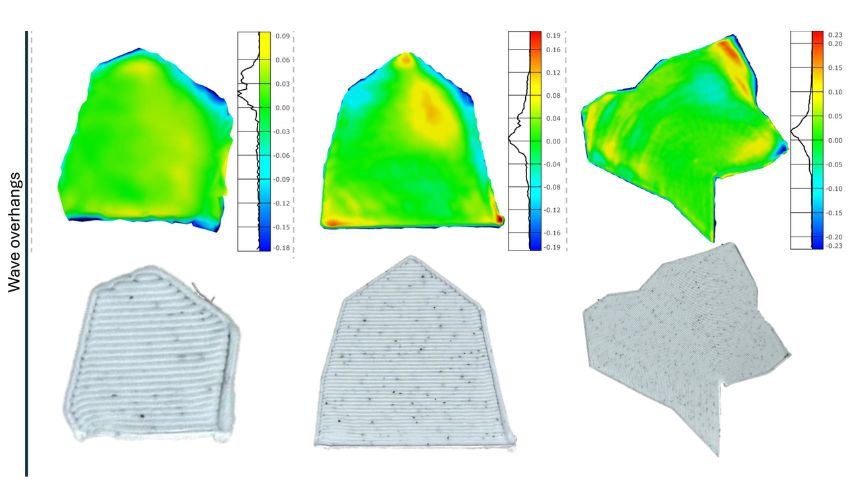 NewsSupport-Free 3D Printing with 90° Overhang Angles? A New Study Reveals How Standard FDM Printers Can Do ItFor a long time, standard 3-axis fused deposition modeling (FDM) printer operators have followed a general rule: if you want to print a horizontal overhang, you need to print a sacrificial support structure underneath it, otherwise the hot plastic will…
 NewsTop 5 Videos of the Week: Stratasys, HP, & More!This week’s Top 5 Videos contain a variety of videos, including videos from Stratasys, HP, Michelin, and more. They display how 3D printing is being used to advance in healthcare, safety, in addition to food. Remember, a new Top 5…