Applications
3D Printed Human Islets for Better Treatment of Type 1 Diabetes
According to the WHO, over 800 million people worldwide suffer from diabetes. While type 2 diabetes can be prevented with a healthy diet and sufficient exercise, the causes of type 1 diabetes have not yet been fully researched. This type…
- 3 min read
- Applications
- Six more stories

According to the WHO, over 800 million people worldwide suffer from diabetes. While type 2 diabetes can be prevented with a healthy diet and sufficient exercise, the causes of type 1 diabetes have not yet been fully researched. This type is an autoimmune disease that can break out suddenly. The body’s own islets can no longer produce enough insulin, as a result of which the body can no longer regulate blood sugar levels. To counteract the dramatic consequences of the failing fluctuations, those affected have to inject themselves with insulin several times a day and constantly monitor their blood sugar levels. Now, a new approach could provide a remedy: 3D printed islets made from the body’s own tissue!
International scientists have been researching a method to produce functional human islets using a 3D printing process. The results were presented last weekend at the ESOT Congress in London. Experts on site described the approach as “a turning point in diabetes care,” as the 3D printed islets represent an effective and less invasive alternative to conventional islet transplants.
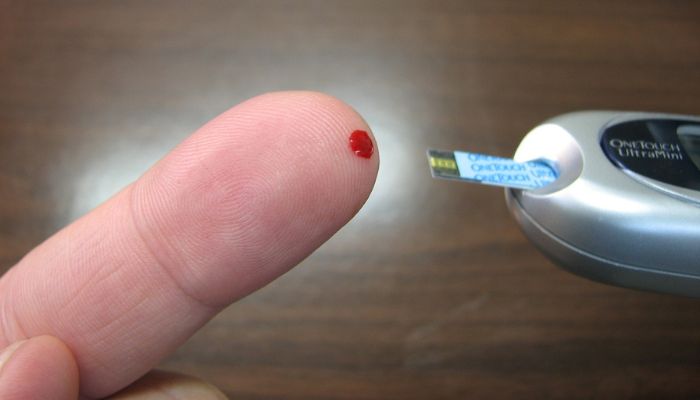
People suffering from diabetes must constantly monitor their blood sugar levels and administer insulin injections themselves. (Image: Pixabay)
3D Printing of Human Islets
The 3D printed islets consist of a tailor-made bio-ink based on alginate and decellularized human tissue from the pancreas. The researchers succeeded in creating a dense and porous structure using the 3D printing process. This ensures an improved flow of oxygen and nutrients, which promotes cell health and has a positive effect on vascularization, essential prerequisites for proper functioning after a transplant.
More from the desk
Six other notes from the rest of the bench.
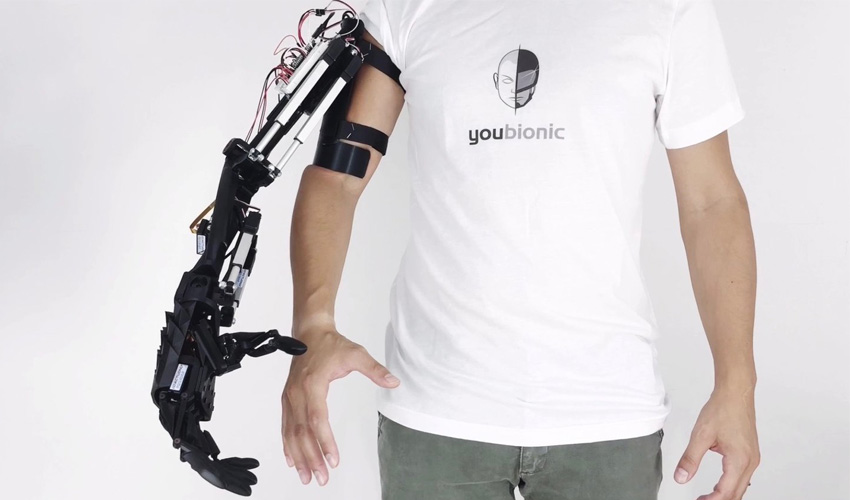 ApplicationsYoubionic and their 3D printed bionic armYoubionics is a company of Italian origin that became known a few years ago when presenting a bionic prosthesis. Which gave it a spot on our ranking of the best 3D printed prostheses. From this development they have recently unveiled their new…
 NewsTAM and World Housing’s 3D Printed Village to End HomelessnessWorld Housing has been fighting homelessness since 2013, seeking sustainable and viable solutions to ensure that everyone can have a roof over their heads. It recently formed a partnership with Twente Additive Manufacturing (TAM), a Dutch manufacturer of 3D concrete…
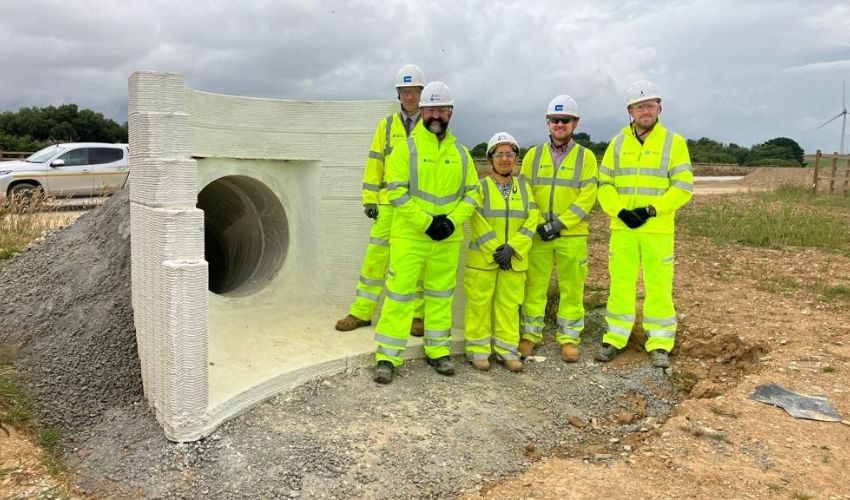 NewsCambridge Researchers 3D Print Smart Wall on UK National HighwaysCambridge researchers have achieved a significant milestone by developing the first 3D printed concrete infrastructure for a National Highways project. The innovative structure, known as a headwall, has been installed on the A30 in Cornwall and is equipped with sensors…
 PrintersImproving 3D Scans with AESUB SpraysThe German company AESUB has developed a variety of 3D scanning sprays that improve the quality of scans, giving them a clear, matte finish. There are currently two products available: AESUB Blue, a mattifying spray that evaporates just a few…
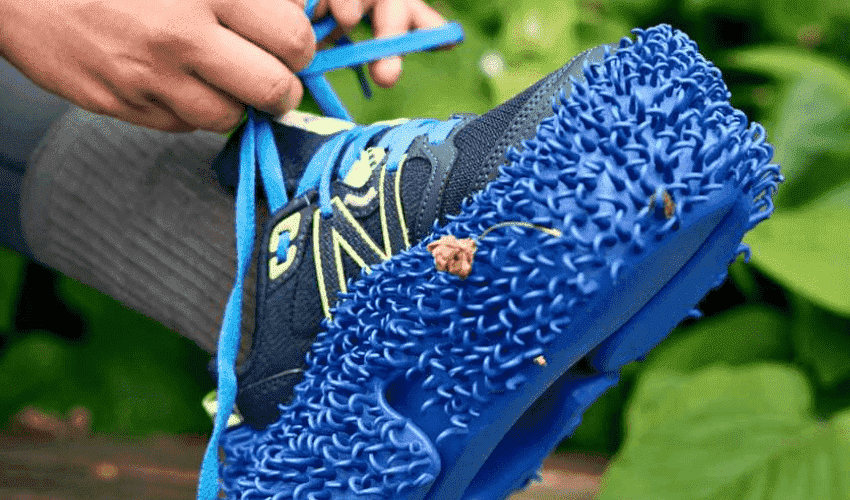 News3D Printed Running Shoes Help ‘Rewild’ Urban SpacesResembling a hoof, dispersing seeds, and emerging from a 3D printer – these are not traits you’d normally associate with a running shoe. Yet, the synergy of innovative design, ambition, and a fearless creative spirit has melded these features seamlessly…
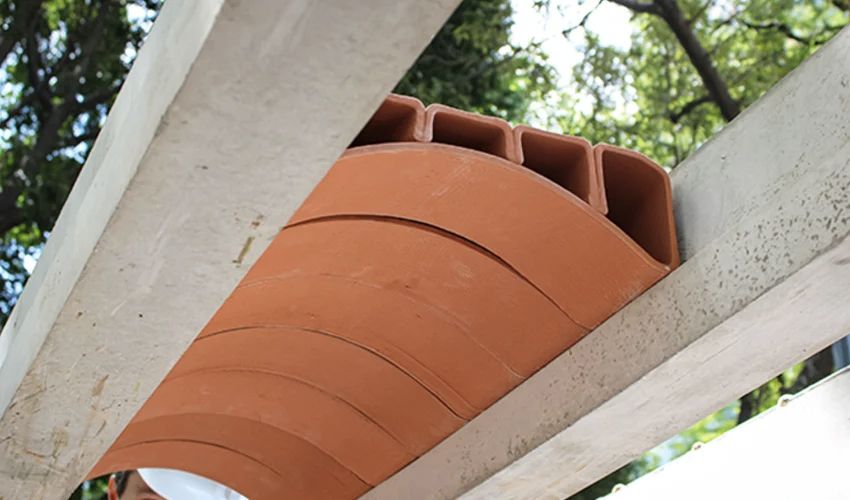 News3D Printed Pavilion in Mexico Combines Craftsmanship and SustainabilityMEXTRÓPOLI is the largest Architecture and City Festival in the Americas, based in Mexico City. More than 80,000 people gathered at the 2022 edition to generate knowledge, exchange and a new vision of the city through architecture. One of the…