Printers
New extruder transforms METHOD 3D printer into an open materials platform
The METHOD is a professional desktop 3D printer that enables the creation of parts for industrial applications. Launched by MakerBot and based on Fused Deposition Modeling technology, the METHOD enables users to work with technical materials. Back in November 2019,…
- 3 min read
- Printers
- Six more stories
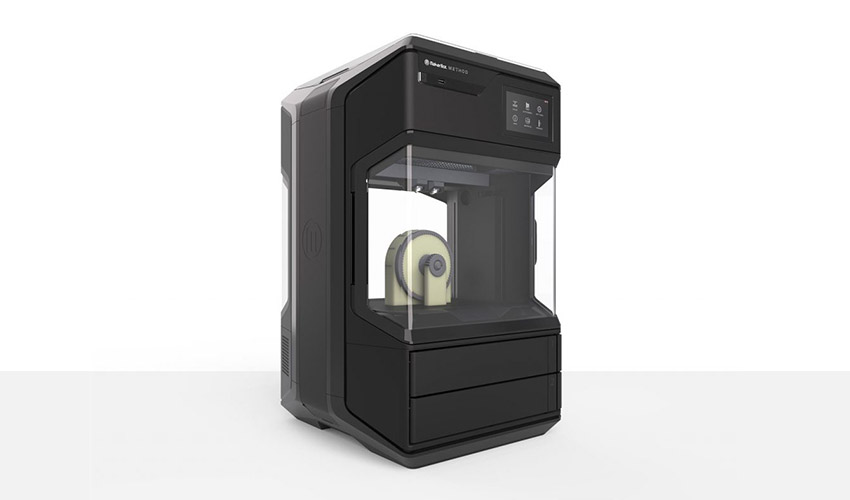
The METHOD is a professional desktop 3D printer that enables the creation of parts for industrial applications. Launched by MakerBot and based on Fused Deposition Modeling technology, the METHOD enables users to work with technical materials. Back in November 2019, the company released an experimental extruder designed by MakerBot LABS and a materials development program to expand the range of materials compatible with its machines. Recently, the company revealed that it is going one step further by releasing a new extruder that will turn the METHOD into an open materials platform.
In other words, the success of the METHOD Materials Development Program, which allowed leading filament manufacturers to qualify their materials for the MakerBot LABS extruder, showcased the need for an even wider availability of materials. For this reason, the 3D printer manufacturer is opening up its platform completely. Johan Till-Broer, VP of Product Development at MakerBot explained: “By transforming METHOD into an open materials platform, we provide our users with an incredibly powerful tool to realize their ideas. Engineers can now print a growing number of advanced third-party materials on an industrial 3D printing platform, which was designed to produce stronger and more accurate parts than competing desktop 3D printers.”
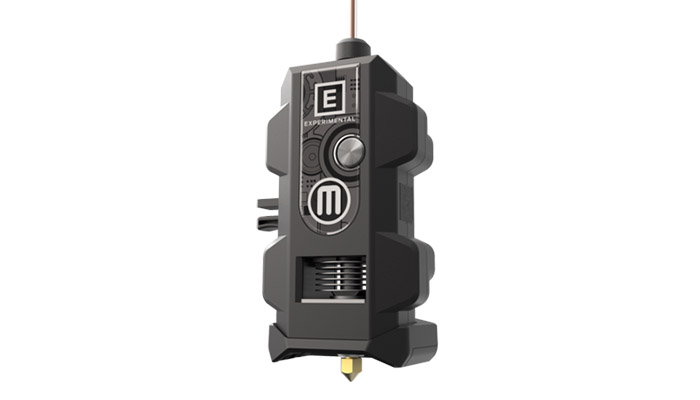
The MakerBot experimental extruder | Credits: MakerBot
It’s true that few desktop machines allow for engineering-grade materials to be printed, and if they do, users are forced to use the manufacturers’ qualified materials. Yet, new data suggests that there is a strong link between material choice and the adoption of additive manufacturing for companies. Additionally, a great number of high-performance materials are being developed as they offer many benefits for industrial applications in sectors such as aerospace, automotive or medical.
More from the desk
Six other notes from the rest of the bench.
 PrintersKnust-Godwin uses VELO3D’s metal AM system to create meter-tall partsIt’s been a busy first half of the year for VELO3D: the company launched a new metal 3D printer, and raised $28 million in a Series D funding round. A few days ago, the company also revealed it had raised…
 PrintersPrusa SL1, an open-source 3D resin printer for $ 1,599Famous Czech manufacturer Josef Prusa, behind the open-source 3D printers of the same name, recently unveiled a brand new SLA machine, the Prusa SL1. In the continuity of its expansion – the company today employs 320 people, Prusa has decided to expand its…
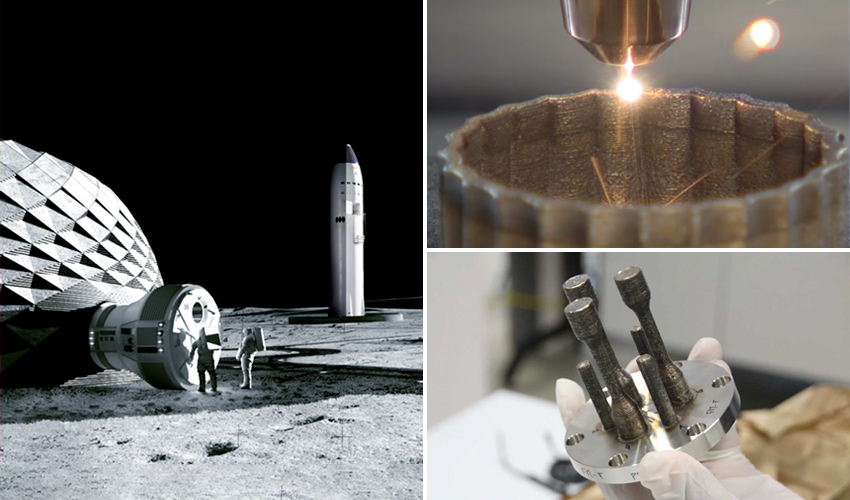 GuidesWhat Are the Applications for 3D Printing in Space?Space is the final frontier of human exploration and additive manufacturing is playing a key role in that expansion. From producing rocket components to printing parts in zero gravity, 3D printing is being chosen in aerospace for its ability to…
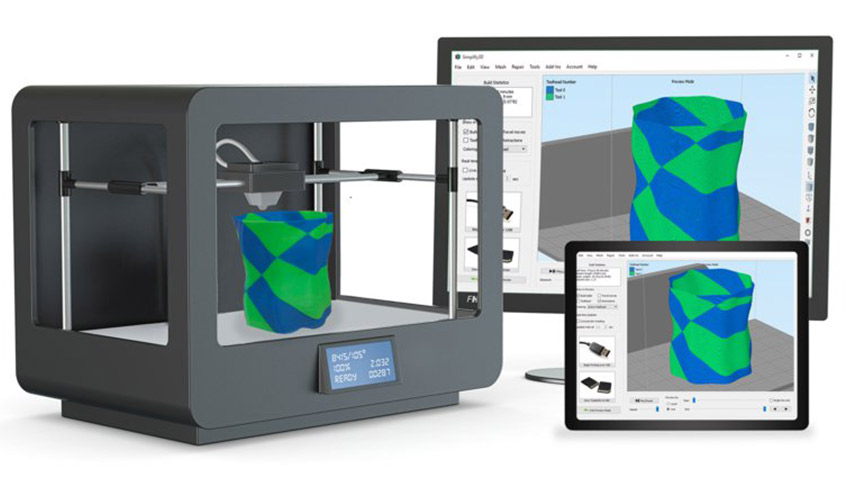 SoftwareSimplify3D, a Slicer for Professionals?Simplify3D is a slicer designed to help you import a model from online platforms, modify it to your liking, and send it to your 3D printer as G-code so that the object can be printed. Although some programs, such as…
 NewsMeat eaters try 3D printed plant-based meatRedefine Meat develops 3D printing technology to produce plant-based meat alternatives (which they call Alt-Meat products). Today, the Israeli-based company revealed the results of the largest-scale public blind-tasting of Alt-Meat products ever made, targeted to meat eaters. Con
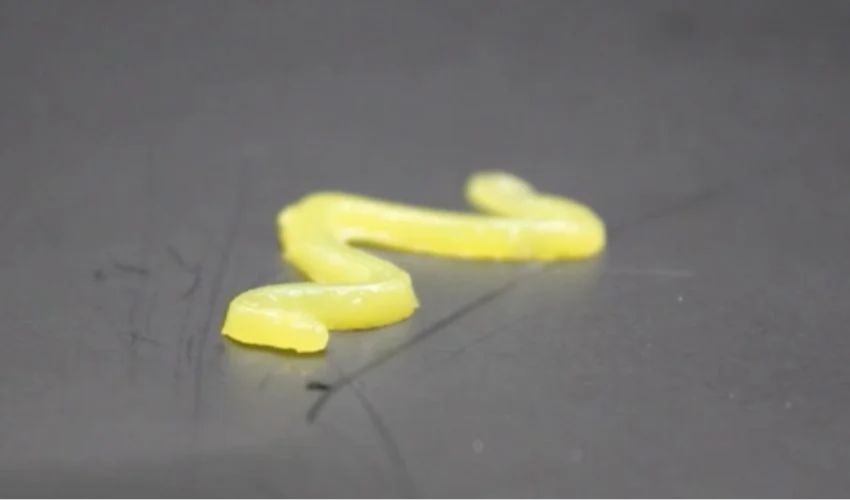 MaterialsSoft Motors: The 3D Material That Changes Shape On Its OwnA team of researchers at Oregon State University, led by Devin Roach, has developed a revolutionary technique for 3D printing materials that can change shape. The material is programmed and once printed, it moves like muscles. These materials, known as…