Guides
What Are the Applications for 3D Printing in Space?
Space is the final frontier of human exploration and additive manufacturing is playing a key role in that expansion. From producing rocket components to printing parts in zero gravity, 3D printing is being chosen in aerospace for its ability to…
- 3 min read
- Guides
- Six more stories
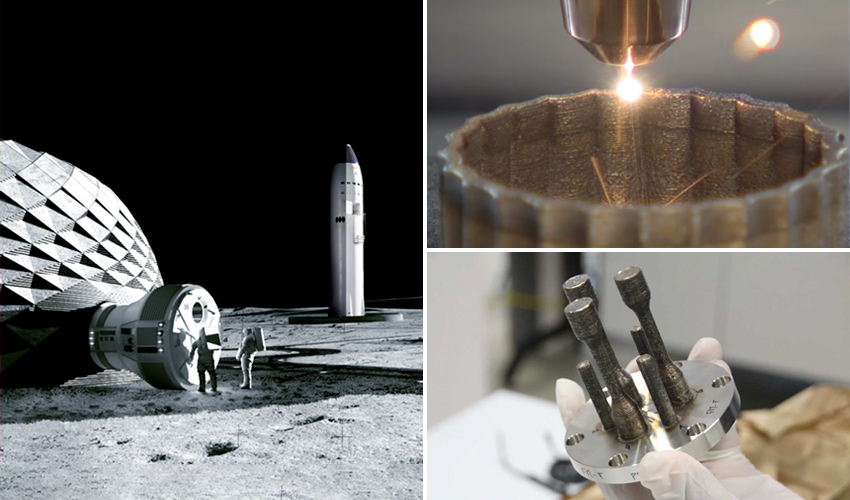
Space is the final frontier of human exploration and additive manufacturing is playing a key role in that expansion. From producing rocket components to printing parts in zero gravity, 3D printing is being chosen in aerospace for its ability to reduce costs, optimize designs and enable manufacturing in extreme environments. Space companies and agencies such as NASA and ESA have already incorporated 3D printed parts into their missions and even futuristic applications are being explored, such as printing food and biological tissues for long-duration missions.
One of the areas where 3D printing has had the greatest impact is rocket development. In these developments, additive manufacturing has been able to shine as it allows for optimizing the performance of even these demanding components. Since we have already devoted an entire article to rockets and spacecraft, let’s take a look at some of the other fascinating applications of 3D printing in space.
In-Space Manufacturing
3D Printing in Zero Gravity: The First Step Towards Space Factories
Efficient 3D printing in space is currently one of the biggest goals of space organizations, as it would enable numerous applications on-site. However, the conditions in space are fundamentally different from those on Earth, with microgravity and vacuum in particular causing difficulties for conventional 3D printers. So, researchers at the University of Glasgow have developed a solution to advance 3D printing in zero gravity. Dr. Gilles Bailet from the University of Glasgow has been working for years on a prototype 3D printer for space that prints devices directly in orbit, such as reflectors, communication antennas or medicine. The printer processes granular material and prints efficiently even under the prevailing conditions. Bailet sees this as the solution to pave the way for space factories. The printer was extensively tested in several test flights in November 2024.
More from the desk
Six other notes from the rest of the bench.
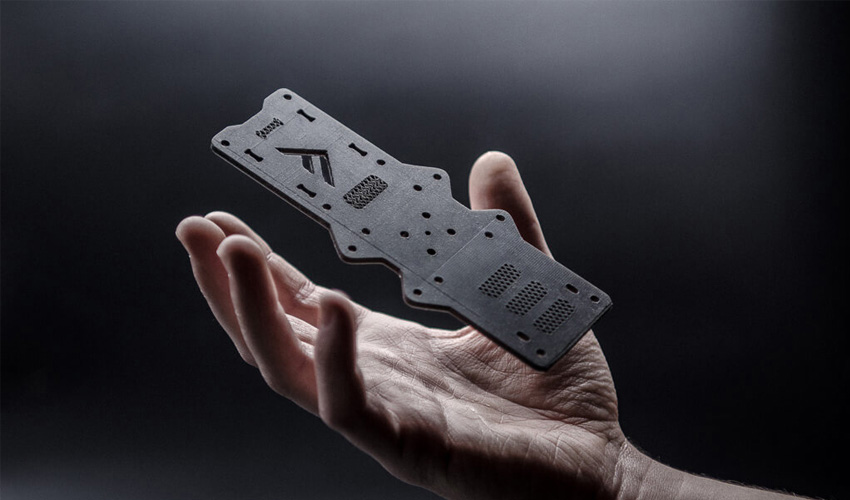 MaterialsFortify combining magnetics and DLP technology for 3D printingFortify is a young company that seeks to revolutionise the long delivery cycle and the often poor material quality of traditional manufacturing processes.The company was founded on research on composite 3D printing by Randall Erb and Joshua Martin at Northeastern…
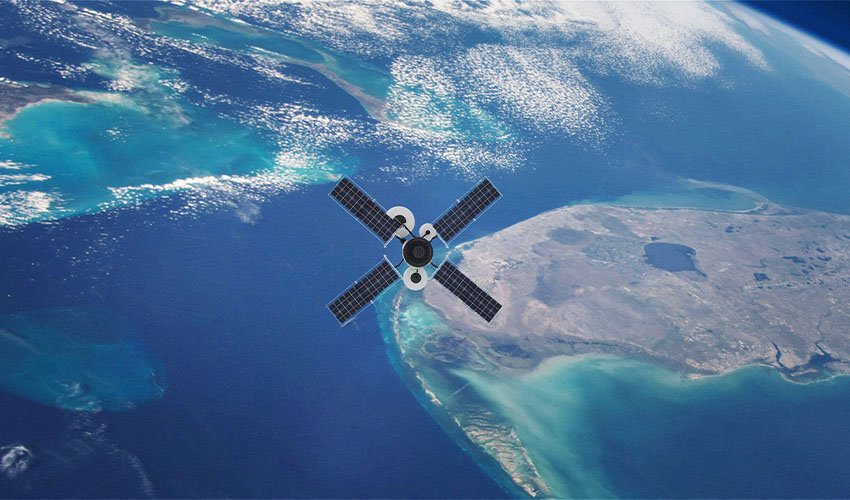 ApplicationsBoeing and Titomic Partner to Expand Use of Titanium in Aerospace IndustryIn the aerospace industry, additive manufacturing is increasing becoming a major technology. Because of its benefits, such as design freedom and reduced building time and costs, 3D printing has attracted many players in the sector. From Fleet Space, which is…
 News3D Printing Quiz of 20172017 was an important year for 3D printing. In 2017, a number of big names entered the 3D printing industry such as HP and GE, and many 3D printing startups received multi-million dollar investment deals. In addition, 2017 was the…
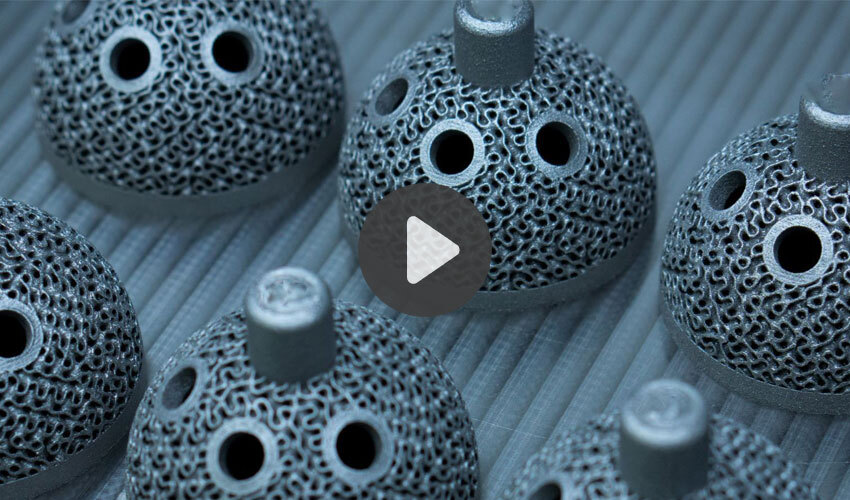 NewsTop 5 Videos: 3D printed orthopaedic implantsThis week we found the top 5 videos about 3D printing and the way additive manufacturing is changing production. The technology has infiltrated many sectors, from medical to automotive – check our selection of the week to keep up with the innovations! If you enjoy these, you&hell
 Materials10 Reasons to Use Pellets in 3D PrintingThe term pellets, in the context of plastics, refers to small granules of various shapes (small cylinders or discs) made of polymer or a polymer blend. These are used as a raw material for the manufacture of finished plastic products…
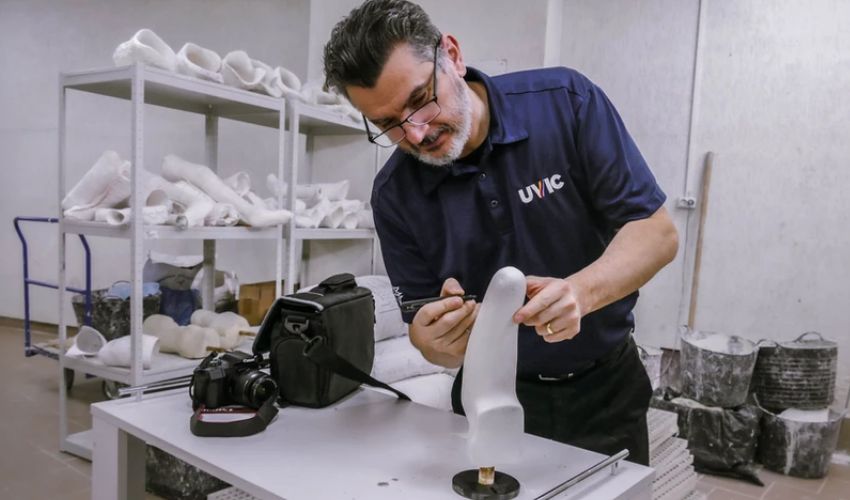 Applications“Hands for Ukraine” Project Creates 3D Printed Prostheses for Ukrainian War AmputeesAdditive manufacturing has often demonstrated its capabilities in the manufacture of prostheses of all kinds, and has played a big part in helping people in need. With the devastating aftermath of the war in Ukraine, where an estimated 10,000 people…