Materials
Fast or Slow? LLNL Studies How Laser Speed Controls Microstructure in High-Entropy Alloys
Imagine being able to tune the properties of metal, making it either resistant to force but brittle, like a ceramic tile, or yielding yet bendable, like a paperclip. Achieving this level of control requires precise manipulation of a material’s internal…
- 3 min read
- Materials
- Six more stories
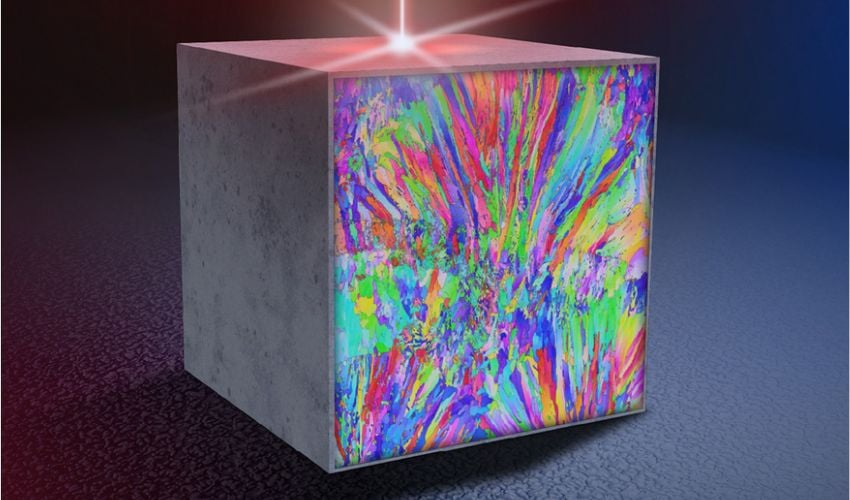
Imagine being able to tune the properties of metal, making it either resistant to force but brittle, like a ceramic tile, or yielding yet bendable, like a paperclip. Achieving this level of control requires precise manipulation of a material’s internal structure as it forms. Scientists have now demonstrated a way to do just that by tailoring high-entropy alloys through additive manufacturing. Researchers from Lawrence Livermore National Laboratory (LLNL) in the United States, along with collaborators, investigated how processing conditions can be used to customize next-generation high-entropy alloys (HEAs).
Specifically, the study aimed to understand how solidification rate influences microstructure evolution and phase transformation pathways in laser additively manufactured HEAs (in this case, AlCrFe₂Ni₂ eutectic HEAs). They controlled the solidification rate by adjusting laser scanning speeds, which affected how the metal cooled and, in turn, its internal structure. The team combined thermodynamic modeling and molecular dynamics to simulate 3D printing these HEAs.
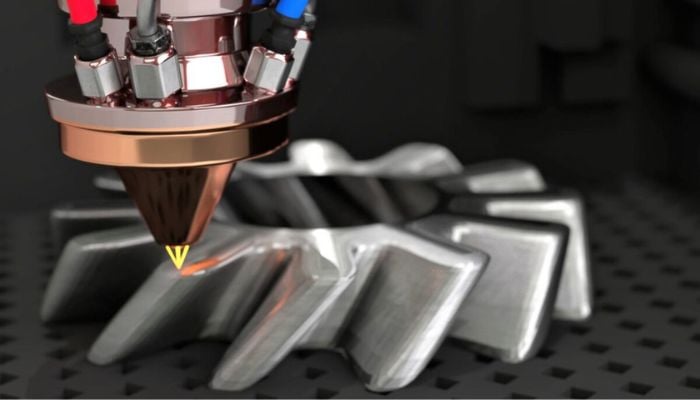
The researchers leveraged rapid cooling during the AM process to dictate how the atoms settle as the metal solidifies. (Photo: Needpix.com)
The research, published in Advanced Materials, demonstrated that when the laser moves slowly, the molten metal cools at a low rate. This gives atoms in the liquid sufficient time to move through diffusion and naturally separate into distinct components, or “phases.” By contrast, when the laser scan speed is increased, the metal cools extremely rapidly. This rapid cooling suppresses diffusion, meaning atoms do not have enough time to move or separate. As a result, the material effectively “freezes” as a single, uniform solid phase, rather than separating into the complex mixture it would typically form.
More from the desk
Six other notes from the rest of the bench.
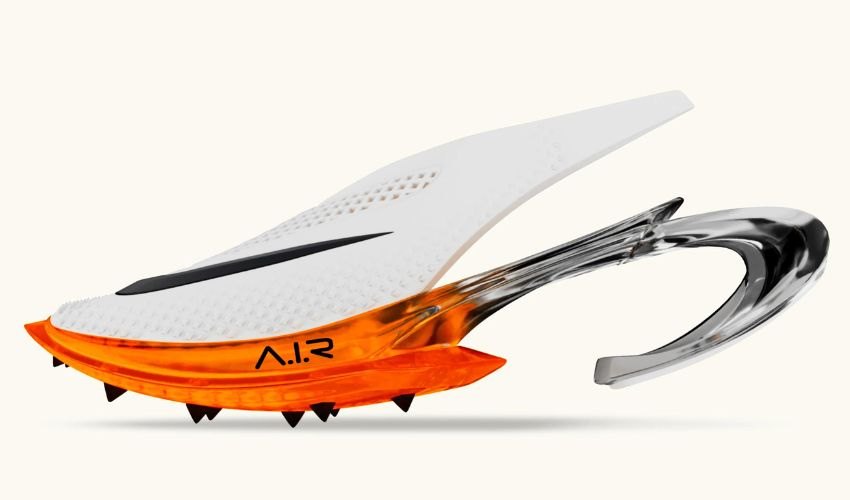 NewsNike A.I.R. Revolutionizes Footwear With AI and 3D PrintingConsider a shoe that reflects the diverse personalities of individuals. Whether you’re a bookworm, a connoisseur of luxury timepieces, or a fan of fantasy movies, what would such a shoe entail? Nike pursued this vision with its Nike A.I.R. project,…
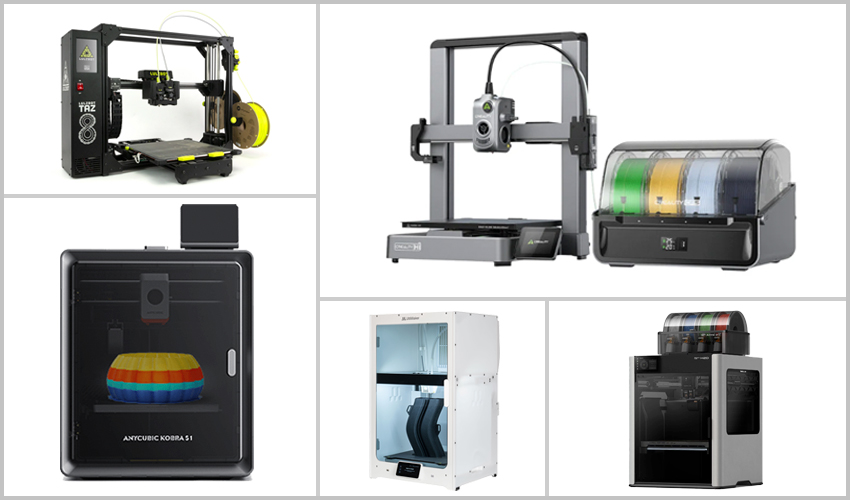 PrintersChoosing a 3D Printer: A Closer Look at 5 Models on the MarketThe number of 3D printers on the market has increased exponentially in recent years, giving anyone access to machines of different brands and price ranges available, making a wide range of printing technologies accessible, including FDM, SLA, SLS, and PBF.…
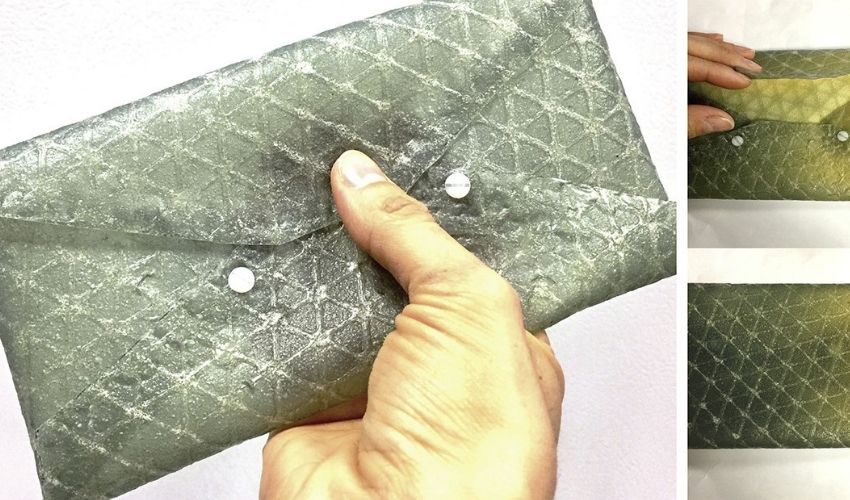 NewsTufts Researchers Develop Leather Alternative Thanks to 3D PrintingThe use of 3D printing offers different advantages for different industries. The ability to produce complex geometries with a variety of materials using 3D printing is highly relevant for artists and designers, among others. It often seems as if creativity…
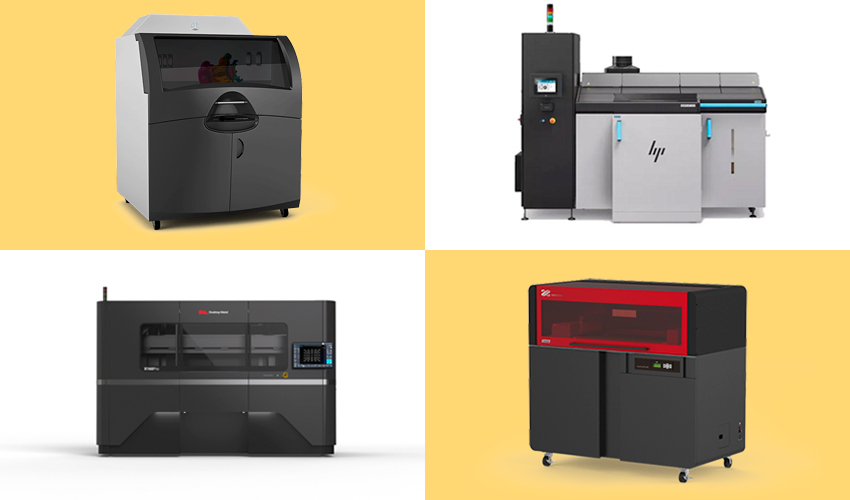 PrintersThe Top Binder Jetting SolutionsBinder jetting is one of the major additive manufacturing processes available on the market. In the process, a thin layer of powder is coated with a liquid binder (jetted via inkjet technology) to create the part layer by layer. Depending…
 NewsCellX Raises $4.3 Million in Funding to Expand 3D-Printed Pork BusinessWith China currently consuming 30% of the world’s meat, it’s no wonder a food tech company tackling global meat supply and sustainability has emerged from the region. After debuting its 3D printed cell-based pork meat at a tasting event for…
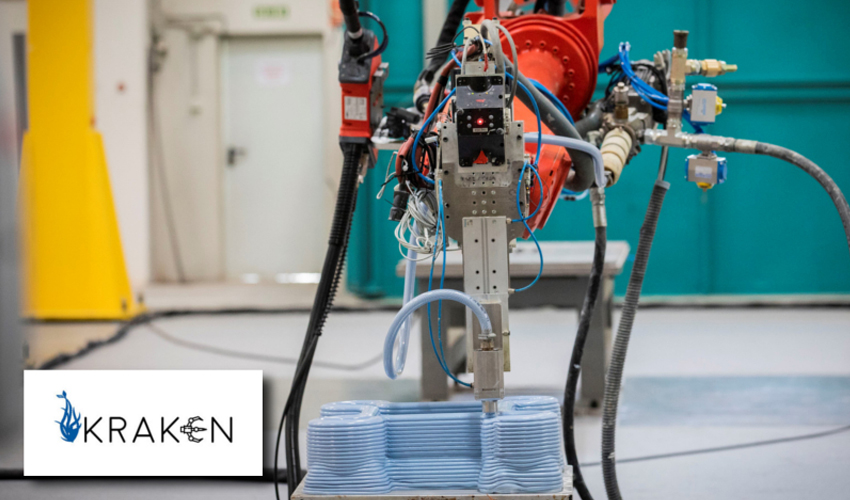 PrintersKRAKEN, an all-in-one manufacturing machine to disrupt productionA few months ago we followed the development of the KRAKEN project, a system that combines both 3D printing technologies, robotics, and subtractive technologies. Thanks to its robotic arm, the system is able to 3D print surfaces of 20 square…