Printers
KRAKEN, an all-in-one manufacturing machine to disrupt production
A few months ago we followed the development of the KRAKEN project, a system that combines both 3D printing technologies, robotics, and subtractive technologies. Thanks to its robotic arm, the system is able to 3D print surfaces of 20 square…
- 3 min read
- Printers
- Six more stories
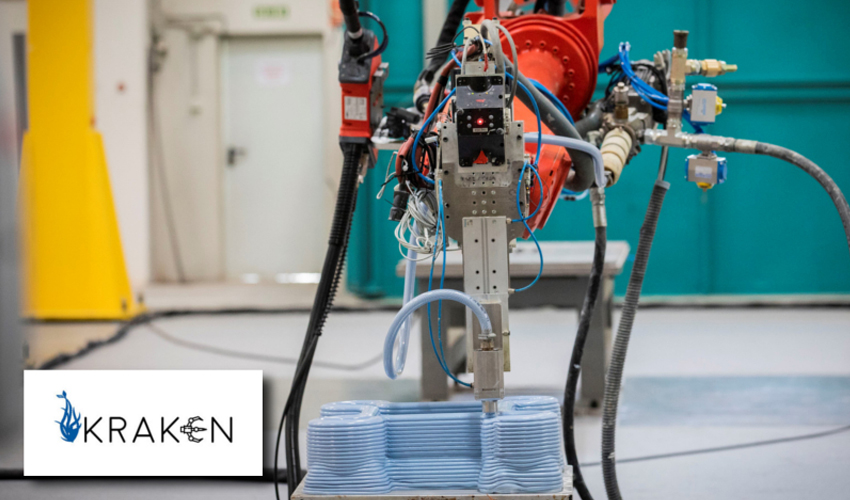
A few months ago we followed the development of the KRAKEN project, a system that combines both 3D printing technologies, robotics, and subtractive technologies. Thanks to its robotic arm, the system is able to 3D print surfaces of 20 square meters. Additionally, the variety of manufacturing materials KRAKEN can process make it 40% faster, 25% more productive and 30% cheaper according to the team behind the project. In order to learn more about the system, we interviewed José Antonio Dieste, researcher and coordinator behind the KRAKEN project, working for the AITIIP technology centre.
3DN: Could you introduce yourself and tell us about your relationship with 3D printing?
I’m José Antonio Dieste, head of robotics and mechatronics at AITIIP. At AITIIP we have been using 3D printing technologies since 2000, when we incorporated our first machine (an SLS machine), which is still in operation. At that time the term additive manufacturing or 3D printing did not yet exist and we called it rapid prototyping. That machine and technology was too advanced for its time. We were trying to exploit it as a technology service for companies, and although it was very visual for all our customers, they still didn’t see a direct application to their business. It was the big companies, especially in the automotive sector, who started hiring us to make aesthetic prototypes for their developments.
José Antonio Dieste
However, internally our engineering team made massive use of the machine as an internal resource, to validate new developments, new designs, and reduce the need for iterations in development, which made us more competitive by reducing project development times. Today, we have a large diversity of materials, technologies, in addition to all our lines of research, both in materials and in advanced processes and circular economy, which is anchored in 3D printing.
More from the desk
Six other notes from the rest of the bench.
 NewsAnother 3D Printed Shoe Prototype Hits the Paris RunwayParis Fashion Week men’s haute couture collection (A/W 2023) took place this last week, seeing eclectic designs from Dior, Comme des Garçons, and Kenzo, as well as smaller unorthodox firms. Thursday 19th saw a piece from Danish outerwear brand Rains,…
 ApplicationsNew Frontier Aerospace Successfully Tests Its 3D Printed Mjölnir Rocket EngineMjölnir refers to the hammer of the thunder god, Thor, in Norse mythology. The hammer is used as both a devastating weapon and as an instrument to deliver blessings. The Washington-based startup New Frontier Aerospace (NFA) gave its 3D printed…
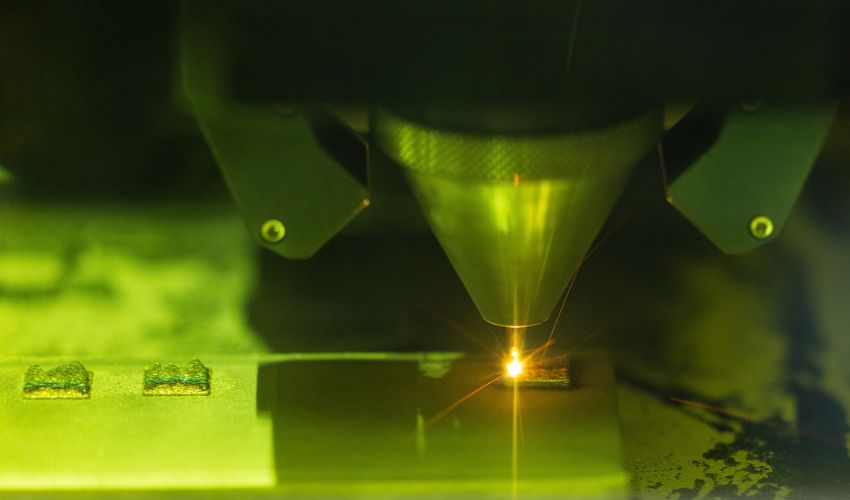 MaterialsCan 3D Printed Tungsten Withstand Extreme Conditions in Nuclear Reactors?In a nuclear fusion reactor, temperatures exceed 150 million degrees Celsius—more than ten times hotter than the core of the Sun. Tungsten, a rare metal, can endure such extreme temperatures, making it promising for use in nuclear reactors. However, the…
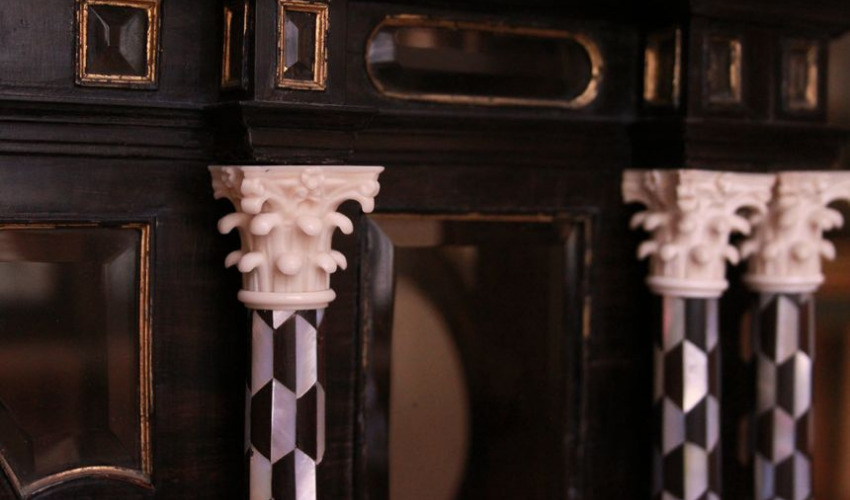 MaterialsDigory: A 3D Printed Alternative to IvoryFor a long time, ivory was considered a valuable material due to its rarity and was used, among other things, for various art pieces. The material is obtained from the tusks and canines of various species, prominently Asian elephants. In…
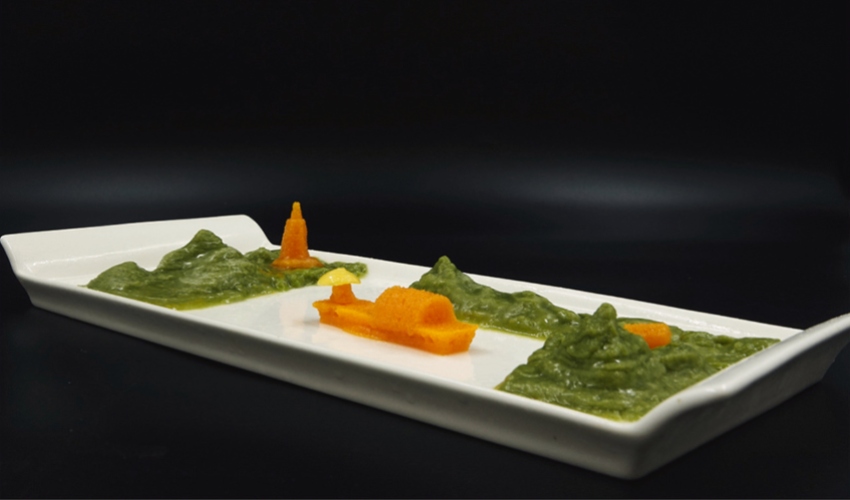 NewsResearchers Develop More Nutritional and Appetising Method of 3D Printing VegetablesSingaporean researchers have developed a novel method of 3D printing vegetables using food hydrocolloids. Previous three-dimensional food printing (3DFP) methods have largely relied on freeze-dried vegetable powders. This method, however, is centred around the use of fresh and fr
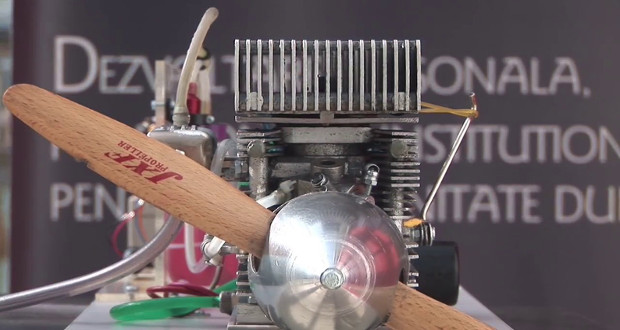 ApplicationsRomanian Engineer 3D prints first ever airplane engine prototypeThe aerospace industry has been making gains left and right thanks to additive manufacturing technology. Between investments made by large corporations that are helping to create 3D printed parts for the interior of planes, to the creation of a giant 3D…