News
Tufts Researchers Develop Leather Alternative Thanks to 3D Printing
The use of 3D printing offers different advantages for different industries. The ability to produce complex geometries with a variety of materials using 3D printing is highly relevant for artists and designers, among others. It often seems as if creativity…
- 3 min read
- News
- Six more stories
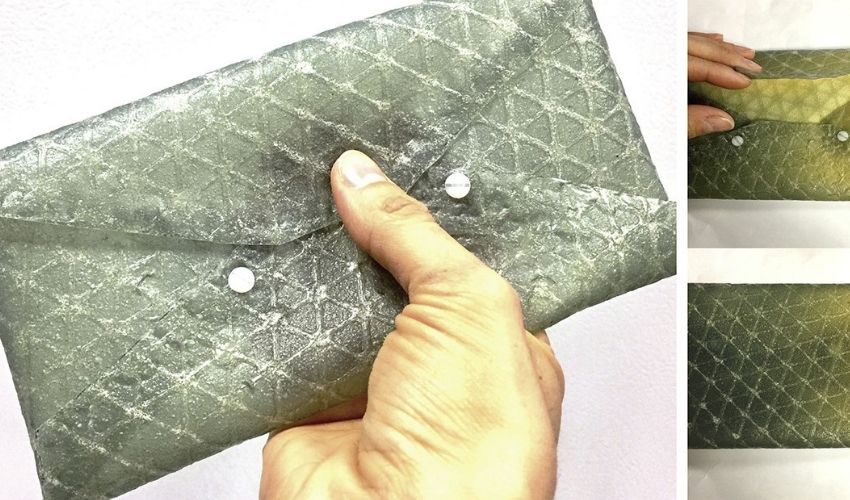
The use of 3D printing offers different advantages for different industries. The ability to produce complex geometries with a variety of materials using 3D printing is highly relevant for artists and designers, among others. It often seems as if creativity is no longer limited by the technology. Additive manufacturing processes also seem to be gaining in importance in the fashion industry. Because there is an increasing desire to set an example for ethical production methods and climate protection, interest in material alternatives and environmentally friendly manufacturing processes is on the rise. For example, 3D printing is ideally suited for reconstructing natural patterns or shapes, which can be derived into bionics. Researchers at Tufts University, for example, are using 3D printing to create animal-free products from a leather alternative that is intended to resemble real leather not only visually but also mechanically. The team has already made a wallet from the material.
Could tanning soon be a thing of the past?
The way leather is produced is not only a headache for animal rights activists. Above all, it is the harmful effects on the environment and the sometimes catastrophic working conditions that are causing both consumers and fashion labels to look for alternatives. Tanning, the process that makes animal skin durable, uses chemicals that are not only harmful to humans, but also to flora and fauna. Among the most important export countries of leather goods are China, India and Bangladesh. Countries in which there are no legal regulations regarding the use of highly toxic chemicals such as chromium salts and also no environmental regulations regarding the resulting pollution of wastewater. The scientists at the Tufts Silklab therefore want to develop a so-called silk fibroin that can be produced in an environmentally friendly way.
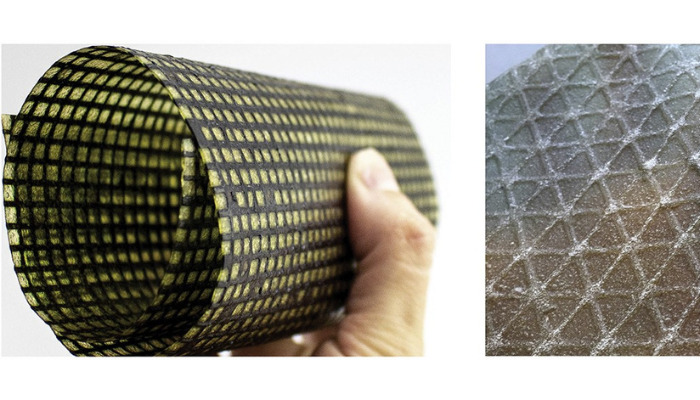
Silk cocoons of the silkworm Bombyx mori (Japan) were used to produce the leather alternative. (Photo Credits: Tufts University)
Although there are already some vegan leather alternatives on the market, such as pineapple leather, cork or artificial leather, which hardly differ visually from real leather, it quickly becomes clear that it is difficult to imitate the durability and flexibility that distinguish real leather. The research team at Tufts University wants to retain those same mechanical properties of leather in a leather-like material made from silk. The team has found a way to prepare the natural material in a way that makes it more durable and tear-resistant. According to Fiorenzo Omenetto, one of the study’s co-authors, a Doble Professor of Engineering at Tufts School of Engineering and director of the Tufts Silklab , “Our work is centered on the use of naturally-derived materials that minimize the use of toxic chemicals while maintaining material performance so as to provide alternatives for products that are commonly and widely used today. By using silk, as well as cellulose from textile and agricultural waste and chitosan from shell-fish waste, and all the relatively gentle chemistries used to combine them, we are making progress towards this goal.”
More from the desk
Six other notes from the rest of the bench.
 ApplicationsWhat is the Takeaway From ADDITIV Medical World?As you probably know, the first ever edition of ADDITIV Medical World took place on June 6th, 2023. The half-day event was an opportunity to bring together the worlds of 3D printing and healthcare and discuss and learn with leading…
 NewsTop 5 Videos: 3D printing for e-bikes and moreThis week we found the top 5 videos about 3D printing and the way additive manufacturing is changing production. The technology has infiltrated many sectors, from medical to automotive – check our selection of the week to keep up with the innovations! If you enjoy these, you&hell
 NewsEssentium Survey shows that investments in AM are paying offIn early February, Essentium, Inc announced the results of the second in a series of findings from independent global research on the current and future use of industrial 3D printing. We previously covered the first survey published in 2019, which…
 NewsWhat to Expect at IMTS 2022This week, people from around the world are flocking to Chicago for the 33rd edition of the International Manufacturing Technology Show (IMTS), the largest and longest-running industry trade show in the Western Hemisphere. IMTS 2022 is already underway, taking place…
 PrintersThe New Omni PRO and PRO HT 3D Printers Are Ready to Innovate Industrial ApplicationsIt goes without saying that the additive manufacturing sector as a whole is turning toward greater industrialization and has done so for the past few years. A sharp contrast to the technologies’ origins in the 80s, 3D printing is being…
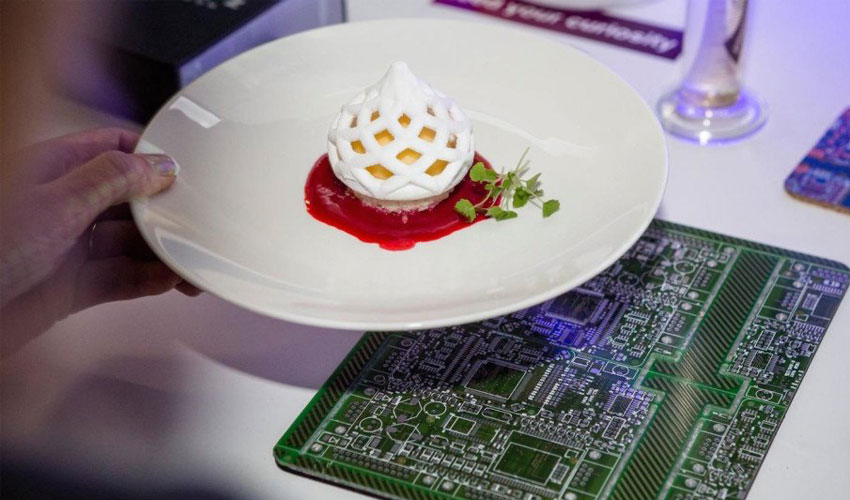 NewsByflow opens first restaurant with a menu of 3D printed dishes to delight your tastebudsAbout two years ago, byflow unveiled their first food 3D printer. Shortly after, they opened a pop-up style restaurant in London, whose specialty included none other than 3D printed food. This restaurant was a big leap for the food industry and…