Applications
A LEGO 3D Bioprinter Could Make Biomedical Research More Accesible
Researchers at Cardiff University have made a LEGO 3D bioprinter that is capable of printing human tissue such as skin according to a study in Advanced Materials Technologies. The team has made their model open source and hope to have…
- 3 min read
- Applications
- Six more stories
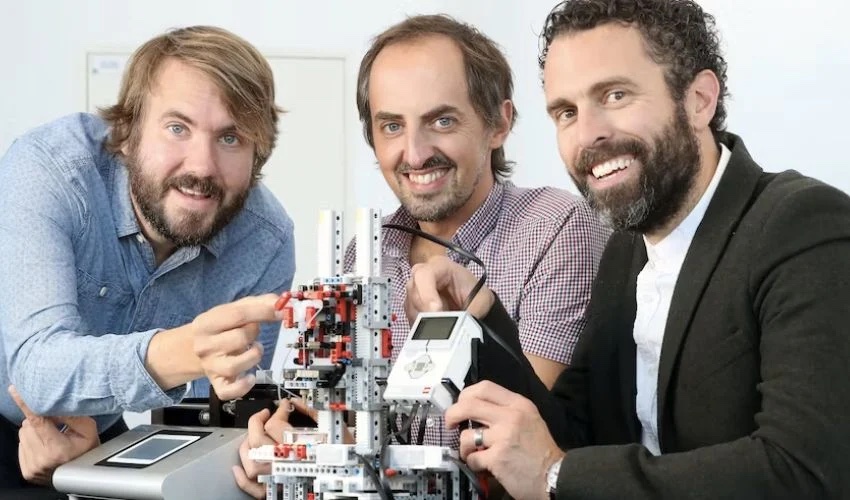
Researchers at Cardiff University have made a LEGO 3D bioprinter that is capable of printing human tissue such as skin according to a study in Advanced Materials Technologies. The team has made their model open source and hope to have it adopted by biomedical researchers around the world and thus help advance research despite often limited financial resources. More specifically, they have outlined the exact methodology, a sharp contrast to most research which puts a premium on protecting intellectual property, to enable anyone to make this printer.
Bioprinting is not new, but the price of printers capable of producing human cells is a notable deterrent, often amounting to several hundred thousand euros, especially for research teams that do not have a large budget. Yet researchers need human tissue samples to study diseases and develop treatments. To counter this problem, a team of researchers in pharmacy and pharmaceutical sciences at Cardiff University has built a 3D bioprinter made entirely out of LEGO.
This is the first time that a machine built with LEGO has been able to print human tissue. LEGO bricks were chosen because they have the advantage of being accurate, versatile and inexpensive. Once completed, the researchers put their bioprinter to the test by printing human skin cells, specifically hydrogel droplets (a gel typically made of polymers in which the blowing agent is water) containing viable human skin cells. The bio-ink droplets are generated microfluidically and contain living keratinocyte-like skin cells. These structures lay the foundation for a three-dimensional artificial skin model.
More from the desk
Six other notes from the rest of the bench.
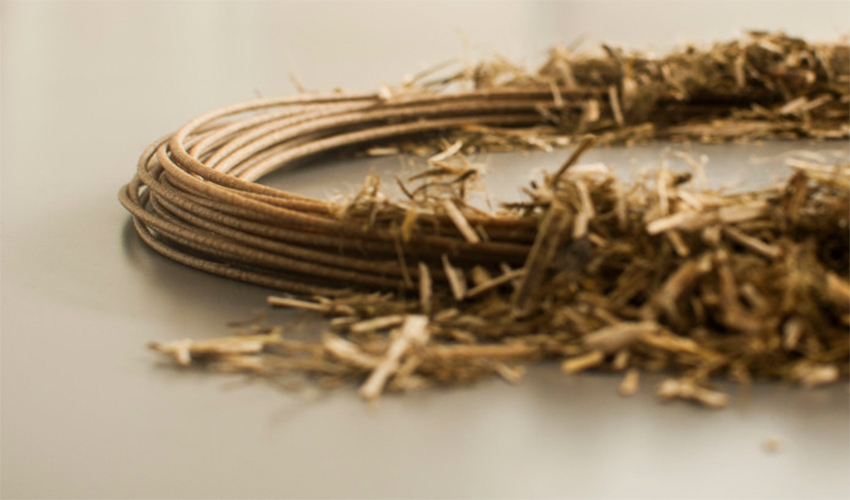 MaterialsHemp 3D printer filament: A sustainable alternativeCannabis has over recent time been a growing topic of debate. As it is discussed in various ways for its medical uses, environmental benefits and sustainable abilities, it is only natural that Hemp 3D printer filament would also come up…
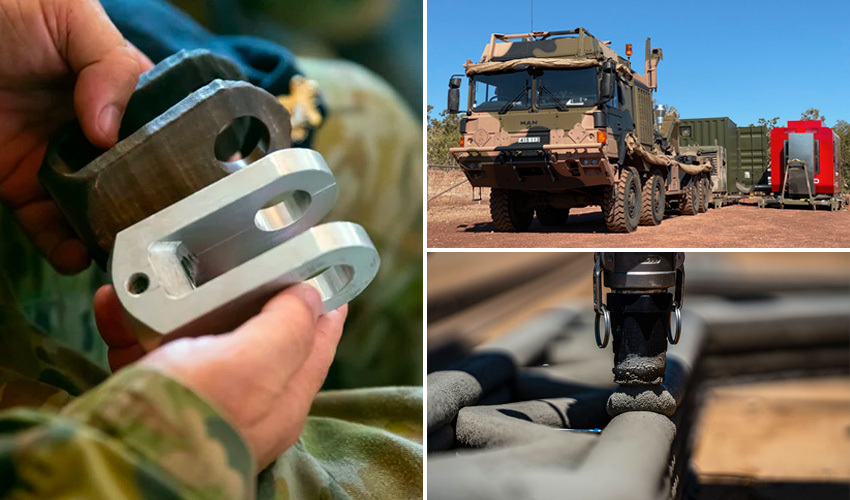 GuidesThe Use of Additive Manufacturing in the Defense SectorAdditive manufacturing is widely used in many sectors including maritime, aerospace, and automotive. It should come as no surprise then, that it is also being increasingly adopted by the defense sector worldwide. In fact, the military 3D printing sector is…
 ApplicationsHarvard Researchers Develop Microbial Ink to 3D Print Living MaterialsWhat if you were told that 3D printing is getting closer and closer to revolutionizing science? A team of researchers at Harvard University and Brigham and Women’s Hospital is rising to the challenge. Recently, they developed a microbial ink or…
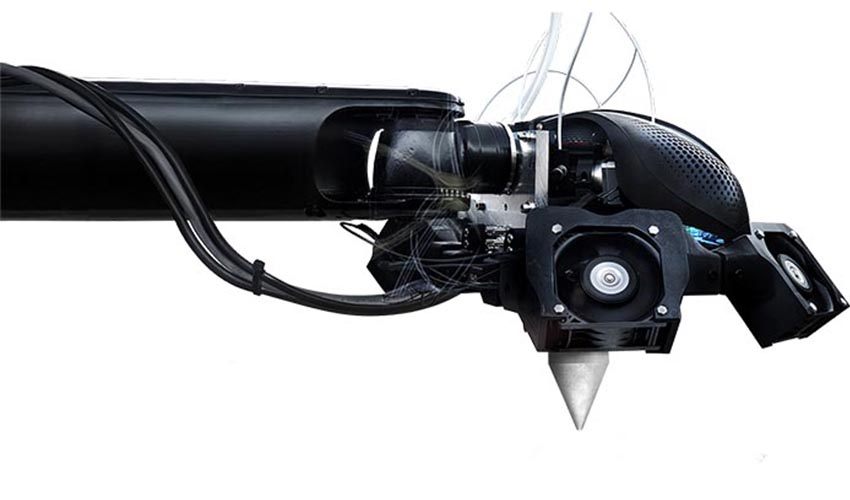 NewsAi Build implements AI to detect and correct 3D printing errors in real timeWe reported only yesterday on Inkbit’s new 3D printer – it is powered by machine vision and learning systems to correct printing errors in real time and to predict the warping behaviour of materials. Similarly, the London-based startup, Ai Build,…
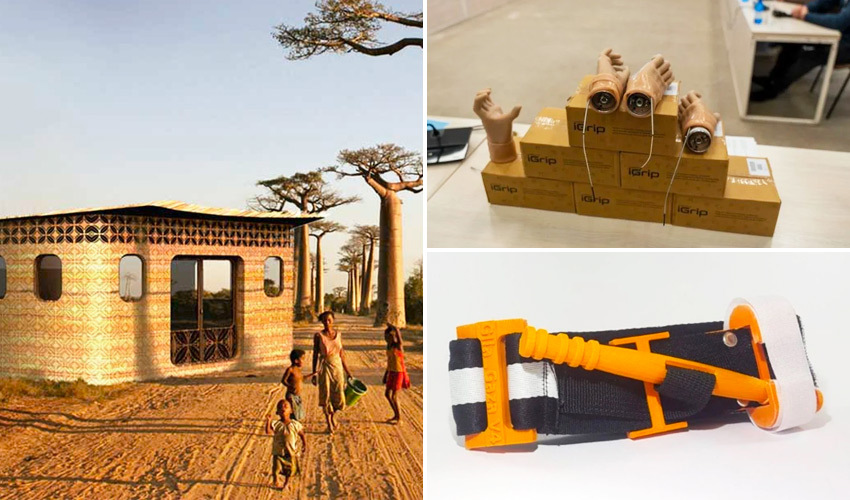 GuidesExciting Projects Using 3D Printing for Humanitarian AidHumanitarian aid is defined by the European Commission as “delivering life-saving assistance to those in need, without any adverse distinction.” This help is done outside the boundaries of politics, religion and the military in order to help those who are…
 NewsWhat Is the Current State of 3D Printing in Australia?When people think of Australia, many things come to mind: the Outback, unique wildlife, stunning landscapes, and surfing, among others. Additive manufacturing can now be added to that list. The 3D printing sector has rapidly grown in Australia over the…