News
Ai Build implements AI to detect and correct 3D printing errors in real time
We reported only yesterday on Inkbit’s new 3D printer – it is powered by machine vision and learning systems to correct printing errors in real time and to predict the warping behaviour of materials. Similarly, the London-based startup, Ai Build,…
- 3 min read
- News
- Six more stories
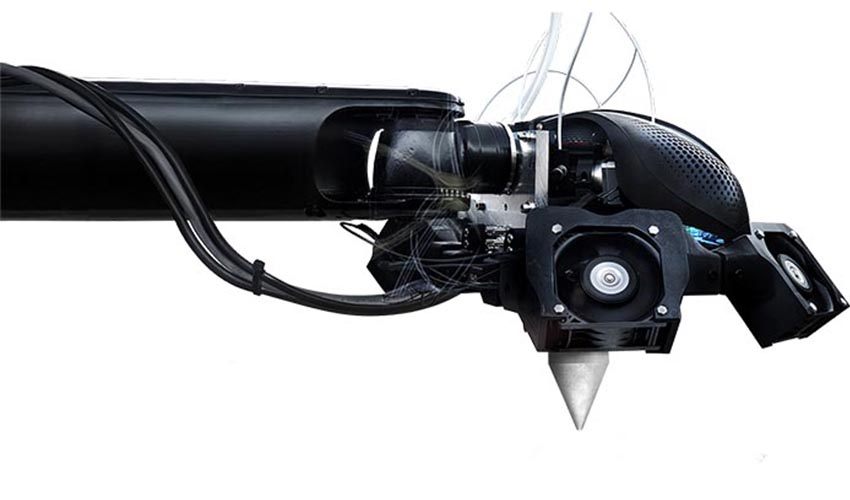
We reported only yesterday on Inkbit’s new 3D printer – it is powered by machine vision and learning systems to correct printing errors in real time and to predict the warping behaviour of materials. Similarly, the London-based startup, Ai Build, just unveiled its new real-time inspection technology for additive manufacturing using computer vision and machine learning.
An obstacle to large-scale 3D printing are production defects, therefore Ai Build’s technology will prove beneficial as it will automatically detect the most common printing issues, such as material shrinkage and warping in real time. As we know, additive manufacturing technologies were mostly used for rapid prototyping or low-volume production until recently. However, this is changing as predicted by multiple reports on the state of AM in the last few months. We are now entering an age where large-scale 3D printing could become the norm for certain industries or products – new technologies are therefore necessary and artificial intelligence is likely to play an important role.
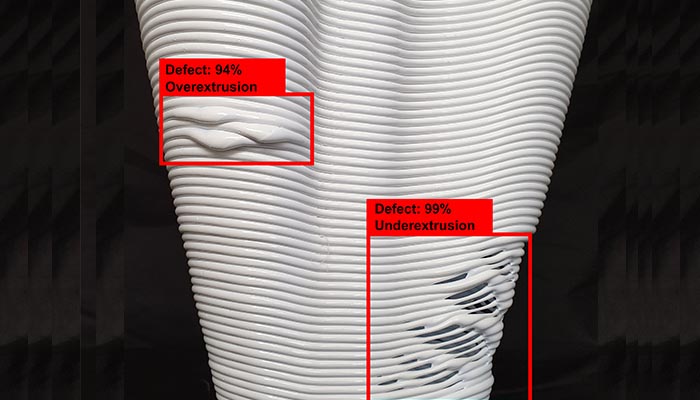
Example of production defects such as overextrusion or underextrusion | Photo Credits: AiBuild
Ai Build is the startup working towards providing a completely autonomous large-scale 3D printing technology to produce their designs at their own facilities. They also help other businesses to set up their manufacturing environment, give initial training and provide technical support. So, what are the benefits of this new technology? As mentioned above it is a real-time detection of 3D printing defects with artificial intelligence technology. It should increase productivity and level automation in additive manufacturing facilities and at the same time reduce production costs and material waste. Their AiMaker, the high-precision robotic end-effector that attaches to industrial robotic arms is now embedded with a camera and GPU module that detects manufacturing defects by comparing its real-time camera view to previously recorded images of 3D printed parts.
More from the desk
Six other notes from the rest of the bench.
 MaterialsCalifornian Start-Up Unveils First Ever Sustainable Filament Made From WineOver the years we have certainly seen some odd alternative 3D printer filaments. There have been filaments made from coffee grounds, hemp and even food waste. These filaments have often been made for a noble cause, namely to address sustainability…
 GuidesREGEMAT 3D, leader in medical additive manufacturing for nearly 10 yearsREGEMAT 3D is a company based in Granada, Spain, specialised in medical additive manufacturing for nearly 10 years. It is undoubtedly one of the pioneering companies in the field of bioprinting in Spain, promoting research and the use of these…
 News#3DStartup: Inkbit, 3D printer powered by machine-vision and AIA startup straight out of MIT, Inkbit, is working towards overcoming traditional constraints to 3D printing by giving its machines ‘eyes’ and a ‘brain’. The industrial 3D printer developed by Inkbit is a multi-material machine capable of printing extremely flexible…
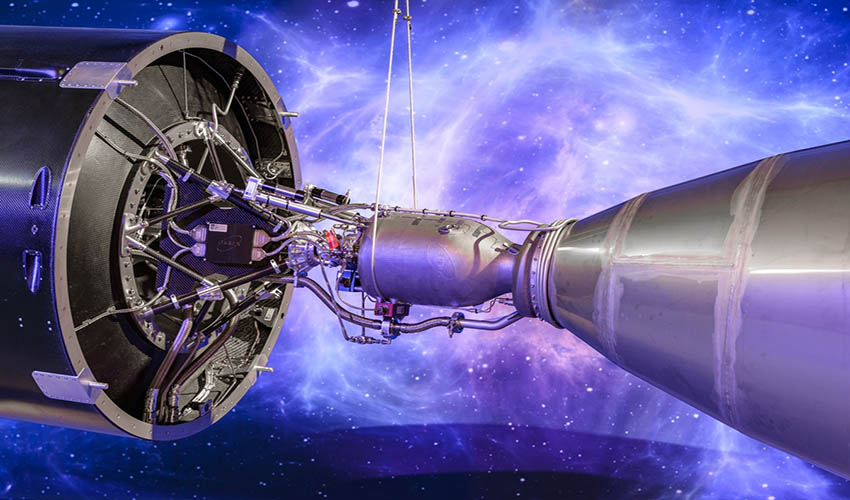 NewsOrbex unveiled largest 3D printed rocket engine in the worldThe British aerospace company Orbex regularly launches small, micro and nano satellites into accurate low Earth orbits. Until now, the company had not drawn much attention to its additive manufacturing activities or developments. However, they recently revealed that they have&hel
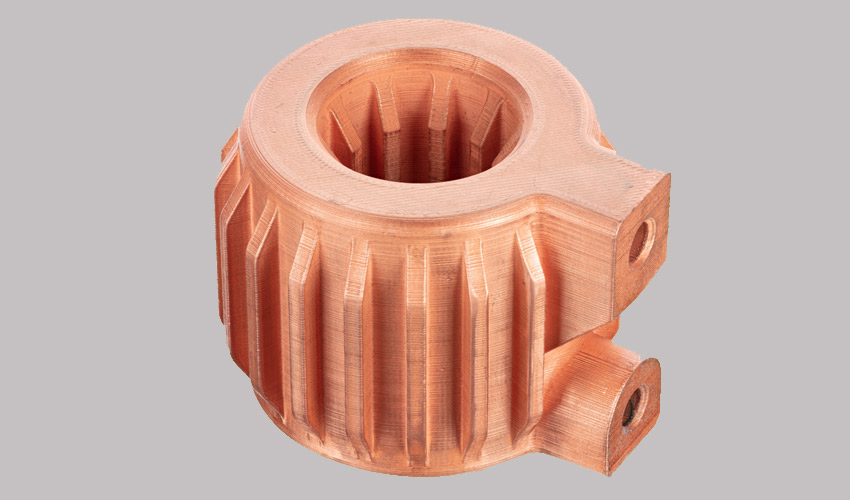 MaterialsDesktop Metal adds pure copper to its range of materialsWhile going public a few weeks ago, US manufacturer Desktop Metal announced the addition of pure copper to its range of materials compatible with its Studio System solution. Known for its excellent thermal and electrical conductivity, copper could enable the…
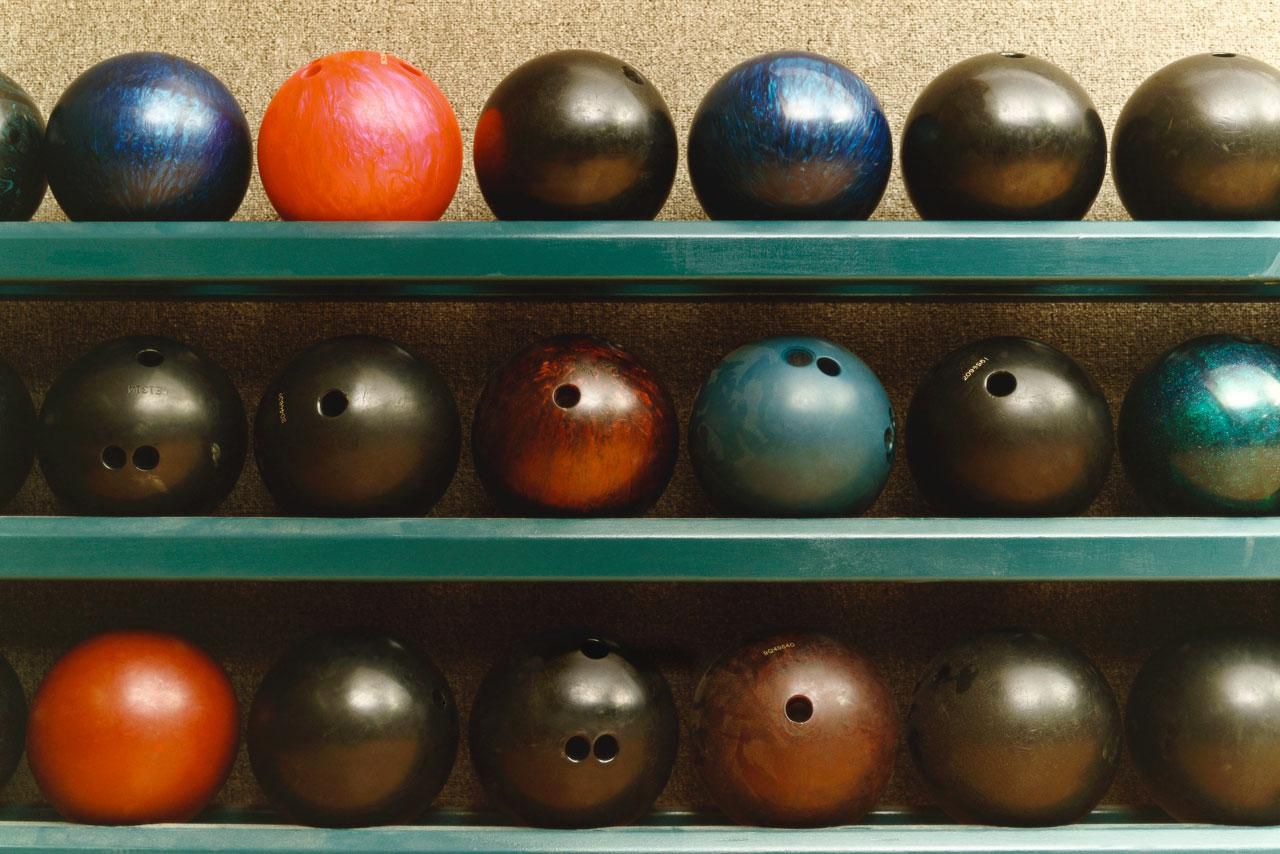 MaterialsGet bowled over by these 3D-printed bowling ballsStart-up Freshmade 3D from Ohio have recently announced that they have created a material strong enough to create 3D-printed bowling balls from. The material, called AMClad, is an “isotropic Engineered Sand Composite (ESC)”, that they say is “ideal for 3D&hellip