Guides
The Use of Additive Manufacturing in the Defense Sector
Additive manufacturing is widely used in many sectors including maritime, aerospace, and automotive. It should come as no surprise then, that it is also being increasingly adopted by the defense sector worldwide. In fact, the military 3D printing sector is…
- 3 min read
- Guides
- Six more stories
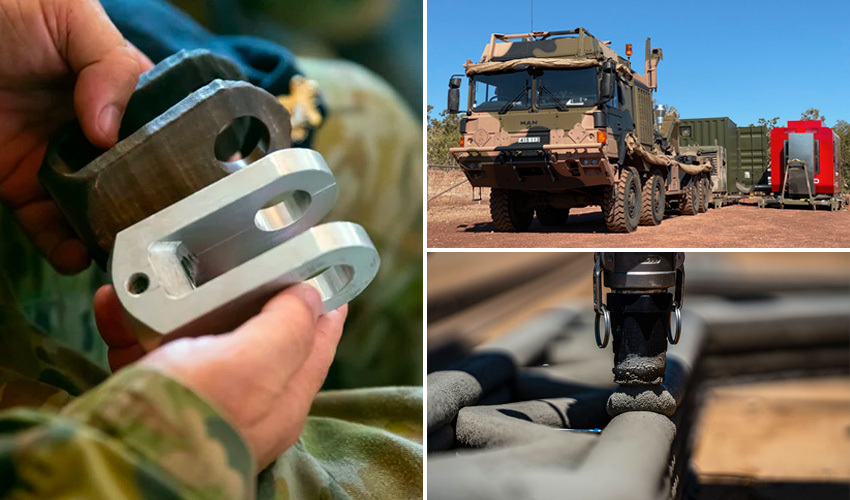
Additive manufacturing is widely used in many sectors including maritime, aerospace, and automotive. It should come as no surprise then, that it is also being increasingly adopted by the defense sector worldwide. In fact, the military 3D printing sector is expected to be worth $1.7 billion by 2027, showing the importance the technologies have. Considering that in the military speed, lighter weights, and lower costs are all paramount, additive manufacturing certainly has a role to play. We took a closer look at some of the most interesting applications for additive manufacturing in the defense sector, listed below in no particular order.
The Largest Metal 3D Printer Was Commissioned by the US Military
The U.S. military is so convinced of the benefits of additive manufacturing that last year, they announced that they would even be building the world’s largest metal 3D printer. The U.S. DEVCOM Army Ground Vehicle Systems Center is working to build the printer with the help of ASTRO America, Ingersoll Machine Tool, Siemens, and MELD Manufacturing at Rock Island Arsenal – Joint Manufacturing and Technology Center. The printer will be part of the Jointless Hull Project with the end mission being to print monolithic (one-piece) hulls for combat vehicles. When it was announced, it was estimated that the project would take around 14 months and the end printer would be capable of printing metal parts that are 30 feet long, 20 feet wide, and 12 feet high. Though we have had no recent news on it, it is likely that the project will be finished in the near future.
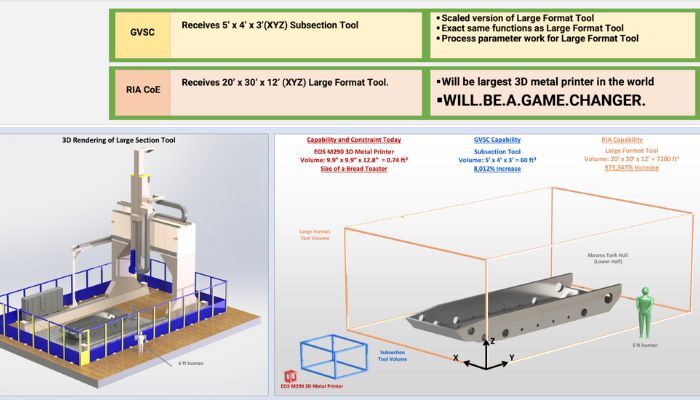
The development project of the largest metal 3D printer
A 3D Printed Runway for the US Air Force
Another application in the military and defense sector comes from ITAMCO (Indiana Technology and Manufacturing Companies), which has developed a runway for military expeditionary airfields using additive manufacturing. These runway mats are an essential component of Expeditionary Airfields (EAF). Their function is to be implemented on weaker ground surfaces to allow military aircraft to land and take off. Before that, a portable runway made of aluminum planks was used, but as it became outdated, the army needed to find an innovative solution. The M290 3D printer from the German company EOS was used to create a much lighter and more durable model for the U.S. Air Force’s military equipment.
More from the desk
Six other notes from the rest of the bench.
 GuidesVIP TIE and its 3D printed luxury tiesThe search for personalisation is a key issue in the fashion industry and 3D printing could well answer it more effectively. There are many examples, from Iris van Herpen’s collection to Julia Daviy’s skirt: 3D technologies offer a unique look…
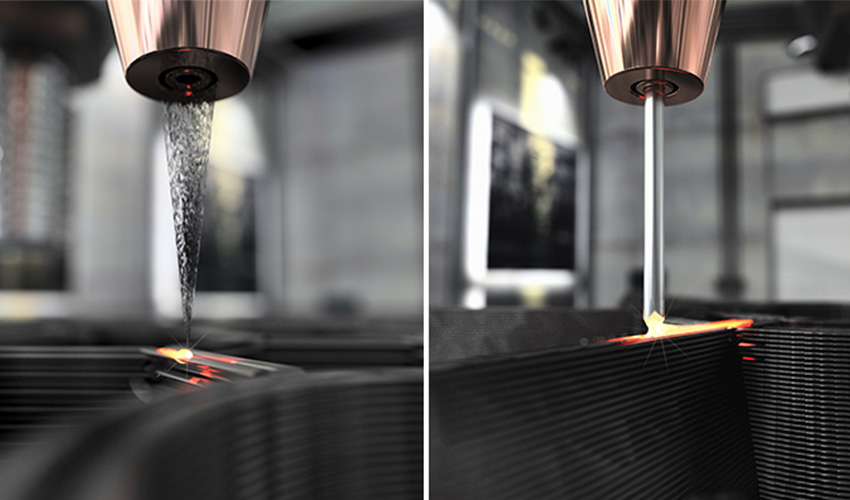 Printers3E Metal Deposition: Meltio’s new metal technology comes to FormnextA few weeks ago we introduced you to Meltio, the new actor in metal additive fabrication, who will showcase its new 3E Metal Deposition technology and M450 3D printer during the new edition of Formnext. The difference between Meltio’s 3D…
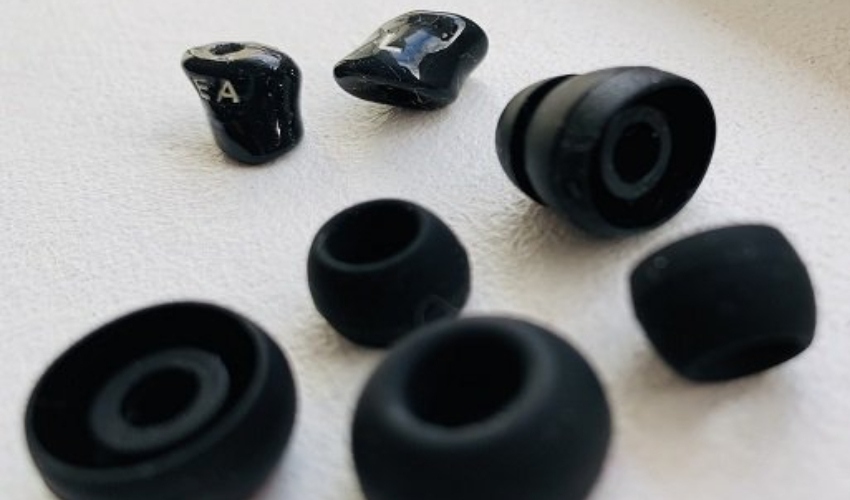 NewsCustom-Fit Affordable Earphones to be 3D Printed on the Form3BSennheiser’s AMBEO division have partnered with Formlabs to develop affordable earphones, that customers can personalize according to their own ear shape. These custom fit earphones, currently still in the prototype stage of development, will offer an immersive sound experience.
 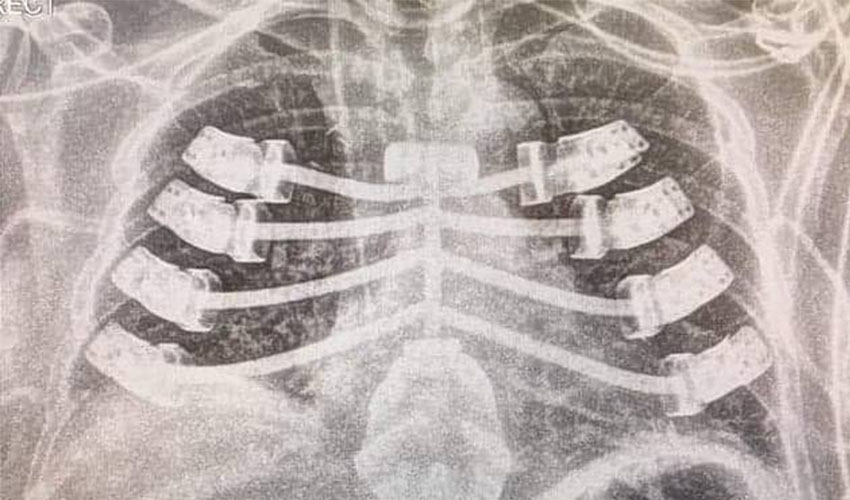 ApplicationsPatient receives a 3D printed rib cage implantIn the medical sector, 3D printing has made some important advances in the last few months. Every step at this stage is important as it says a lot about the progress of the technology. Additive manufacturing enables personalisation of each…
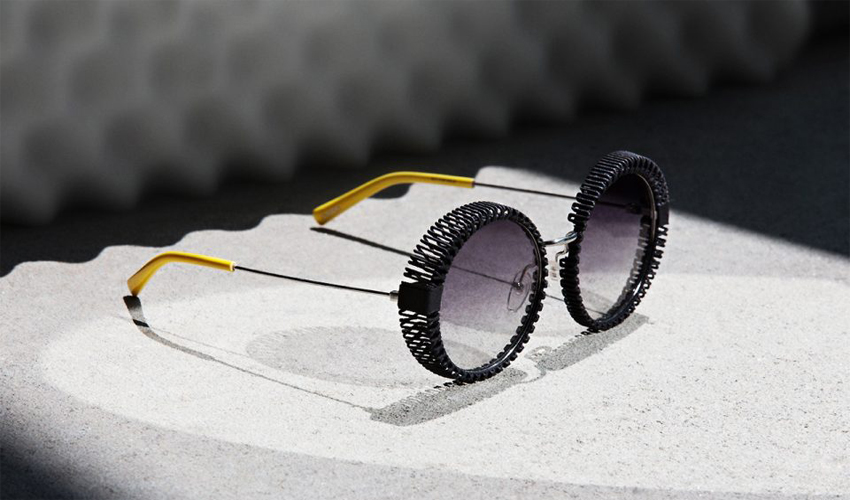 NewsOXYDO: A modern take on sunglassesOXYDO, an Italian sunglass brand, launched their latest collection a few days ago that uses the power of 3D printing to bring their designs to life. This new brand belongs to Safilo group, which was able to create their collection…
 Applications3D Printed Scaffolds Offer New Treatment for Spinal Cord InjuriesIn the United States, approximately 300,000 people are living with spinal cord injuries. These injuries can stem from trauma or previous medical conditions, and each year, there are about 18,000 new cases. Spinal cord injuries mostly affect men, and to…