Materials
Can 3D Printed Tungsten Withstand Extreme Conditions in Nuclear Reactors?
In a nuclear fusion reactor, temperatures exceed 150 million degrees Celsius—more than ten times hotter than the core of the Sun. Tungsten, a rare metal, can endure such extreme temperatures, making it promising for use in nuclear reactors. However, the…
- 3 min read
- Materials
- Six more stories
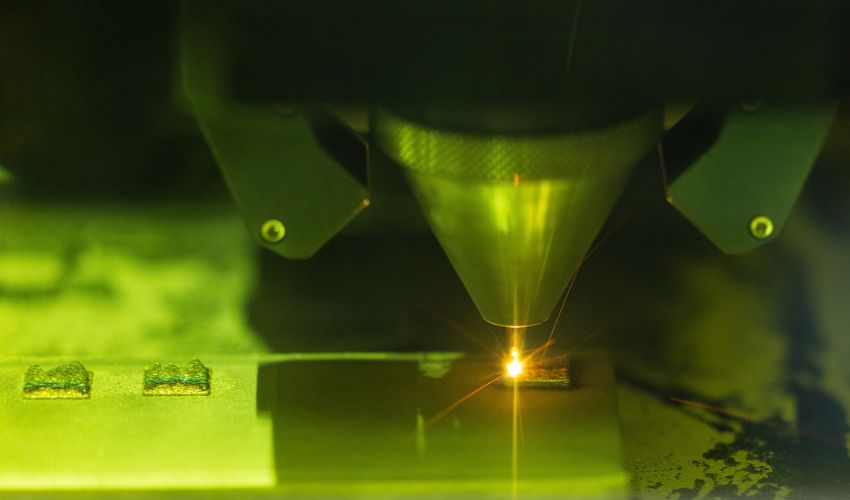
In a nuclear fusion reactor, temperatures exceed 150 million degrees Celsius—more than ten times hotter than the core of the Sun. Tungsten, a rare metal, can endure such extreme temperatures, making it promising for use in nuclear reactors. However, the metal is expensive, hard, and brittle. To advance work with the tricky metal, the U.S. Department of Energy awarded a $1 million grant to researchers at Iowa State University to study the possibility of 3D printing tungsten parts for nuclear reactors. As we know, tungsten is a critical material for metal 3D printing, so the Iowa State research team should be one to watch.
The grant is part of a $36 million effort by the Energy Department’s Established Program to Stimulate Competitive Research (EPSCoR), designed to promote energy-related research across the country. According to the US Energy Information Administration, 19 percent of electricity in the US is produced from nuclear power, but researcher Sougata Roy who received this grant sees huge potential for nuclear energy in the future. “One of the major things that excites me about this project is working with nuclear energy,” Roy said. “It’s the largest source of clean power in the United States. This emission-free electricity is important for the future.”
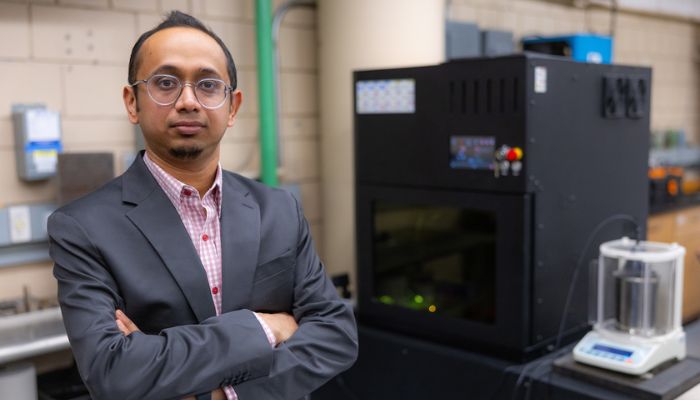
Sougata Roy, leader of the DREAM-TEAM
Roy is an Iowa State University assistant professor of mechanical engineering, and he will use additive manufacturing to make nuclear reactor shields and components with the grant funding. The professor calls his endeavor the DREAM-TEAM project: “Developing a Robust Ecosystem for Additive Manufacturing of Tungsten for Extreme Applications and Management.”
More from the desk
Six other notes from the rest of the bench.
 NewsMIT Researchers Integrate AI for Improved 3D PrintingEvery day, additive manufacturing is evolving. Unsurprisingly, this also means that it is becoming more and more complicated to master all its applications and technologies. Even for experienced workers within additive manufacturing, this can sometimes lead to difficulties, espec
 ApplicationsHistory Made as ESA Achieves First-Ever Metal 3D Printing on ISSLast week, the International Space Station (ISS) witnessed a significant milestone as the European Space Agency etched its name in history by accomplishing the first-ever metal 3D printing in space. This achievement, spearheaded by a consortium led by Airbus, signifies…
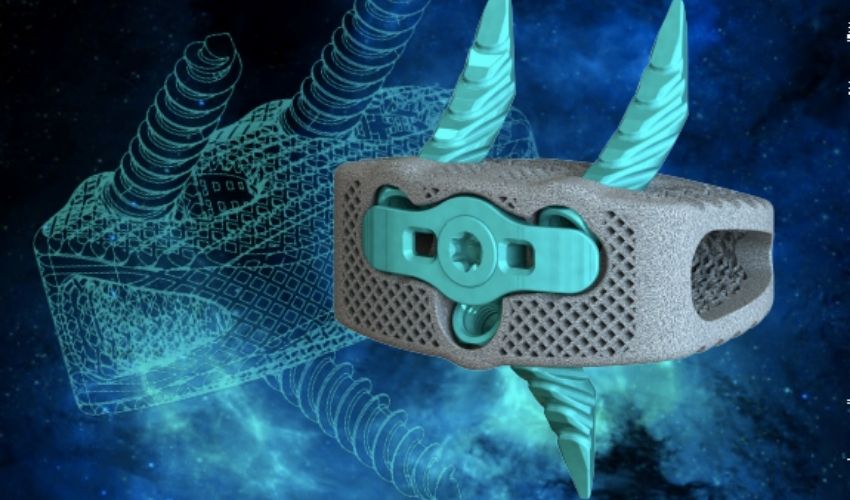 ApplicationsOsseus Announces FDA510 clearance Of New Pisces-SA ALIF SystemAmerican medical device company Osseus recently announced the launch and FDA 510(k) clearance of its Pisces-SA standalone Anterior Lumbar Interbody Fusion (ALIF) system. It has been developed to be used with bone screws and alternative fixation bone anchors to enable…
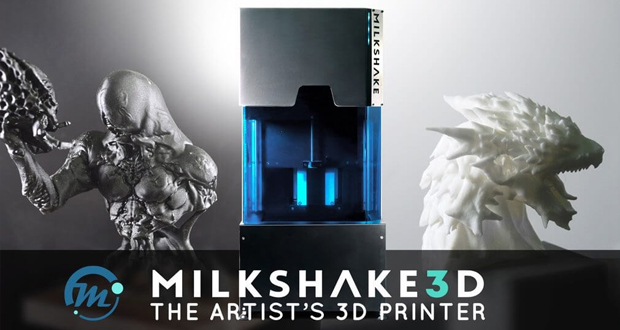 PrintersMilkshake3D the new 3D printer for artistsOri Lab is a Hong Kong based company that began a financing campaign through Kickstarter for their 3D printer, the MilkShake3D. This is one of the first SLA printers using top down printing, a key feature that has made their current campaign a success.…
 NewsBiodegradable, 3D-Printed Fungal Battery Paves the Way to a Sustainable Power SupplyFungi are eukaryotic organisms that have fascinated mankind for a long time with their potential as a medicine, but they also play an important role in our lives as edible mushrooms in gastronomy or as pathogens. Not to mention, mycelium…
 NewsAddressing the problem of food waste with 3D printed clay containersDuring the lockdown caused by the global COVID-19 pandemic, Lea Randebrock did not waste time on despair but was busy making her contribution to a more sustainable way of life. The young designer wanted to address the problem of food…