Materials
Digory: A 3D Printed Alternative to Ivory
For a long time, ivory was considered a valuable material due to its rarity and was used, among other things, for various art pieces. The material is obtained from the tusks and canines of various species, prominently Asian elephants. In…
- 3 min read
- Materials
- Six more stories
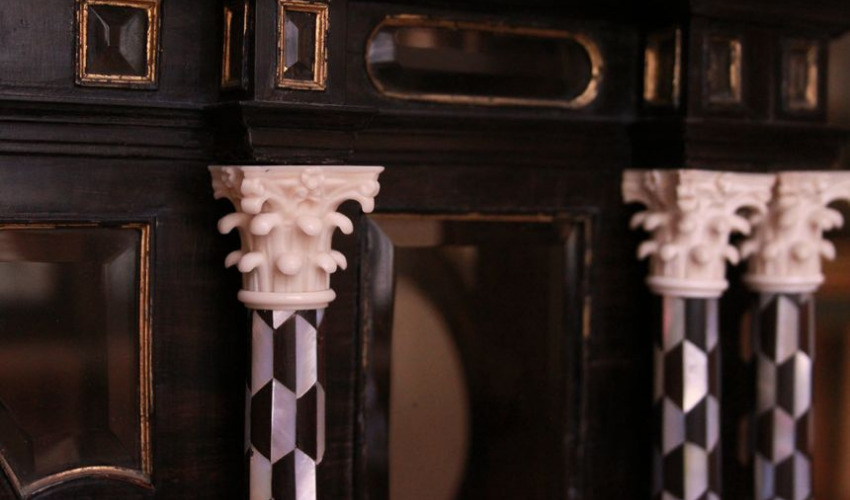
For a long time, ivory was considered a valuable material due to its rarity and was used, among other things, for various art pieces. The material is obtained from the tusks and canines of various species, prominently Asian elephants. In order to protect these animals, the ivory trade has been banned since 1989. The EU Commission is also considering a ban on intra-European trade in antique ivory in order to counteract criminal activities. The Technical University in Vienna has now developed the material “Digory” together with Cubicure GmbH , which thanks to SLA 3D printing, enables the restoration of existing objects and is deceptively similar to ivory. The project was created in cooperation with the Art and Monument Preservation of the Archdiocese of Vienna and the Addison restoration studio in Vienna.
Alternatives for restoration
Mammoth ivory was used to carve figures more than 35,000 years ago. In the course of history, the material was used by a large number of cultures for the production and decoration of pieces of jewelry and in Christianity it was often used in sacred objects. Various alternatives made of mussels, bones or plastics have been used for restoration in recent years. However, there was no material among them that was 100% convincing. In addition, many of these materials are only available on the market in large quantities and are therefore of no interest for repairing individual parts for economic reasons.
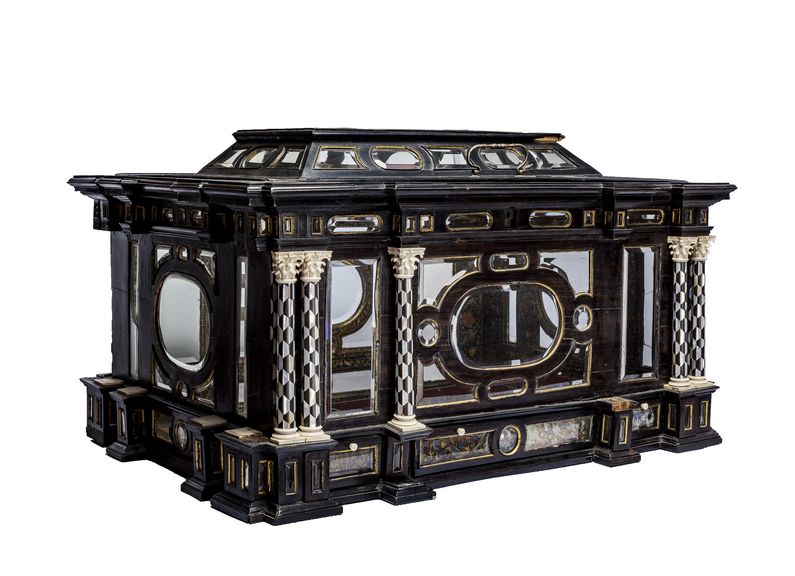
Shrine with ivory decoration from the 17th century (Photo Credit: Stephan Doleschal)
The starting point for the project was a shrine from the 17th century, which is located in a church in Mauerbach, Lower Austria. “It is decorated with small ivory ornaments, some of which have been lost over time. The question was whether they could be replaced with 3D printing technology, ” said Jürgen Stampfl from the Institute for Materials Science and Technology at the Vienna University of Technology.
More from the desk
Six other notes from the rest of the bench.
 NewsTOP 5 videos of the week: Airbus, Fidget Spinners and more!A new selection of the best 3D printing videos of the week, just for you! Find our TOP 5 videos of the week below and tell us what your favorite video is in a comment or on our Facebook and Twitter page.…
 PrintersBambu Lab Announces Recall of Popular A1 3D PrinterIt was not so long ago that we were telling you about the anticipated launch of Bambu Lab’s new A1 3D printer. Designed to be the company’s first ever bed-slinger 3D printer, it prompted serious interest, along with the A1…
 ApplicationsDePuy Synthes invests €36M to develop medical 3D printingJohnson & Johnson-owned franchise, DePuy Synthes Ireland is investing €36 million to establish a 3D Printing Development and Launch Center in order to accelerate its additive manufacturing projects. The company is a global leader in orthopaedic and neurological solutions incl
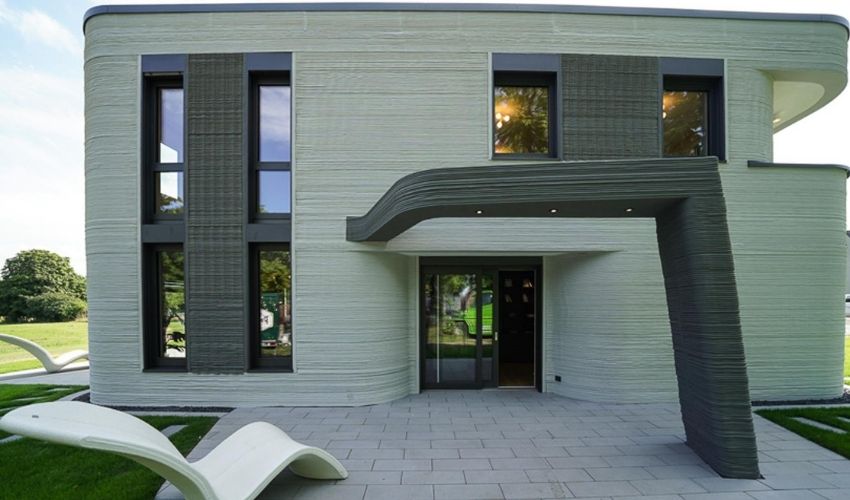 NewsWhat Do We Know About the First 3D-Printed House Inaugurated in Germany?Recently, the first 3D-printed house in Germany was officially inaugurated and has been the talk of the town ever since. This is because the 160-square-meter building is not only an architectural sensation, but has already been awarded the “German Innovation…
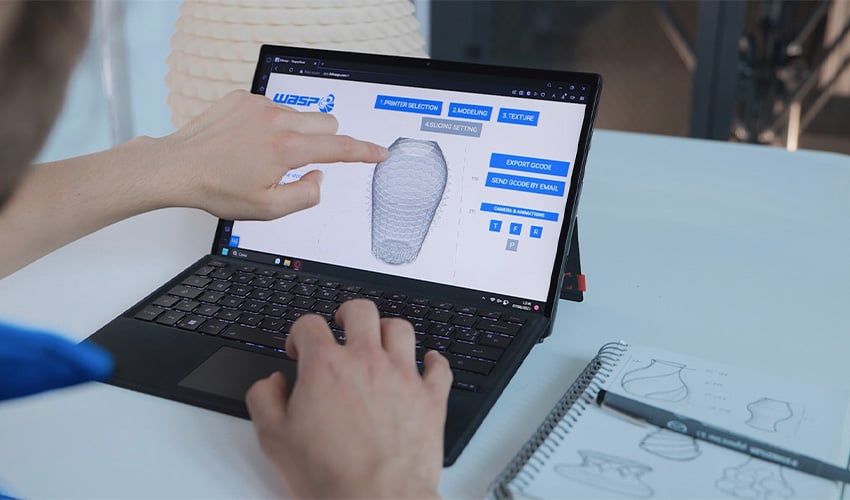 SoftwareWASP Unveils New Parametric Design Software AppWASP holds a significant position within the construction 3D printing sector. The company from Italy has introduced the WASP App, a parametric design software aimed at enhancing the user experience in crafting with clay. Clay has emerged as a primary…
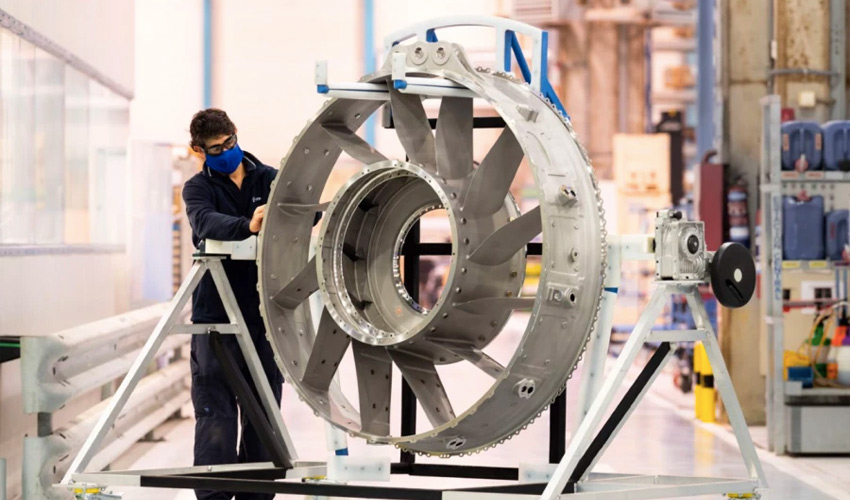 ApplicationsITP Aero 3D Prints the Structure of the New UltraFan Aeronautical EngineAs the Spain-based subsidiary of British luxury automobile maker Rolls-Royce, ITP Aero continues to innovate in the aeronautical industry, particularly as it pertains to engines. Now, ITP Aero has designed and created one of the main structures of the new…