News
Detecting Keyhole Pores in Laser Powder Bed Fusion
Scientists from the University of Virginia, Carnegie Mellon University and the University of Wisconsin-Madison have developed a method to detect and prevent the formation of structural defects known as ‘keyhole pores’ which can result in additively manufactured parts with poor&he
- 3 min read
- News
- Six more stories
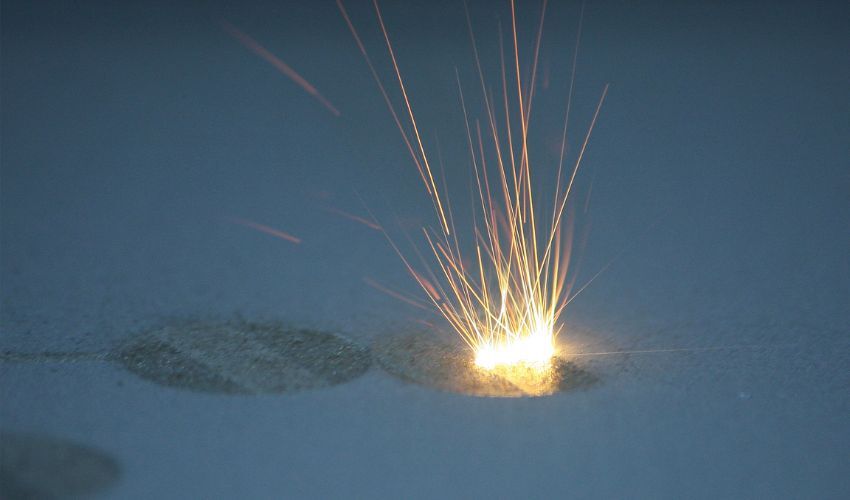
Scientists from the University of Virginia, Carnegie Mellon University and the University of Wisconsin-Madison have developed a method to detect and prevent the formation of structural defects known as ‘keyhole pores’ which can result in additively manufactured parts with poor mechanical properties. With funding from the Department of Energy, the team used x-ray imaging and thermal imaging combined with multiphysics simulations to detect ‘keyhole oscillation’ in the laser powder bed fusion of a titanium alloy, Ti-6Al-4V.
But what exactly are keyhole pores? Well, as you may know, laser powder bed fusion involves the melting and fusion of metal powder particles with a laser. One issue which this can cause is a keyhole pore (as shown in the cover image). These keyhole pores form due to excess laser energy input concentrated on a particular zone of the part. This causes metal vaporization to exert a recoil pressure, pushing down the melt pool surface – this being the area where the laser has melted the powder for sintering. The lowered pool forms a keyhole in which laser reflection and absorption occurs; these unstable conditions can lead to keyhole collapse, where gas bubbles form and can become pore defects when they are stuck in the material by the solid layers. These defects can increase part fatigue and be sites for crack formations in the future.
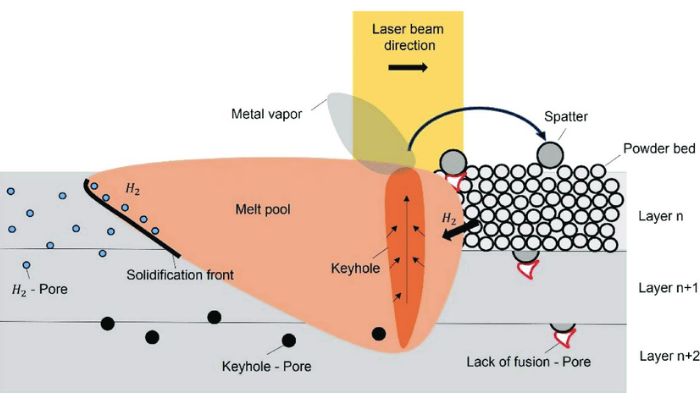
Pore formation in laser powder bed fusion (Photo credits: Natan Nudelis and Peter Mayr, licensed under Creative Commons 4.0)
How Applicable Are The Results to Industry?
The researchers, led by Zhongshu Ren and Tao Sun at the University of Virginia, developed a method to prevent these keyholes by using x-ray imaging, which indicated to them the tendency of keyhole oscillation. They used this information to build a machine-learning model which uses thermal imaging to detect these keyholes. They believe these results to be very applicable to industry 3D printing. Sun confirmed, “Our approach provides a viable solution for high-fidelity, high-resolution detection of keyhole pore generation that can be readily applied in many Additive Manufacturing scenarios.”
More from the desk
Six other notes from the rest of the bench.
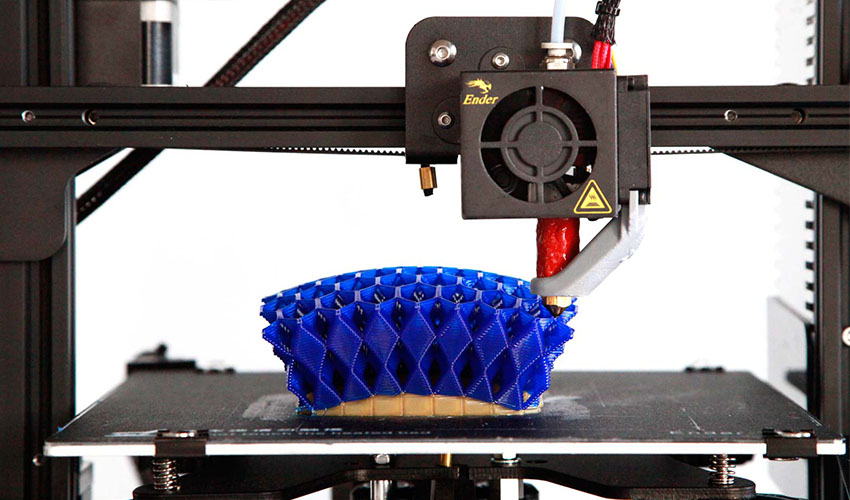 Guidesnonplanar.xyz provides the tools to use the z axis correctly in FDM printingWhilst a 3D printer has movement for 3 axis, x, y and z, it pretty much never uses them at the same time. Usually only x and y movements of the 3D printer nozzle are used to form the geometry…
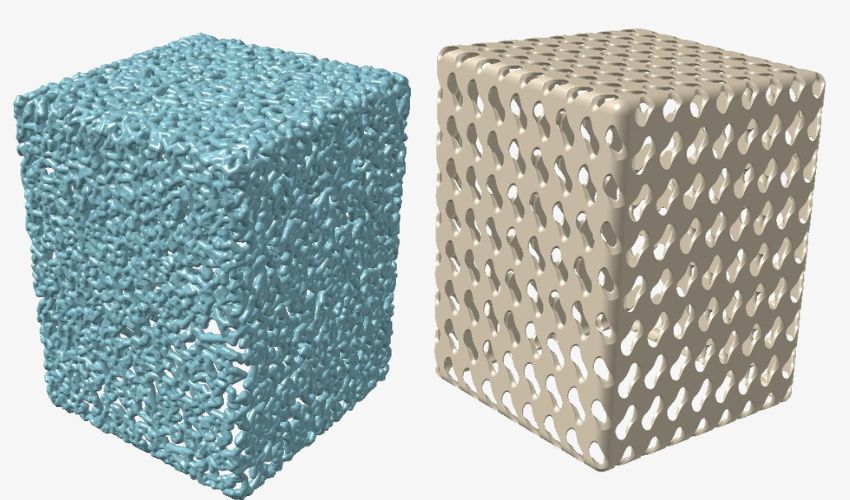 SoftwareChoosing the Right Lattice Structure in 3D PrintingWhen you ask those in the know what the benefits of additive manufacturing are, there is one thing that comes up time and again: design freedom. With the right design software, users can create incredible parts that are lightweight and…
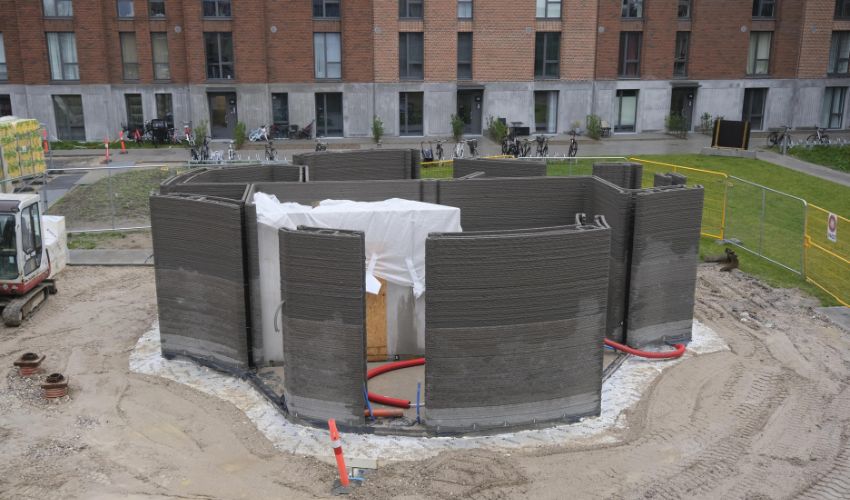 NewsLow CO2 Concrete, 3D Printed Building Unveiled in CopenhagenThe use of 3D printing in the construction sector should no longer come as a surprise. What was once a niche topic has gradually increased worldwide with 3D printed buildings popping up in New Zealand, Qatar, China, the USA, the…
 GuidesWhat Were the Most Innovative 3D Startups in 2023?Additive manufacturing is constantly evolving in all fields. Indeed, just this year, we have seen exciting developments in metal 3D printing, bioprinting and multi-material printing, as well as interesting concepts for greater sustainability. But that’s not all! As you may&
 NewsWEBINAR: The State of 3D Printing in Medicine3Dnatives was joined by Formlabs and Axial3D to discuss the benefits of 3D printing for the medical sector. Additive manufacturing technologies can be used to create tailor-made medical devices such as implants and prosthetics, but also for surgical planning and…
 MaterialsScientists Succeed in Making PLA Material More DegradableAccording to a press release, researchers at the University of Bath have succeeded in making PLA even more degradable. Essentially, they have found that by incorporating sugar units into the polymers, they can be degraded more easily when exposed to…