Guides
Designer Julia Daviy on disrupting and bringing sustainability to the fashion industry
When it comes to the fashion industry, 3D technologies are proving to be a way to unleash the creativity of designers and stylists, bringing more personalisation for the end user. But it is also a way to reduce the amount…
- 3 min read
- Guides
- Six more stories
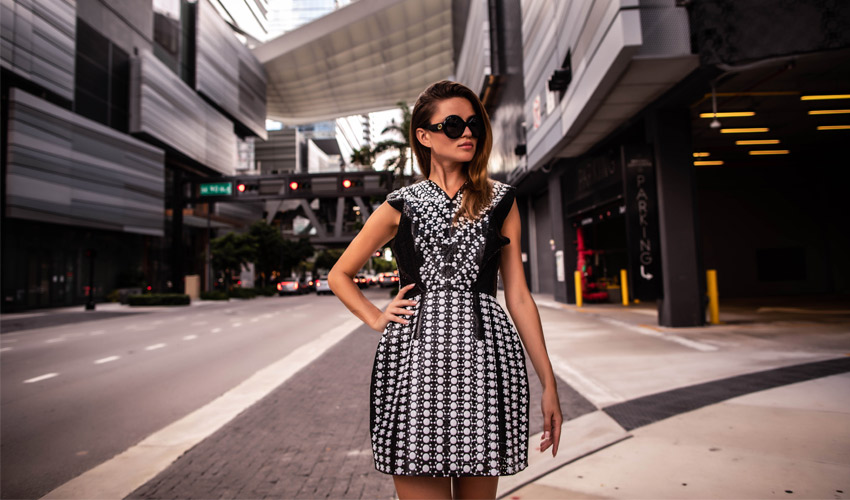
When it comes to the fashion industry, 3D technologies are proving to be a way to unleash the creativity of designers and stylists, bringing more personalisation for the end user. But it is also a way to reduce the amount of waste in an industry that is quite harmful to our environment. This is one of the main reasons why designer Julia Daviy turned to 3D printing: she designed a collection of clothing additively manufactured, disrupting traditional methods. We met with Julia Daviy to learn more about the manufacturing process behind her collection and the advantages of additive manufacturing.
3DN: Can you present yourself and your link with additive manufacturing?
I am Julia Daviy, and I am a 3D printed clothing designer and a clean tech specialist. Three years ago I dived into the learning of 3D printing software and hardware, and took each and every course I could find to get the knowledge and skills. My apartment was flooded by 3D printers and 3D scanners, different types of filaments and other materials, and I bought all the books and magazines on 3D printing I could find. My practical knowledge came from every day experimentations and hundreds of mistakes.
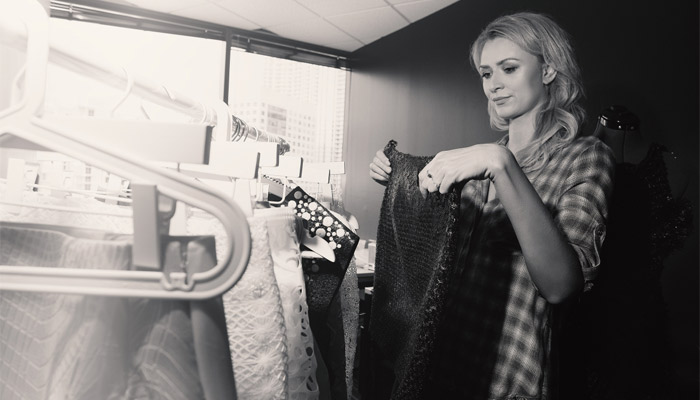
Julia Daviy | Photo Credits: Vita Zamchevska
I started to learn and experiment with 3D printing for several reasons. I was looking for a sustainable and waste-free way of producing clothing. I also noticed that the functions of clothing are changing, it is not all about beautification of our appearance any more. And at the same time, it is almost impossible to find clothes in the market that will meet these new needs. I do not like wasting time on non-intellectual monotonous repetitive operations and the current participation of millions low-paid hard working women and kids into the clothing production. I hate hard logistics in the traditional fashion industry too. All of these forced me to look for better technology for the clothing production. For the last decade, I have been working with clean technology, especially within the solar energy industry. Working in this new industry and solving challenges every time, I was not afraid to meet them again but in a new industry.
More from the desk
Six other notes from the rest of the bench.
 NewsDigital Gastronomy, infusing traditional cooking with 3D printing technologiesDigital Gastronomy is a culinary vision that seeks to offer hybrid solutions. They are hybrid in that they combine traditional cooking with new computational abilities. Researcher Amit Zoran, part of the Digital Gastronomy project, told us how his research in…
 Software#3DStartup: Handddle Structures and Industrializes the Uses of 3D PrintingHandddle is a French startup that has developed a software solution and a 100% configurable manufacturing microfactory, allowing additive manufacturing users to structure and industrialize 3D printing processes and functions. Based in Bordeaux, the startup supports professionals
  PrintersT3D, 3D printing direct from your mobile phoneThis revolutionary new T3D mini-printer can 3D print in multiple colours directly from your smartphone, and can even do it outside! Riding high on the coat-tails of an extremely successful Kickstarter campaign, T3D is a new Californian 3D-print company. This…
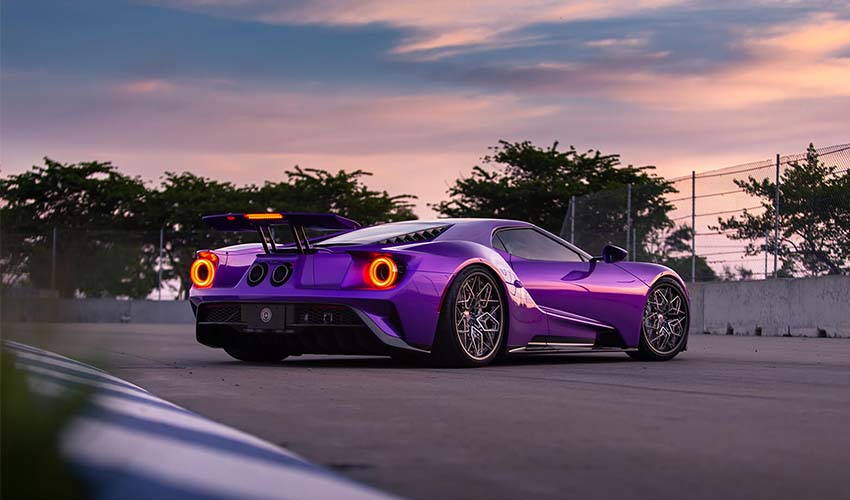 ApplicationsHRE3D+, the second-generation of the world’s first 3D printed titanium wheelLast week Rapid + TCT 2019, one of the most important events in additive manufacturing, came to an end. The second-generation of the first 3D printed wheel made of titanium – the HRE3D+ on a 2019 Ford GT – was…
 NewsNissan uses 3D printing to create a Star Wars vehicleWhile the Star Wars saga continues with a new film on the famous Han Solo, which has recently had their world premiere in Hollywood, it is not only the stars who graced the red carpet but also additive manufacturing, thanks…
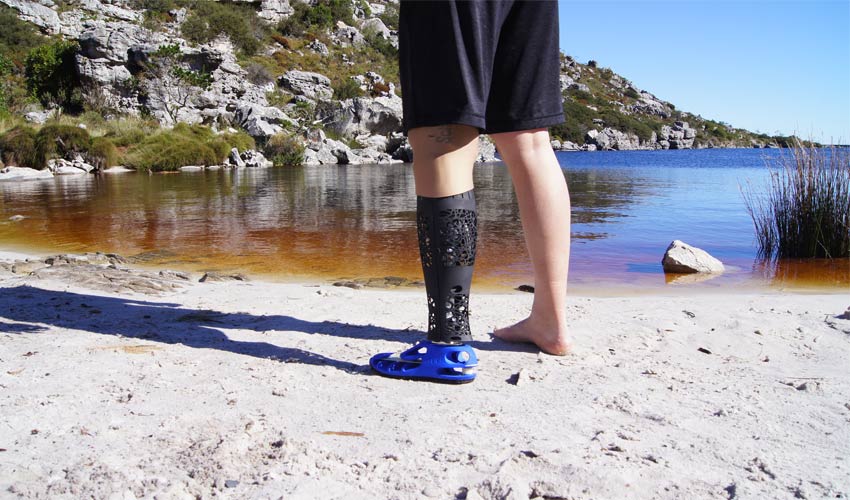 GuidesMecuris creates a digital platform for 3D printing prostheses & orthoses3D printing is increasingly used in the medical field, whether for research work, to create fabrics using bio-printing technology or to design custom prostheses and orthotics. Some players in the sector are developing innovative solutions using 3D technologies, allowing patients&