News
Jacquard by Google uses Stratasys PolyJet Technology
The brainchild of Google’s Advanced Technology and Projects (ATAP) group, Jacquard by Google is a wearable platform. It enables interactive digital experience through an app and a physical tag, manufactured using Stratasys PolyJet technology. The team chose this technology for&he
- 3 min read
- News
- Six more stories
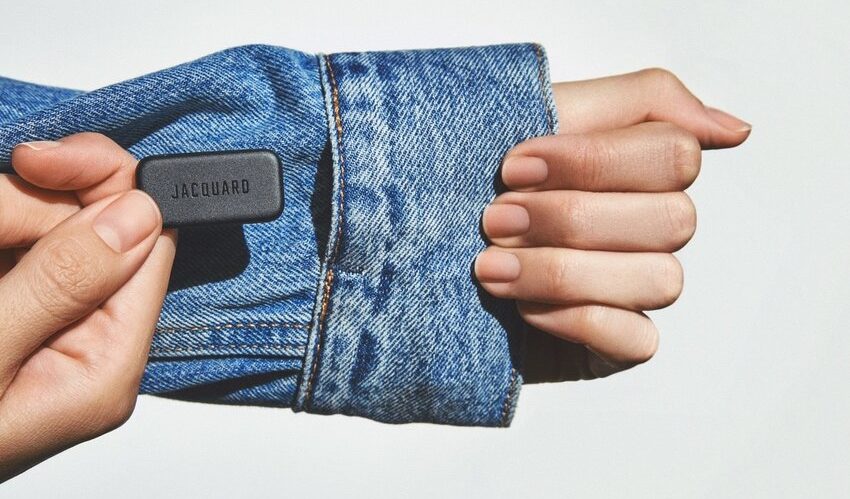
The brainchild of Google’s Advanced Technology and Projects (ATAP) group, Jacquard by Google is a wearable platform. It enables interactive digital experience through an app and a physical tag, manufactured using Stratasys PolyJet technology. The team chose this technology for its versatility, material performance, speed, and functional fidelity. ATAP has now begun employing Stratasys’ Digital Anatomy technology to design devices specialised for wear on the human body.
The Jacquard Tag can be customised to sense and respond to specific gestures. It translates movements into commands, which are passed on to the Jacquard app to execute. These include controlling music, athletic tracking, taking photographs, navigation, and alerts among others. The Jacquard Tag is discrete, intended “fit seamlessly into our aesthetic surroundings” according to Bryan Allen, technical program manager and ATAP Lab lead. It can be incorporated into almost any product including trainers, jackets and backpacks.
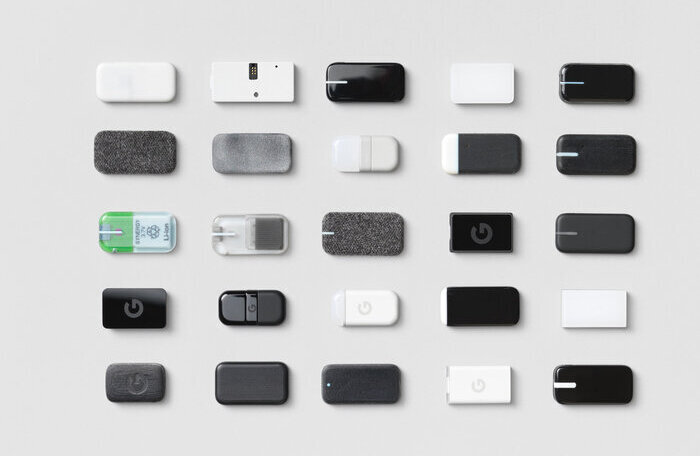
Design iterations of the Jacquard Tag 3D printed with Stratasys PolyJet technology.
The project as a whole required the use of a variety of traditional and additive manufacturing techniques and technologies. The Jacquard team opted to use Stratasys PolyJet technology for this project for several reasons. PolyJet offers a high level of versatility, meaning that modifications to the design could be made easily, regardless of how far along the production process. This technology also allowed the team to create functional multi-coloured, multi-material prototypes as well as parts from flexible materials. Among other benefits are the high-quality resolution, diverse range of compatible materials, and impressive workflow capabilities enhanced by Stratasys’ KeyShot software. This allowed the team to create high-fidelity multi-material prototypes over the night rather than weeks.
More from the desk
Six other notes from the rest of the bench.
 ApplicationsConcrete 3D Printing Will Be Used for the UK’s New High Speed Rail Network, HS2In January 2012, it was announced that a national high speed rail network would be built in the United Kingdom, the HS2. Currently, construction is underway on the first phase of the rail, covering 140 miles between London and Birmingham.…
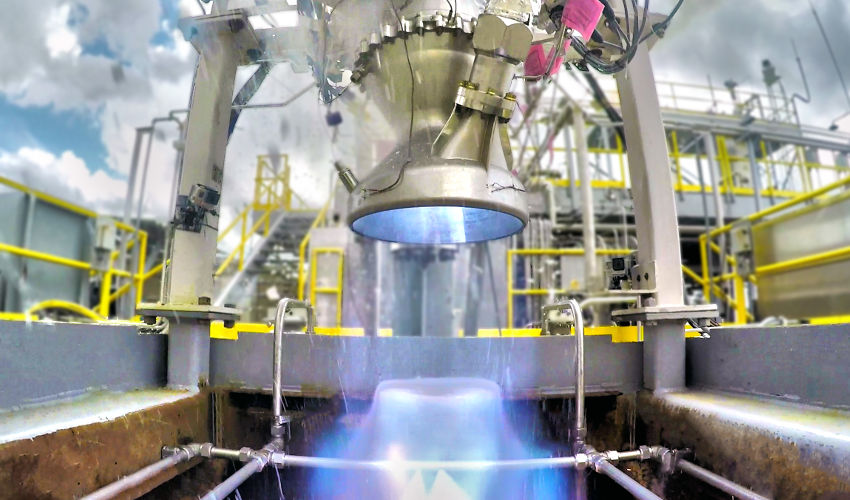 Guides#3DStartup: Relativity Space, Creating 3D Printed Rockets for MarsAdditive manufacturing pushes the earth’s limits and invades space : Relativity Space is a perfect example! This American startup has invented a 3D printing method to create whole rockets that could well take off in a few years. Their Stargate process would indeed be&hellip
 NewsTop 5 Videos: Celebrate 3D Printing Day!Happy 3D Printing Day! Yes, you heard right! Coined back in 2013 by GE with the catchy line “going 3D on D3,” the third day of December has become a time to reflect on the additive manufacturing industry and marvel…
 NewsOctinion: The 3D Printed Strawberry-Picking RobotBelgian engineering startup Octinion are attempting to revolutionise the way we harvest. They have recently developed a strawberry-picking robot that has a 3D printed “hand” to pick strawberries with. This advanced robot can even determine whether a strawberry is ripe
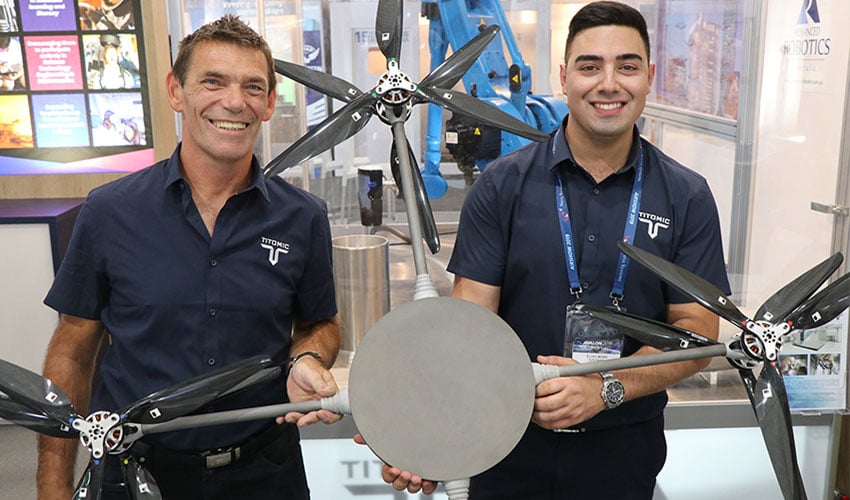 NewsTitomic 3D prints the largest titanium droneTitomic is an Australian manufacturer of 3D metal printers that recently unveiled a 3D printed titanium drone, the largest on the market according to the company. And for good reason, this one is 1.8 metres in diameter! It was designed…
 Applications8 Reasons to Use 3D Printing for Space ExplorationHumanity has always dreamed of conquering space, and every technological advance brings us a little closer to this goal. Among these innovations, 3D printing has emerged in recent years as a major asset for the space industry. But contrary to…