Applications
Hyundai and Kia Open Dedicated Additive Manufacturing Center in South Korea
Hyundai Motor Group installed its first industrial 3D printer in 1996. Nearly 30 years later, Hyundai Motor and Kia have opened an entire facility dedicated to additive manufacturing research and production: the Additive Manufacturing Solution Center (AMSC), located at the&hellip
- 3 min read
- Applications
- Six more stories
Hyundai Motor Group installed its first industrial 3D printer in 1996. Nearly 30 years later, Hyundai Motor and Kia have opened an entire facility dedicated to additive manufacturing research and production: the Additive Manufacturing Solution Center (AMSC), located at the Namyang R&D Center in South Korea.
The AMSC is one of four Namyang facilities Hyundai has been detailing in a series on its digital R&D infrastructure, alongside the Driving Simulator, the Digital Measuring Center and the NOVA Lab for electrical architecture validation. It resides in a newly built facility inside the Advanced Mobility Solutions building and runs both polymer and metal processes.
“We are rapidly internalizing additive manufacturing technologies through a growing range of applications across the Group. Beyond vehicle components, we are expanding their use in high-value applications such as equipment consumables and manufacturing tools.” – Hanwoo On, Senior Manager of the Additive Manufacturing Solutions Team, Hyundai Motor and Kia
Two Materials, One Facility
For polymer parts, the AMSC uses two vat photopolymerization techniques, digital light processing (DLP) and stereolithography (SLA), along with polymer powder bed fusion (polymer PBF). DLP and SLA handle the finely detailed work: design validation and prototypes where dimensional accuracy matters most. Polymer PBF is preferred for larger, more robust parts.
More from the desk
Six other notes from the rest of the bench.
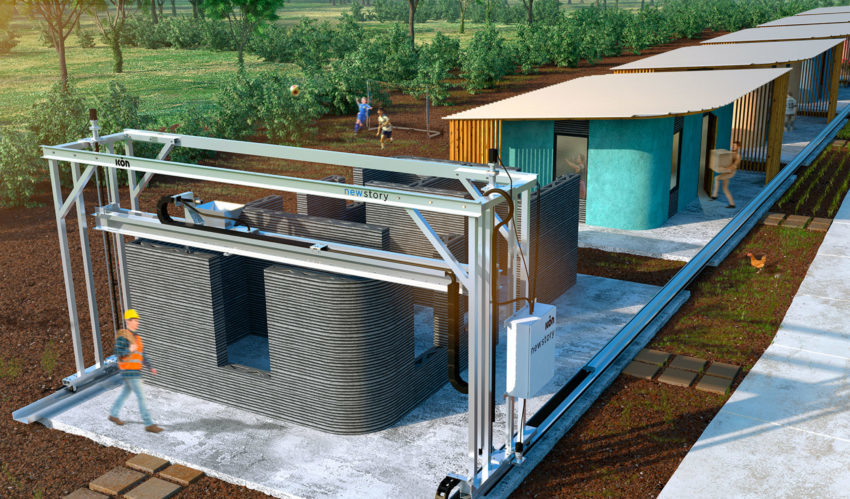 NewsHow does a concrete 3D printer work?In recent years the role of additive manufacturing in the construction industry has become increasingly important. In particular, concrete 3D printers have been continuously gaining popularity among architects and construction firms. After water, concrete is the most widely used
 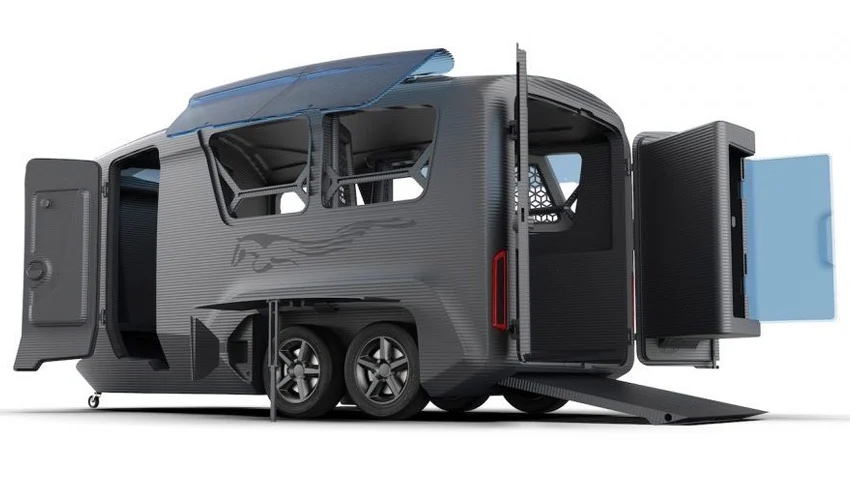 NewsDouble D Trailers Has Announced the First 3D Printed Horse TrailerDouble D Trailers is an American brand that specializes in the manufacture of horse trailers. The company’s goal is to design the first 3D printed horse trailer using an XXL printing solution with a robotic arm. By using additive manufacturing,…
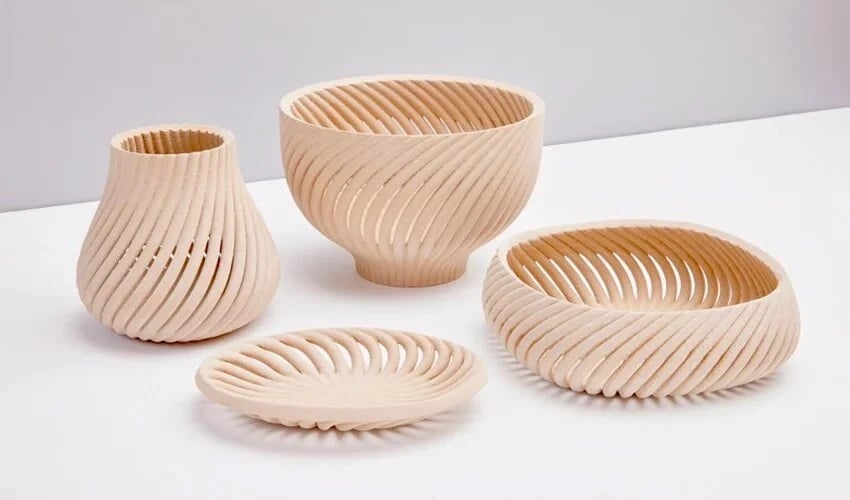 MaterialsAll You Need to Know About Wood 3D PrintingWhen we talk about additive manufacturing and materials, we often think of plastics or metals. However, the current offering has grown significantly over the years and we can now produce parts with a wide variety of materials, from ceramics to…
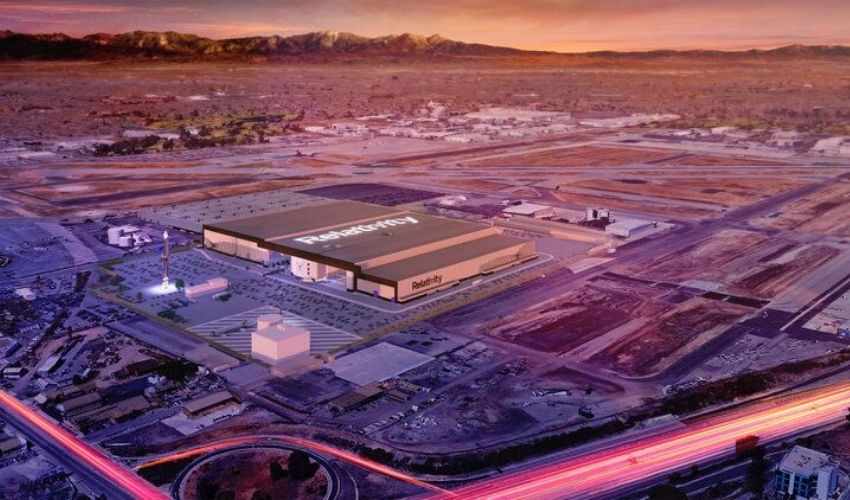 ApplicationsRelativity Space to Open New 1M Square Foot Factory in CaliforniaA few weeks ago, Relativity Space announced that it had raised $640M to scale production of its entirely 3D printed rocket, Terran R. Now, we know how they intend to use at least part of those funds. Yesterday, the company…
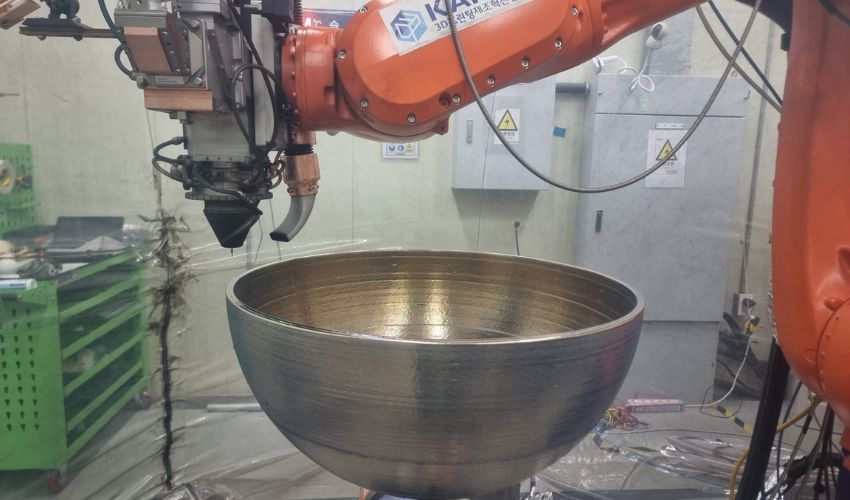 ApplicationsApplication of the Month: 3D Printed Titanium Tank from South Korean ConsortiumA group of South Korea’s leading companies and research institutions is driving a major breakthrough in space technology. The Korea Institute of Industrial Technology (KITECH), Korea Aerospace Research Institute (KARI), KP Aero Industries, AM Solutions, and Hanyang University hav
 News3D printed communities to be built by LTG Lofts & Black Buffalo 3DThe architecture and construction sectors have been enjoying the benefits offered by 3D printing technologies for a while now. From houses 3D printed in just a few days to military structures to bridges, additive manufacturing is being embraced by more and…