Materials
All You Need to Know About Wood 3D Printing
When we talk about additive manufacturing and materials, we often think of plastics or metals. However, the current offering has grown significantly over the years and we can now produce parts with a wide variety of materials, from ceramics to…
- 3 min read
- Materials
- Six more stories
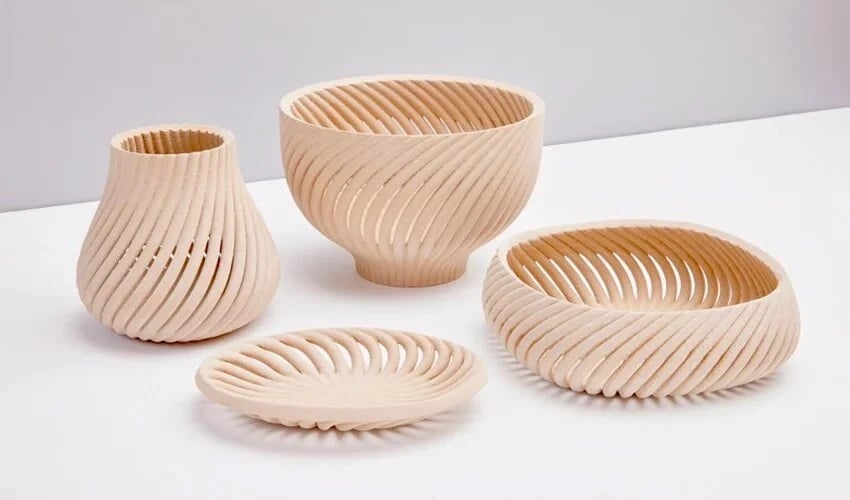
When we talk about additive manufacturing and materials, we often think of plastics or metals. However, the current offering has grown significantly over the years and we can now produce parts with a wide variety of materials, from ceramics to food to stem cell-laden hydrogels. Among these amazing materials is wood. Now compatible with processes such as filament extrusion or even powder bed methods, wood 3D printing is becoming increasingly popular.
According to a report published by the journal Nature, humans have already lost 54% of the total number of trees on our planet. Deforestation is a real threat today and it is crucial to rethink the way we consume wood. Additive manufacturing could be the key to more sustainable use of wood because it is a production technique that uses only the necessary material and can design objects from recycled materials. We could therefore 3D print parts that would be transformed back into raw material if they are no longer useful in order to start a new production cycle.

3D printing of wood allows to create original decorative pieces (photo credits: Fortus)
Extrusion Wood 3D Printing
One way to 3D print wood is to extrude filaments. It should be noted that these materials are not made of 100% wood. They actually contain 30-40% wood fiber and 60-70% polymer, which serves as a binder. An interesting aspect of the manufacturing process itself is that these filaments allow you to experiment with their temperature to generate different colors and finishes. In other words, if the extruder reaches high temperatures, the wood fibers burn, creating darker tones in the pieces. Keep in mind, however, that this material is highly flammable. If the nozzle is too hot and the filament is not extruded quickly enough, the print can be damaged or even catch fire.
More from the desk
Six other notes from the rest of the bench.
 ApplicationsHong Kong University Develops 3D Printed Airways for Burn VictimsHigh-degree burns often cause injuries to the respiratory tract. To treat inhalation injuries, cuts must be repaired and damaged tissue removed so that the healthy tissue can be reconnected. Researchers at the University of Hong Kong (HKU), alongside C2iTech and…
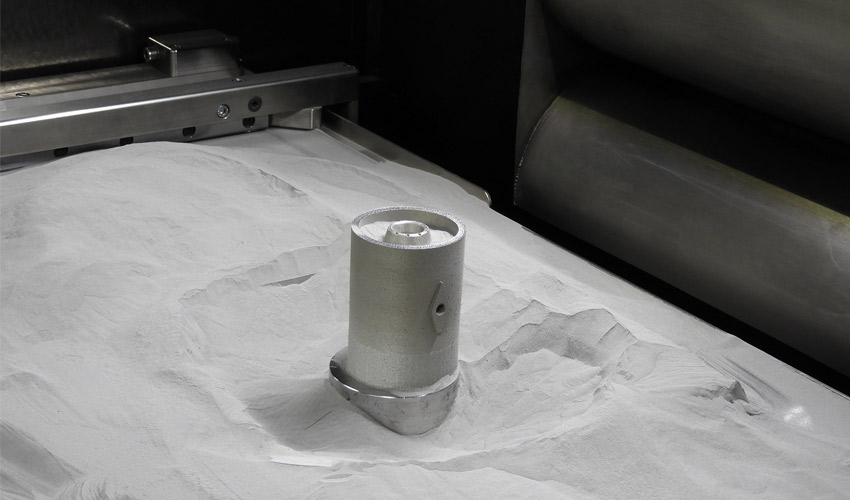 PrintersHow can metal additive manufacturing improve existing production processes?Krüger Fertigungstechnologie is a German company that recently invested in a metal additive manufacturing solution from GF Machining Solutions, an expert in Laser Powder Bed Fusion technology. Since 1996, the company specializes in subcontracting manufacturing, focusing mainly on
 NewsThe Hollywood Showcase Brings the Magic of Cinema to Life via 3D PrintingLights, camera, action! One of the clear highlights this year at RAPID + TCT was the Hollywood Showcase. In this incredible zone, attendees were able to get up close and personal with some of their favorite characters such as Mike…
 NewsThe QR3D House: Four Floors of Futuristic DesignAdditive manufacturing has once again demonstrated its agility in the construction sector, this time in Singapore! The country recently opened a multi-story house with 3D printed walls. The project was called QR3D and it was designed by architectural firm Park…
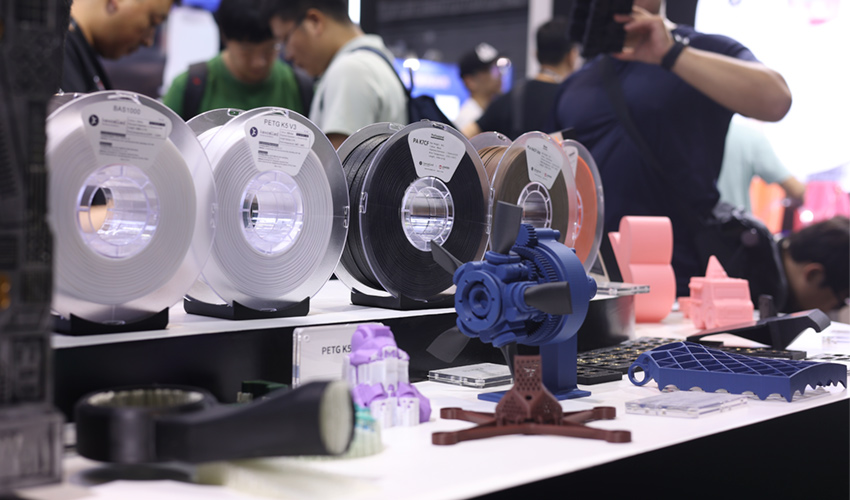 MaterialsKexcelled Talks Its Range of 3D Printing Materials and International ExpansionAs research into new additive manufacturing materials continues to advance, so do the suppliers of these materials. Kexcelled has established itself as a key player in the high-quality materials sector with a wide range of products including both filaments and…
 NewsSearious Business wants to 3D print a sailboat from plastic wasteWhile 3D printing is shaking up many industries, it is also changing the way we use materials today. It is increasingly interesting to various companies and associations in terms of plastic waste recycling. These can be transformed to create new 3D printing materials and…