Software
Hyperganic makes a 3D printed rocket engine using AI
The German company Hyperganic, which we met last year, recently presented its 3D printed rocket engine prototype, designed entirely by artificial intelligence. The entire part was designed as a single block, integrating both the combustion chamber and the surface channels.&hellip
- 3 min read
- Software
- Six more stories
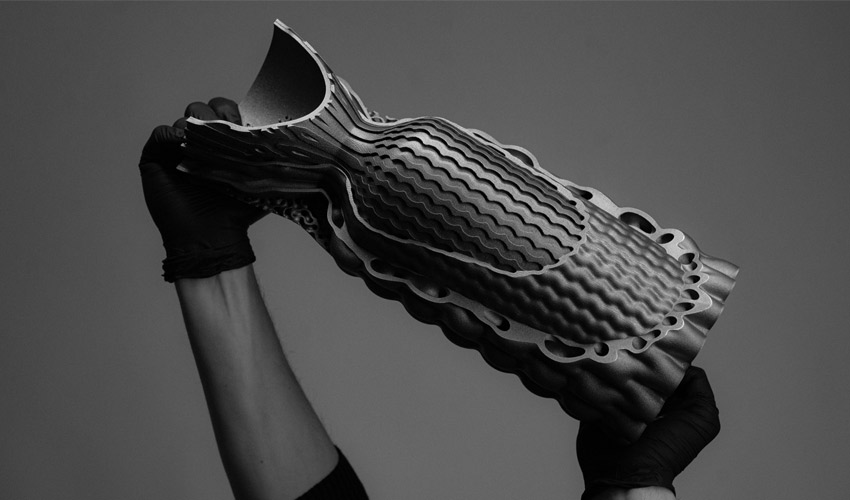
The German company Hyperganic, which we met last year, recently presented its 3D printed rocket engine prototype, designed entirely by artificial intelligence. The entire part was designed as a single block, integrating both the combustion chamber and the surface channels. Instead of having a CAD file, the modeling information has been written in a language only readable by Hyperganic’s algorithm. Hyperganic then uses the data to design the final part, and create it layer by layer.
Combining additive manufacturing and artificial intelligence can generate key benefits for the 3D printing industry. A 3D printer with AI could reduce the risk of errors, offer automated production, etc. In the case of Hyperganic, artificial intelligence allows the object’s design to be generated as one piece. Duy-Anh Pham, Head of Design at the German company, explains: “We compare the process to growing rather than designing. You’re telling the algorithm what you need the object to do and then the algorithm is kind of growing the object with the performance you had in mind, with the specifications. So the process doesn’t create a blueprint, but the DNA for an object.”
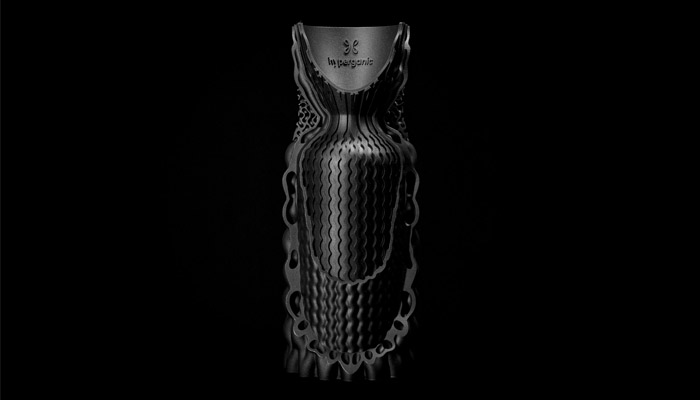
The entire 3D printed rocket engine printed | Credits: Hyperganic
The manufacturing process
Hyperganic’s goal was to design a rocket engine as a single unit in order to have the lowest possible weight and the most efficient cooling. Traditionally, the various components of a rocket engine are designed separately and then the cooling channels are welded to the combustion chamber. But this can cause errors and explosions in the long term. With this manufacturing method, Hyperganic is able to design everything as a single component, thus increasing the final performance of the engine. The company took into account the key elements of the engine, namely the combustion chamber and the cooling channels – based on this data, an algorithm generated a geometry that met all the required specifications.
More from the desk
Six other notes from the rest of the bench.
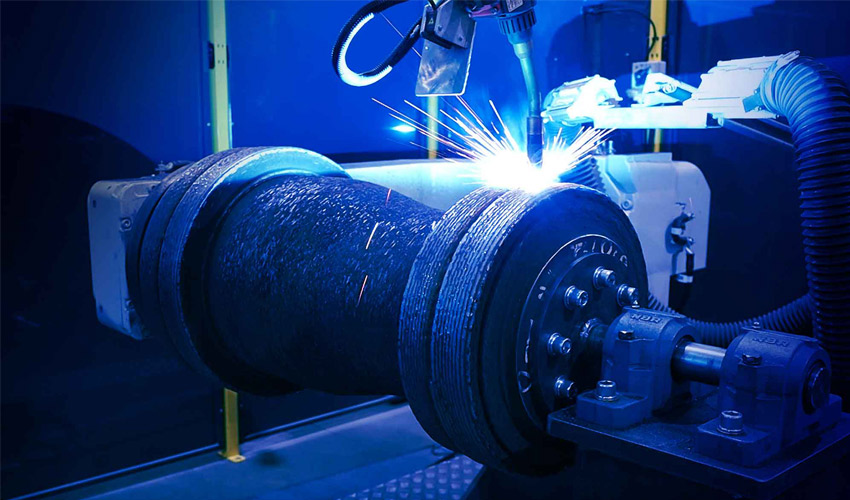 NewsAML3D to Make 2000-Pound, 3D Printed Pressure Vessel for ExxonMobilMetal machine manufacturer AML3D is beginning production of a pressure vessel for U.S. oil company ExxonMobil. It is a $190,000 contract to design an 8-meter by 1.5-meter diameter part, making it the largest commercial 3D printed commercial pressure vessel on…
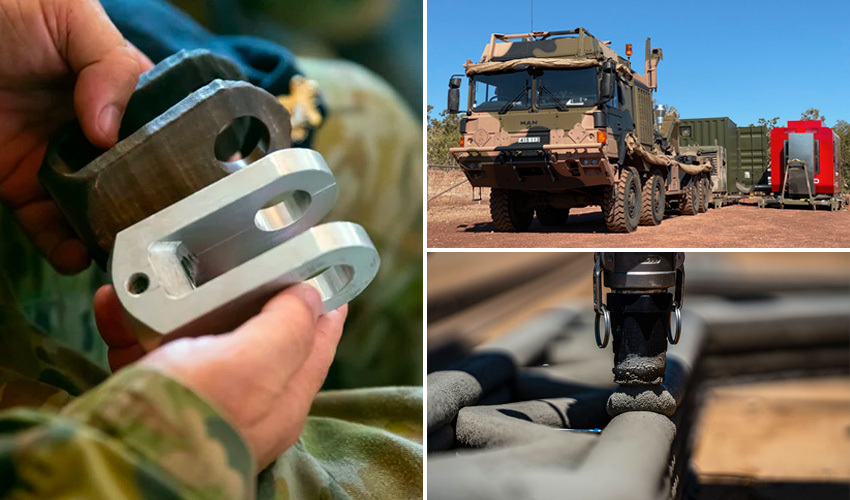 GuidesThe Use of Additive Manufacturing in the Defense SectorAdditive manufacturing is widely used in many sectors including maritime, aerospace, and automotive. It should come as no surprise then, that it is also being increasingly adopted by the defense sector worldwide. In fact, the military 3D printing sector is…
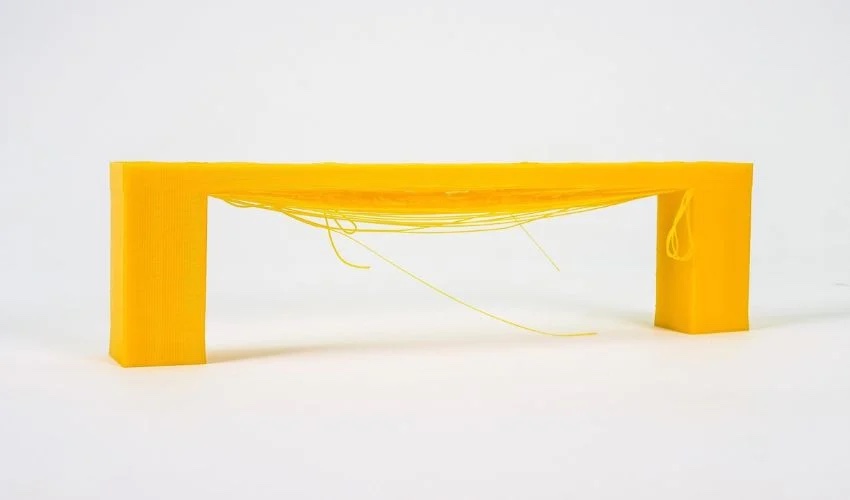 MaterialsBridging in 3D Printing: Everything You Need to KnowUsing a 3D printer, whether for professional or hobbyist purposes, can be an exciting journey filled with surprises. However, not all surprises are positive; some may present challenges. We have previously discussed common printing issues like stringing, ghosting, and warping,&he
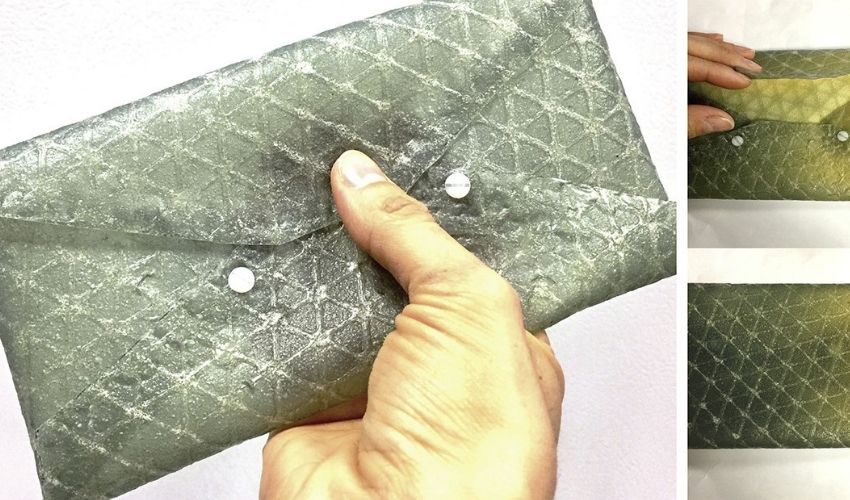 NewsTufts Researchers Develop Leather Alternative Thanks to 3D PrintingThe use of 3D printing offers different advantages for different industries. The ability to produce complex geometries with a variety of materials using 3D printing is highly relevant for artists and designers, among others. It often seems as if creativity…
 News3D Printed Running Shoes Help ‘Rewild’ Urban SpacesResembling a hoof, dispersing seeds, and emerging from a 3D printer – these are not traits you’d normally associate with a running shoe. Yet, the synergy of innovative design, ambition, and a fearless creative spirit has melded these features seamlessly…
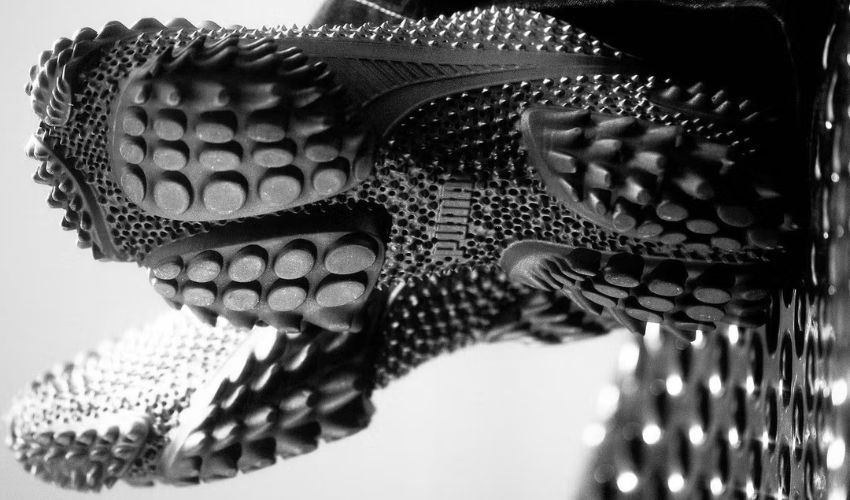 News3D Printed Revival of PUMA Mostro Sneaker Shown at New York Fashion WeekTime and again, we have seen manufacturers design and develop 3D printed shoes. Now, famed shoe designer Puma has also jumped on the additive manufacturing bandwagon. At New York Fashion Week, the company presented a 3D-printed version of its Mostro…