Applications
Understanding the Complexity of the Human Heart with 3D Bioprinting
The heart is a complex organ, with mechanics and physiology that are difficult to study and understand. However, 3D printing could help us to better understand this vital part of our body. In any case, this is the aim of…
- 3 min read
- Applications
- Six more stories
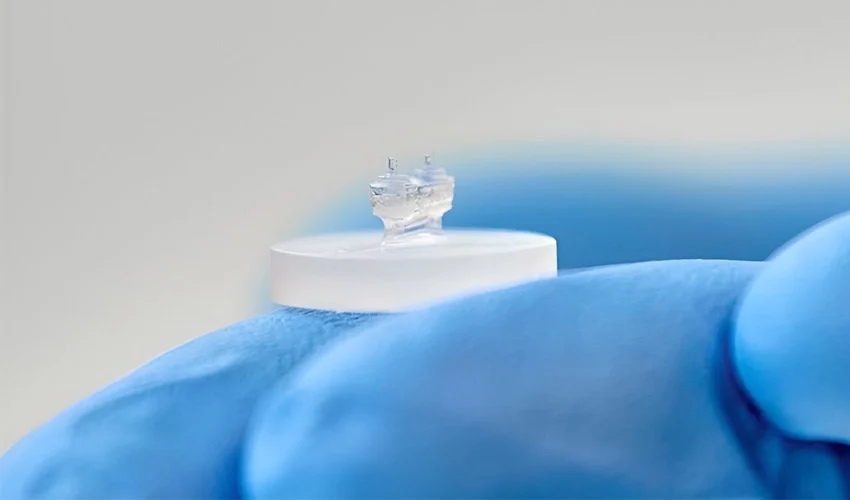
The heart is a complex organ, with mechanics and physiology that are difficult to study and understand. However, 3D printing could help us to better understand this vital part of our body. In any case, this is the aim of a team of researchers from the Azrieli Center at CHU Sainte-Justine in Canada. They have developed a “heart-on-a-chip”: a system made using 3D bioprinting that simulates the mechanical and electrical activity of the human heart, thus mimicking its behavior. The device could make it easier to study individual heart diseases and develop specific treatments more suited to each patient.
For some years now, 3D bioprinting, which involves printing with living cells, has been evolving rapidly, and has been the driving force behind a number of promising and encouraging medical projects. Ultimately, one of the goals of those using this technology would be to develop viable organs, thus considerably reducing the number of people waiting for a kidney, liver or heart. Transplants could be faster and potentially less risky. However, there is still a long way to go before we get there, still bioprinting promises great medical advances. For the time being, it is mainly used in research phases, offering alternative solutions to better understand a given disease.
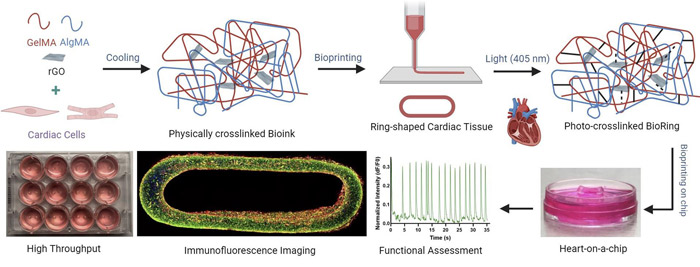
The process developed by the Canadian researchers
Using 3D Bioprinting to Study the Human Heart
Notably, diseases affecting the heart are particularly complex. Because the heart is such a vital organ, it is currently very difficult for medical professionals to study its cellular activity live and draw conclusive conclusions. That’s why researchers at CHU Sainte-Justine have set out to create a bio-printed ring that reproduces the physiology and mechanics of the heart. They developed a specific bio-ink based on photocrosslinkable natural polymers, methacryloyl gelatin (GelMA), methacrylate alginate (AlgMA), and electroconductive nanomaterials of reduced graphene oxide (rGO). This combination resulted in a material that was not only easier to print, but also incorporated improved tensile and compressive mechanical properties.
More from the desk
Six other notes from the rest of the bench.
 NewsCOBOD and PERI 3D print 4 houses in 4 days at BautecIn Berlin, the international Bautec construction exhibition gathered over 30,000 visitors from more than 40 countries. This was the perfect occasion for COBOD, one of the leading actors in concrete 3D printing to demonstrate the productivity of their BOD2 3D…
 Applications3D Printed Lunar Regolith Bricks Can Withstand the Extreme Environments in SpaceSince the first space flight in the 1960s, humankind has dreamed of not just visiting the stars but of residing among them. Though living on the Moon or Mars might seem like science-fiction, it is actually something that is being…
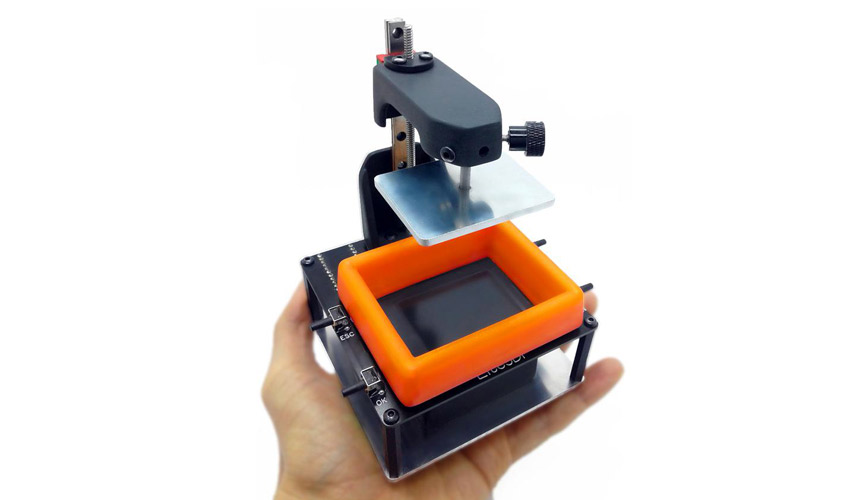 PrintersLite3DP S1, an affordable MSLA micro 3D printerLite3DP has launched a new micro 3D printer. Sold in DIY kit form, the small compact Lite3DP S1 is designed for makers and enthusiasts. It is undoubtedly one of the smallest MSLA printers on the market, measuring 100 x 100…
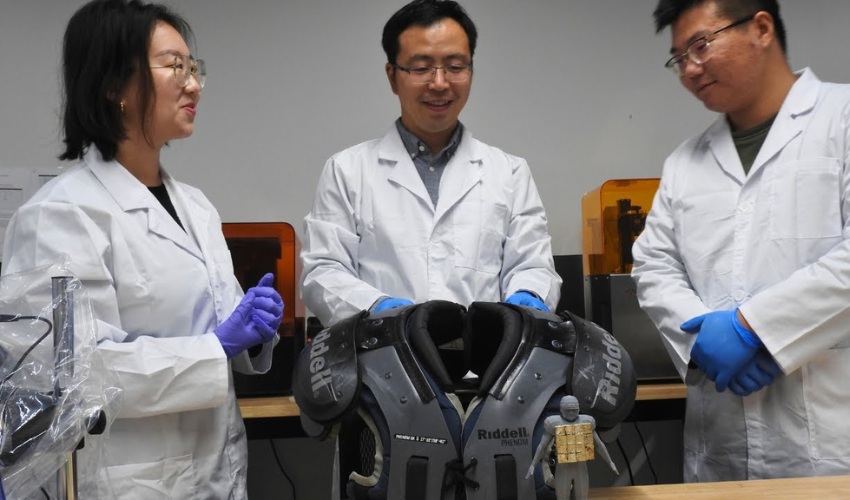 NewsCuttlefish-Inspired 3D Printed Body Armor to Redefine SafetyResearchers at San Diego State University are revolutionizing body armor design, taking inspiration from the resilience and adaptability of marine life. Spearheaded by Professor Yang Yang and his research team, this transformative approach integrates cutting-edge sensing capabili
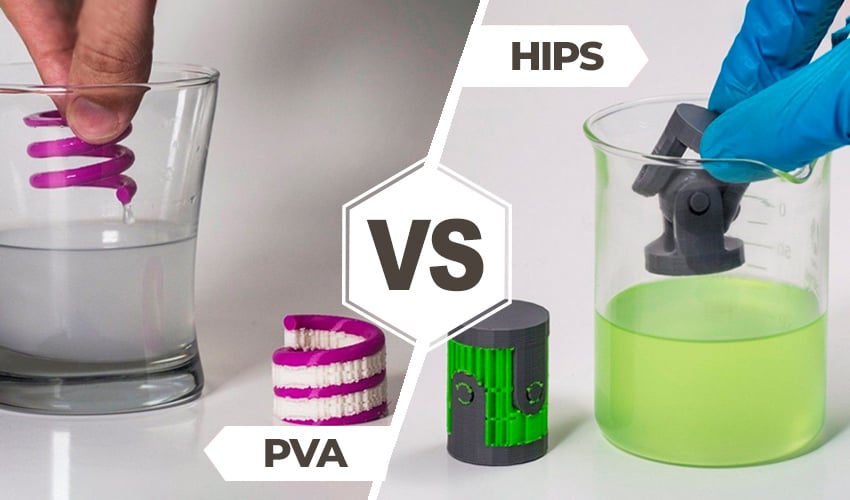 MaterialsPVA vs HIPS: How to Choose the Right 3D Printing Support MaterialIf you want to print objects with complex geometries, steep overhangs, long bridges and cavities, you cannot avoid support structures. With powder-based printing technologies, these are not required, as the powder itself is able to support the printed structure. However,…
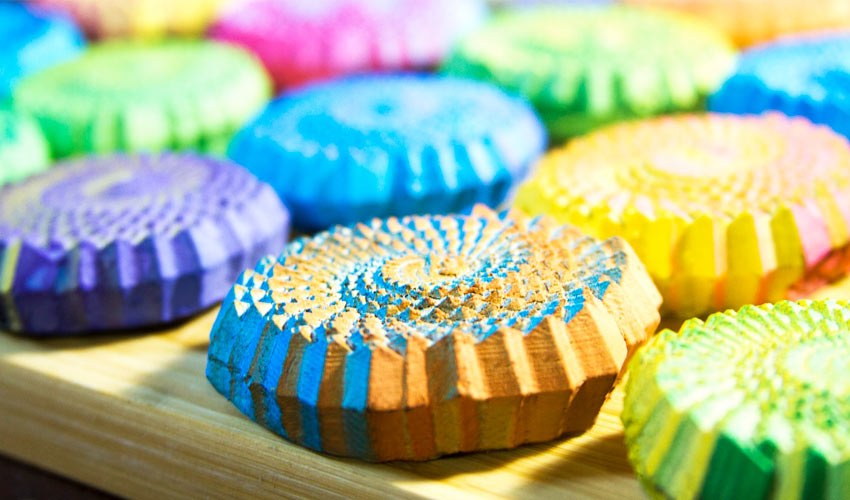 GuidesBudmen: 3D Printed Tasty Treats for the Whole FamilyBudmen have been well-known for a while as creators of stunning 3D printed lamps, each uniquely customised. However, since then they have been working on a new project, their Neon Nom Noms. After seeing how delicious these 3D printed treats…