Materials
How to Dry Your 3D Printing Filament and Avoid Moisture Build-Up
Thanks to its diverse benefits, 3D printing offers many opportunities for companies to break with their usual production routines and make them more efficient. But the technology does not come without its share of challenges. Many attempts fail due to…
- 3 min read
- Materials
- Six more stories
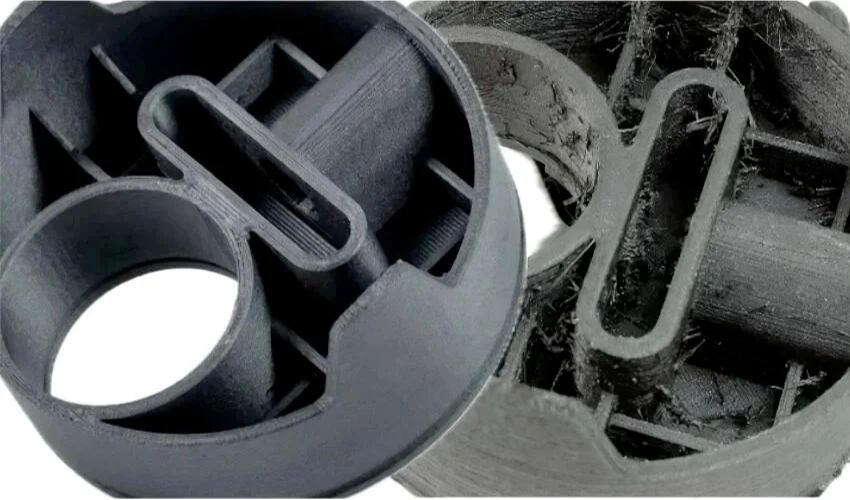
Thanks to its diverse benefits, 3D printing offers many opportunities for companies to break with their usual production routines and make them more efficient. But the technology does not come without its share of challenges. Many attempts fail due to printing errors like warping or ghosting. These phenomena affect the 3D printed part quality and sometimes even its properties. One common issue? 3D printing filament not being dry.
During storage, filament may absorb moisture from the atmosphere in a very short time. If moisture remains in the material, it will cause problems. This occurs in particular with PA, TPU, PVA, PMMU or BVOH filaments, but also with PLA, PETG, nylon or ABS. Here, we will explain how to detect moisture and dry your filament to avoid these printing errors.
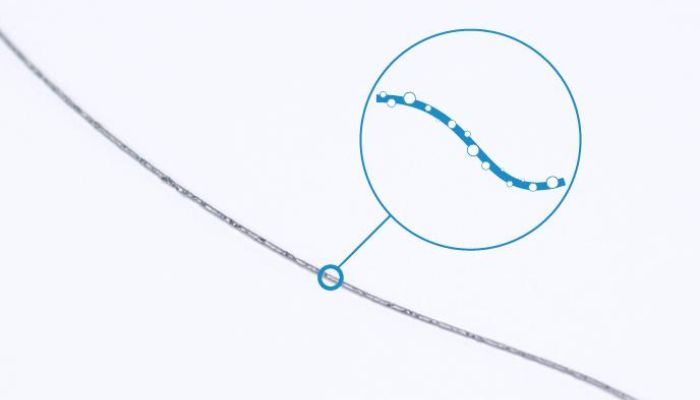
Moisture trapped in the filament (image credits: BCN3D)
Why Is It Necessary to Dry Filament?
In most cases, you can detect moisture in 3D printing filament by certain characteristics. The most obvious is the formation of water beads on the surface of your filament. But most of the time, it looks and feels just like an intact filament, and moisture can only be detected during the printing process. This can lead to under-extrusion, surface defects, filament breakage, extruder clogging, poor adhesion between layers, and, overall, brittle and fragile objects.
More from the desk
Six other notes from the rest of the bench.
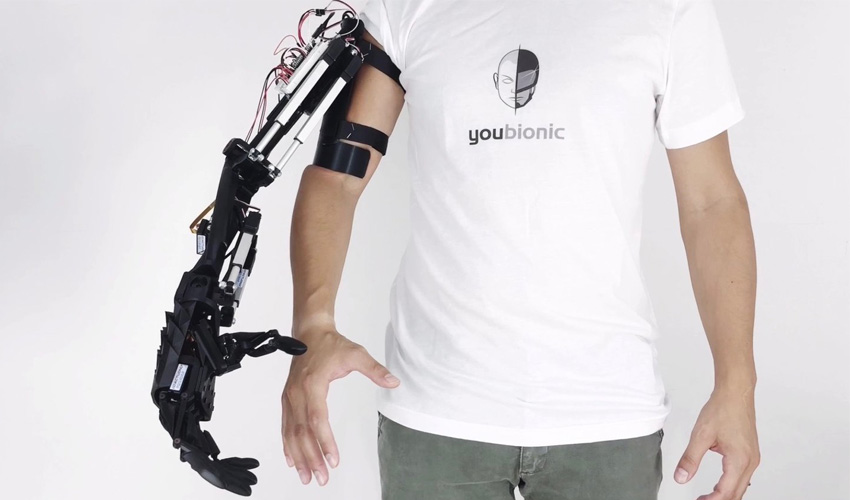 ApplicationsYoubionic and their 3D printed bionic armYoubionics is a company of Italian origin that became known a few years ago when presenting a bionic prosthesis. Which gave it a spot on our ranking of the best 3D printed prostheses. From this development they have recently unveiled their new…
 GuidesThe IAAC: Innovative 3D Printing with ArchitectureThe Institute for Advanced Architecture of Catalonia (IAAC) is a training center in Barcelona dedicated to developing sustainable architectural projects, innovating, and using the best of new technologies, including 3D printed houses. Their mission is to imagine the future of&hel
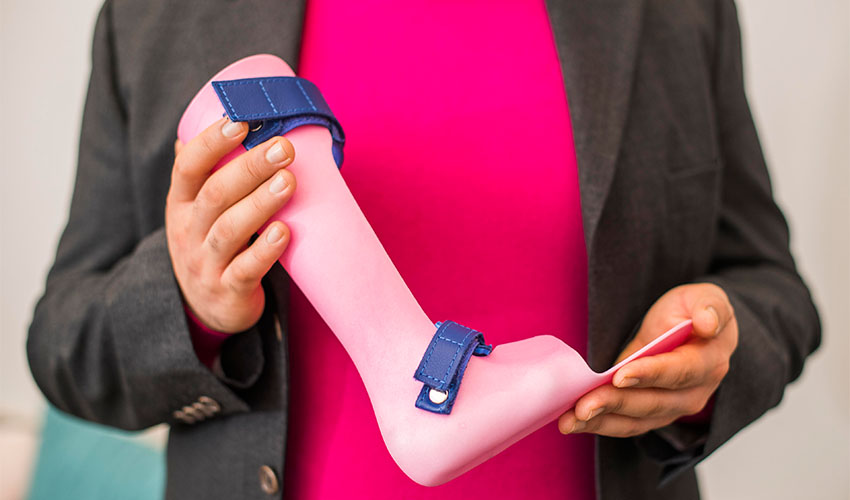 Guides#3DStartup: Andiamo on their 3D Printing & AI Platform for OrthosesOrthoses are medical devices that are made to stabilise, relieve, immobilise, guide or correct a part of the body. Since each patient is different, an efficient orthotic device should be perfectly adapted to the wearer’s body and needs, which in…
 NewsFirst 3D Printed Starbucks Coffee Bar Opens in ShanghaiStarbucks is a giant of the corporate world, with over 26,000 coffee bars worldwide as of 2017. A major source of Starbucks’ recent growth has been in Asia, especially China. Of their 2017 total, over 3,000 are in China alone,…
 MaterialsHow 3D-Printed Sustainable Packaging Meets Corporate Goals & Consumer DemandsSustainable packaging has become an end-to-end business solution, and increasingly we are seeing the possibilities for 3D printing in the sector. The 3D printing manufacturing cycle of digitally designing packaging and using environmentally conscious materials results in high-qua
 NewsFord and HP Use Recycled 3D Printing Materials to 3D Print New Auto PartsAfter the decision to once again turn to 3D printing for its manufacturing processes, Ford has joined forces with HP. The pair are set for an industry first, turning used 3D printed parts and powders into injection molded auto parts.…