News
Ford and HP Use Recycled 3D Printing Materials to 3D Print New Auto Parts
After the decision to once again turn to 3D printing for its manufacturing processes, Ford has joined forces with HP. The pair are set for an industry first, turning used 3D printed parts and powders into injection molded auto parts.…
- 3 min read
- News
- Six more stories
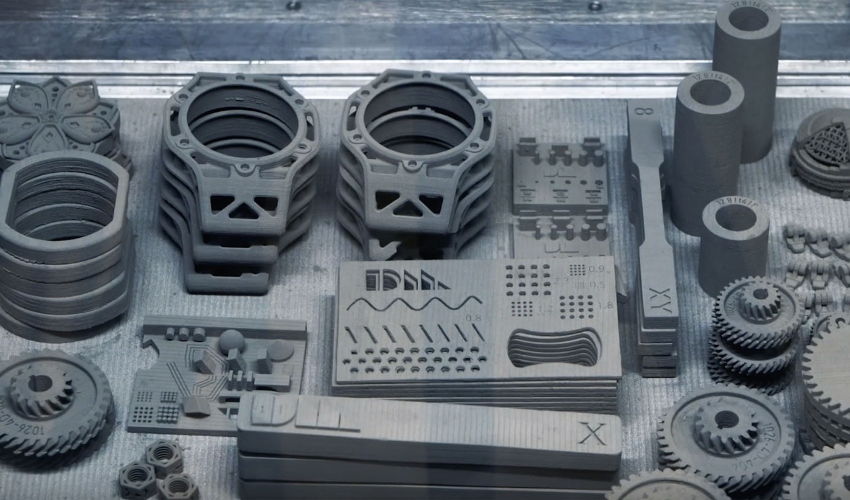
After the decision to once again turn to 3D printing for its manufacturing processes, Ford has joined forces with HP. The pair are set for an industry first, turning used 3D printed parts and powders into injection molded auto parts. While the primary importance of this feat is, of course, its reduction of the detrimental impacts 3D printing materials, in particular plastics, can have to the environment, it is also important to note that despite reusing old materials, the final parts show no compromise in durability or quality.
“Finding new ways to work with sustainable materials, reducing waste, and leading the development of the circular economy are passions at Ford,” Debbie Mielewski, Ford technical fellow, Sustainability commented. “Many companies are finding great uses for 3D printing technologies, but, together with HP, we’re the first to find a high-value application for waste powder that likely would have gone to landfill, transforming it into functional and durable auto parts.”
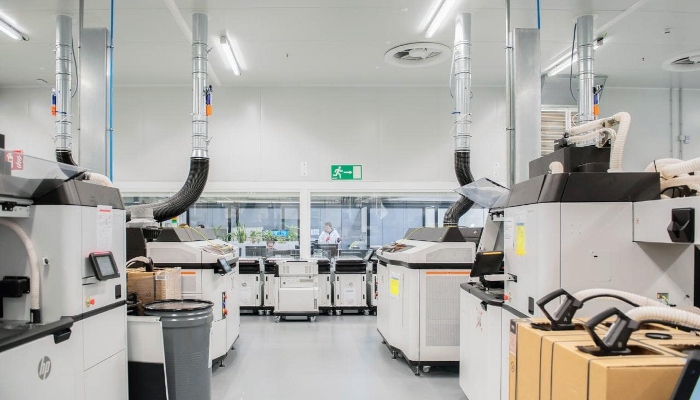
First installed on the Ford Super Duty F-250 trucks, these recycled materials are currently being used in the manufacture of injection-molded fuel-line clips. Not only do these parts meet the standard of chemical and moisture resistance offered by their conventionally manufactured counterparts but surpass them in terms of lightness (by 7%) and cost (by 10%). As such Ford’s research team have investigated which other parts may benefit of this new material and found ten other fuel line clips on existing vehicles that fit the profile.
More from the desk
Six other notes from the rest of the bench.
 PrintersDa Vinci Color mini; the desktop colour 3D printerLast year, the manufacturer XYZprinting was talking about the colour additive manufacturing market with the arrival of its new 3D printer, the Da Vinci Color, a machine that combines InkJet technology and FDM, capable of printing up to 16 million shades…
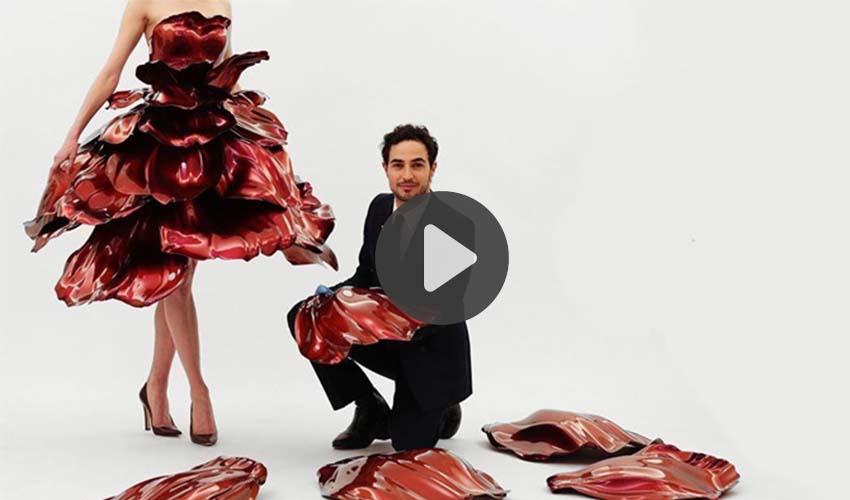 NewsTop 5 Videos of the Week: 3D printing at the Met Gala…This week we found the top 5 videos about 3D printing and the way additive manufacturing is shaping our society. The technology has infiltrated fashion, as seen by the 3D printed dresses at the Met Gala, not only this, it…
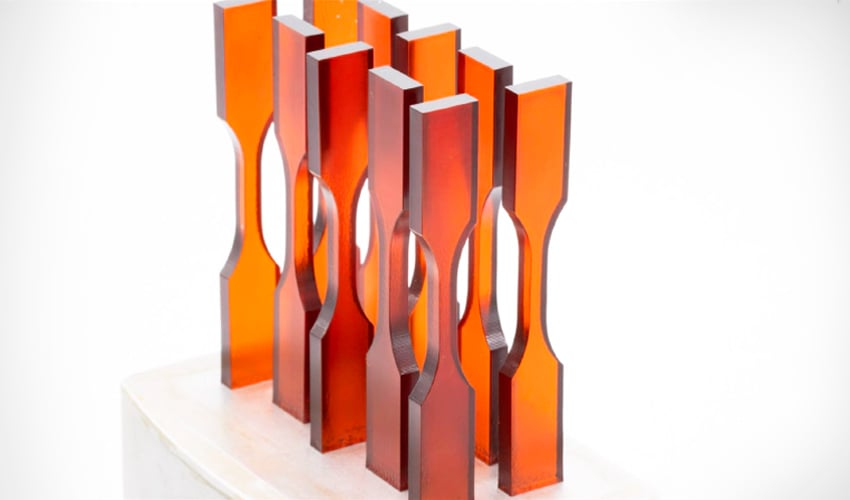 NewsIsotropy in 3D Printing: What Is It and How Does It Affect the Final Parts?If you are part of the 3D printing industry or at least somewhat familiar with the technology, you will have heard of the concept of isotropy, which is defined as uniformity in all orientations. Thus, if we apply it to…
 MaterialsScientists create healthy snacks from micro-algae 3D printingIn the food industry, 3D printing technologies are changing the way we produce and consume foods. They can help create analogues of meat products, recycle food waste, or customize the shape and properties of dishes for example. Most people being…
 MaterialsHow to Dry Your 3D Printing Filament and Avoid Moisture Build-UpThanks to its diverse benefits, 3D printing offers many opportunities for companies to break with their usual production routines and make them more efficient. But the technology does not come without its share of challenges. Many attempts fail due to…
 PrintersWhat to Look For When Purchasing an Industrial 3D Printer?More and more companies are deciding to bet on additive manufacturing technologies, as it has been clear for some years now that it is the future of manufacturing. When we talk about 3D technologies, we are not only referring to…