Materials
How 3D-Printed Sustainable Packaging Meets Corporate Goals & Consumer Demands
Sustainable packaging has become an end-to-end business solution, and increasingly we are seeing the possibilities for 3D printing in the sector. The 3D printing manufacturing cycle of digitally designing packaging and using environmentally conscious materials results in high-qua
- 3 min read
- Materials
- Six more stories
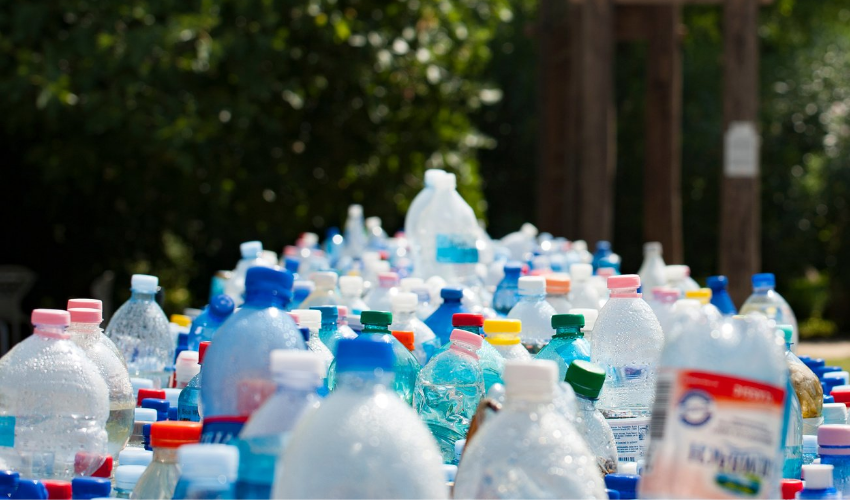
Sustainable packaging has become an end-to-end business solution, and increasingly we are seeing the possibilities for 3D printing in the sector. The 3D printing manufacturing cycle of digitally designing packaging and using environmentally conscious materials results in high-quality products that help businesses achieve their corporate sustainability goals. However, there are some pitfalls along the way. The reason people consider additive manufacturing to be a sustainable method of production is quite simple. It stems from the core tenets of environmental stewardship — reduce, reuse, recycle. In additive manufacturing (AM), also known as 3D printing, fabricating parts and products can result in 70 – 90 percent less scrap waste when compared to traditional methods of manufacturing. Furthermore, there have been many material innovations in 3D printing for the reuse of manufacturing materials as well as the recycling of waste such as plastic bottles, to create new materials. Moving away from single-use plastic, and optimizing the amount of material used in packaging production are some of the primary ways 3D printing is used to create sustainable packaging.
Globally, one of the most significant sources of waste is packaging. From consumer appliances and cosmetics to food containers and shipping supplies, there are tons of packaging waste being dumped in landfills. In the United States alone, the Environmental Protection Agency (EPA) estimates that plastic and other packaging waste makes up nearly 30 percent of the country’s total waste annually. Moreover, in 2018, China banned waste imports, with its recyclable plastics imports now down 99 percent, countries including Japan, Germany, the United Kingdom, Belgium, Spain, Italy, France, and the Netherlands are scrambling to deal with massive amounts of waste alongside struggling recycling infrastructures not designed to handle that kind of volume. In order to reduce waste and incorporate more sustainable manufacturing practices, many companies have started using 3D printing technologies to reimagine packaging.
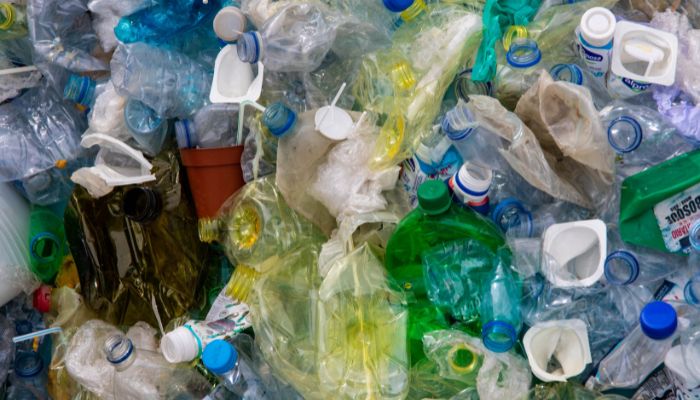
Plastic and other packaging makes up nearly 30 percent of the United States total waste annually–3D printing technologies are bringing to market alternatives to single-use plastic. (Photo Credit: Magda Ehlers/Pexels)
How is Sustainable Packaging Defined?
The term “sustainable” has morphed into a marketing buzzword that companies employ in order to signal to consumers that the product with such a label is not “harmful to the environment”. Sometimes, but not often, companies include “social responsibility” under that umbrella of sustainability — with social responsibility including fair wages and humane working conditions. For this particular examination into sustainable packaging, we are going to explore production methods (e.g. injection molding, binder jetting, etc.), machinery (e.g. ExOne M-Flex, 3D Systems ProJet), and materials (e.g. bio-based resins, wood pulp). Beyond just marketing terms and consumer preference, there also third-party organizations providing verification and certification for these 3D-printed packaging items. Toly Group, which produces 3D-printed high-end packaging for luxury cosmetics brands, enlists the services of several authorities in the sustainability space, including the ISO 14001 (environmental management system certification), CDP (Carbon Disclosure Project which compares the CO2 and CO2 equivalents of various entities), the ISCC (analyzes chain of custody of sustainable materials), and Ecovadis (corporate social responsibility including environmental issues).
More from the desk
Six other notes from the rest of the bench.
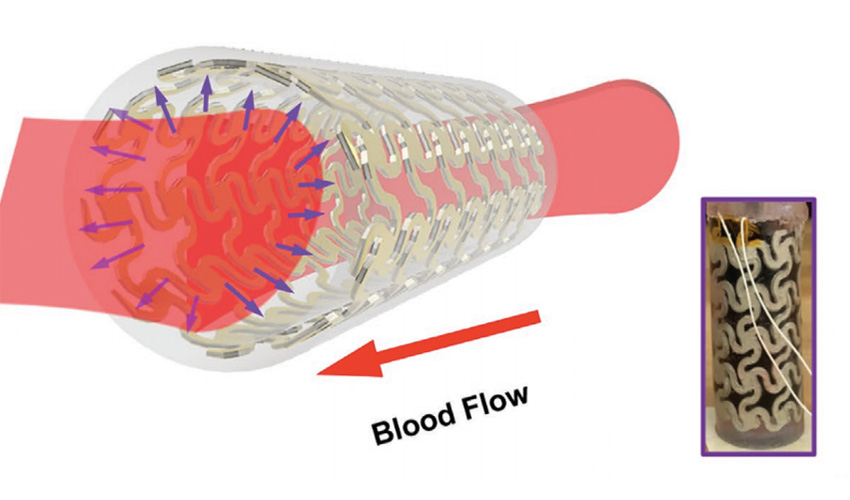 ApplicationsResearchers create 3D printed artery to monitor blood pressure remotelyAt the University of Wisconsin-Madison, scientists have developed 3D printed blood vessels that enable patients to monitor their blood pressure remotely. This is promising research given that today, when surgeons replace part of a blood vessel, the grafted vessel is…
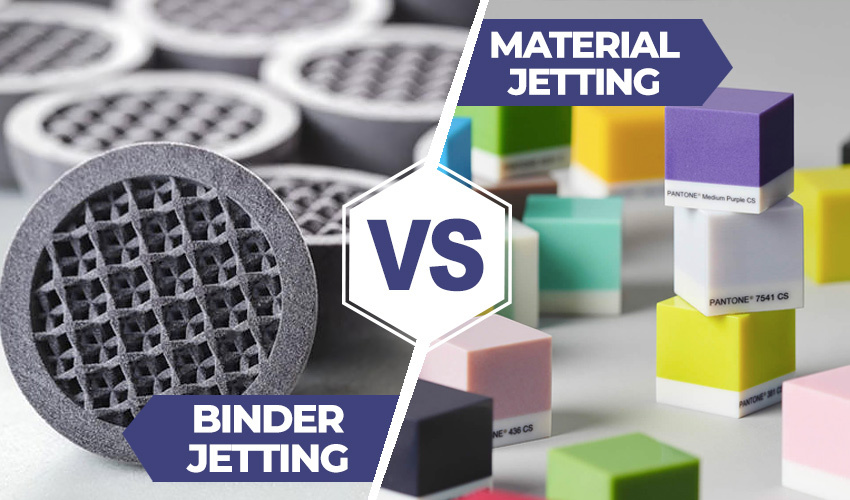 NewsMaterial Jetting vs. Binder Jetting: Which Jetting Process Should You Choose?While there are many additive manufacturing processes with a variety applications, and some can have certain similarities. For example, 3D printing technologies often overlap in areas such as materials used, the heat source used, printhead, etc. One example of this…
 MaterialsAll You Need to Know About PESU in 3D PrintingBelonging to the sulfone family, polyethersulfone, or PESU, is a high performance material which has a unique thermal profile in the world of thermoplastics. Very heat resistant, it is an amorphous polymer which, while displaying interesting properties for many industries,&hellip
 NewsSilca Is Creating 3D Printed, Titanium Derailleur Hangers for BicyclesAmong the different application sectors in which we can find additive manufacturing, there is one that stands out in particular. This is the use of 3D printing in cycling, either to create specific part or entire bicycles. Undoubtedly, this method…
 Applications3D printing bone, a way to treat fractures?At the University of Arizona, a team of scientists is working on a 3D printing process to more effectively treat fractures, especially those of the US military. Dr. Szivek, a biomedical engineer and professor of orthopedic surgery in charge of the…
 ApplicationsNew Study Examines if EU Regulations Are Stifling Medical 3D PrintingThe medical 3D printing market has grown sharply in recent years. This includes in the EU, where the overall healthcare AM market is expected to grow at a CAGR of 15.4% until 2029. Unsurprising when you consider that the European…