Printers
How to avoid 3D printing problems
3D printing can be used in many different ways, opening up previously impossible possibilities, especially in terms of design. However, these possibilities can only be fully exploited if 3D printing works the way you want it to. Unfortunately, this is…
- 3 min read
- Printers
- Six more stories
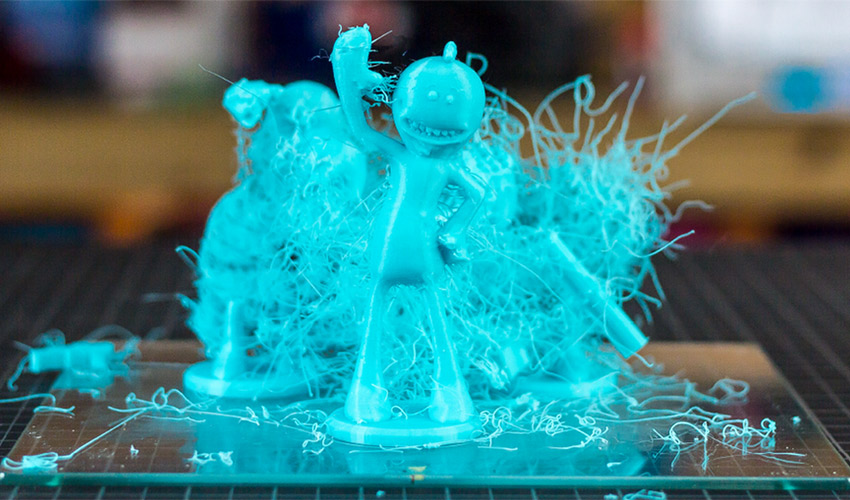
3D printing can be used in many different ways, opening up previously impossible possibilities, especially in terms of design. However, these possibilities can only be fully exploited if 3D printing works the way you want it to. Unfortunately, this is not always the case, so even the simplest models sometimes don’t want to print properly. But why this problem? Where does it come from? We have looked at the various errors or defects that a user may encounter and the associated solutions. These errors concern here only the filament-based FDM technology. Of course, there are other defects when it comes to other processes and materials. The current list of 3D printing problems is not exhaustive, we have grouped together the main challenges that users generally face.
A 3D printing problem related to the adhesion
The first layers of a print are crucial: as they form the basis of the model, it is vital that they adhere to the printing plate. If this is not the case, 3D printing may have some defects. First of all, it is important to clean the 3D printer build plate and nozzle thoroughly, as material residues can affect the print and therefore the adhesion. Also note that not all trays have the same type of surface, which can affect your printing: thermoplastics will not adhere to them in the same way. For example, a Build-Tak surface is particularly suitable for PLA printing.
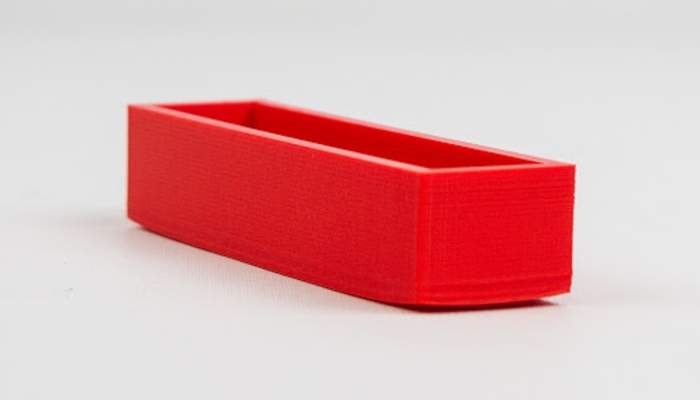
Warping can cause the part to become detached.
A first problem with 3D printing is warping, or warping due to insufficient adhesion to the plate: the corners of the printed part swell upwards, sometimes causing it to come off the plate entirely. It is particularly frequent when printing large or long parts with materials such as ABS, nylon, PEEK, etc. This is due to the fact that plastic parts often still shrink after printing when they cool down. For example, if you print ABS at 230°C and then let it cool down to room temperature, it shrinks by almost 1.5%. The use of a heating plate is then strongly recommended, as it keeps the filament at the glass transition temperature and reduces the contraction. The optimal temperature of the printing plate is usually found on the filament package.
More from the desk
Six other notes from the rest of the bench.
 ApplicationsNASA’s Artemis Project Will Include a 3D Printed Lunar BunkerNASA is once again turning to 3D printing to help it in its upcoming Artemis Mission, this time through a collaboration with AI Space Factory. In the project, AI Space Factory will be creating a 3D printed base camp (named…
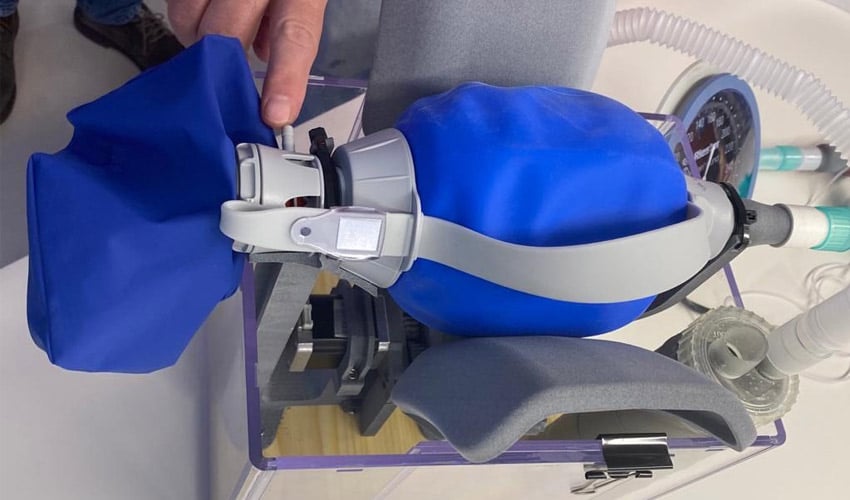 NewsMedically approved emergency 3D printed ventilator goes into productionIn Spain, the first 3D printed respirator has just been developed and approved by medical experts. In order to support hospitals and intensive care units in the face of the current health crisis, the consortium comprising Consorci de la Zona…
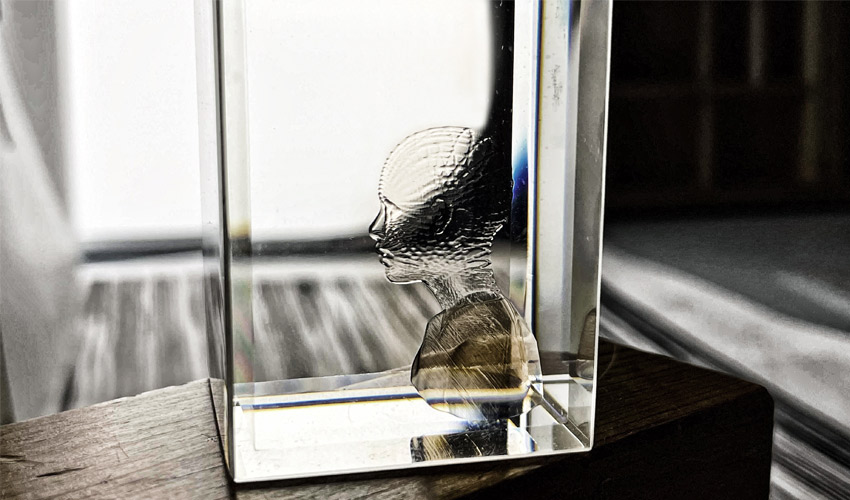 Guides#3DStartup: Xolo and Volumetric 3D PrintingLast December, we presented xube, a compact 3D printer capable of printing parts in just a few seconds thanks to a volumetric printing process. Behind this innovation, is the young company Xolo. Based in Germany, it intends to change the…
 ApplicationsAmerican 3D Printers to Speed Up Repairs on Ukraine’s Front LinesIn Ukraine’s continued fight against Russia, the use of 3D printers has taken on an ever-growing role. The transportable, on-site, on-demand nature of additive manufacturing has proven to be a real boost to the Ukrainian war effort. Applications are varied…
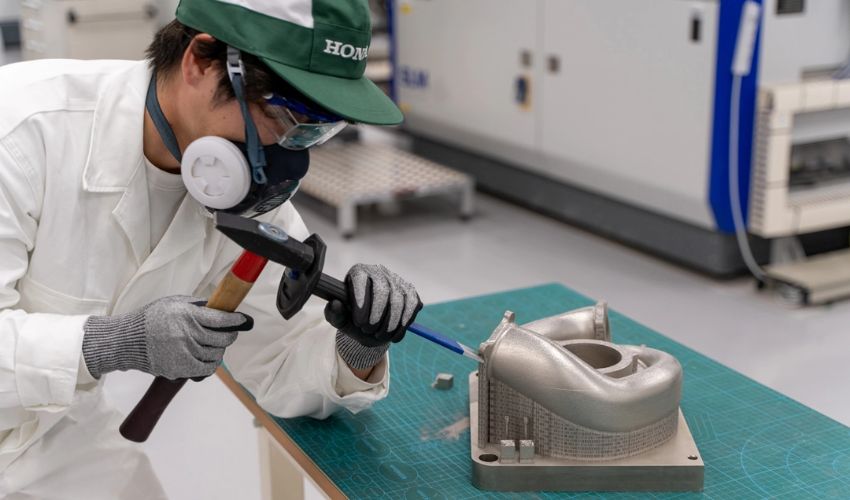 ApplicationsHonda Is Leveraging (and Improving!) Laser Powder Bed Fusion for TransportationJapanese car manufacturer Honda recently revealed how it uses 3D printing to increase efficiency. The company’s technology of choice? Laser powder bed fusion (LPBF). This metal additive manufacturing technology can create complex geometries that are impossible to achieve th
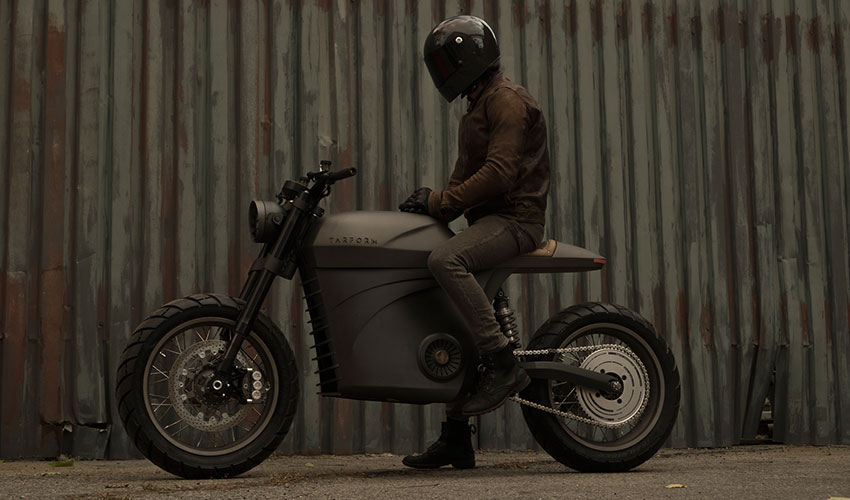 ApplicationsTarform Motorcycles, developing electric motorcycles thanks to 3D printingTarform Motorcycles is a Brooklyn-based startup that specializes in motorcycle development using new technologies. And it’s no surprise that 3D printing is part of the deal. The objective of the company is to design motorcycles based on the latest trends…