News
How Is 3D Printing Changing the Wind Energy Sector?
The growing use of 3D printing is spreading across a variety of sectors, with more and more companies recognizing its benefits in manufacturing processes. The energy sector is no exception. According to a report from Additive Manufacturing Research, the 3D…
- 3 min read
- News
- Six more stories

The growing use of 3D printing is spreading across a variety of sectors, with more and more companies recognizing its benefits in manufacturing processes. The energy sector is no exception. According to a report from Additive Manufacturing Research, the 3D printing market in this sector is expected to reach €17 billion by 2032. 3D printing is notably expected to play a crucial role in the development and maintenance of essential wind energy equipment.
Market players are increasingly recognizing the advantages of 3D printing in the field of renewable energies, particularly wind power. This technology offers the possibility of reducing production costs, while allowing size customization to the specific needs of each location. What’s more, the challenges posed by traditional methods of manufacturing wind turbines are well known: blades are generally made from glass-fiber reinforced plastic, a material that is difficult to recycle.

Photo Credits: GE General Electric
The 3D Printing Processes and Materials Used
Among the 3D printing techniques most commonly used in the wind energy sector, FDM technology has a notable place. This method is often chosen for the manufacture of prototypes and parts. Another widely used method is SLS with materials like nylon. Advantages of this approach include the stability of prototypes and finished products, as well as the production of wind energy components, particularly suited to small parts. In addition, binder jetting is also frequently employed.
More from the desk
Six other notes from the rest of the bench.
 NewsCornell Researchers Have 3D Printed a SuperconductorCornell University researchers recently announced that they have created a new way to 3D print superconductors that deliver record-setting performance. Their method was recently published in the ‘Nature Communications’ journal, and specifically uses a one-step printin
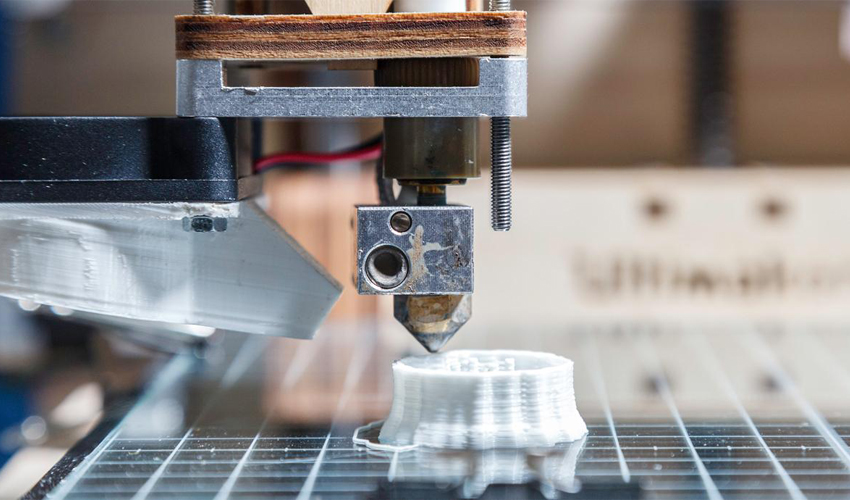 NewsWhat is the Forecast of Additive Manufacturing by 2022?Arizton – Advisory and Intelligence is an American consulting firm that recently published a study on the global outlook and forecasts for additive manufacturing. Following the recent Gartner Report, the report provides a global view of the market in terms…
 Applications3D Printed Attachment Turns Smartphone Into Blood Pressure MonitorAccording to the Centers for Disease Control and Prevention (CDC), hypertension was a primary or contributing cause of 691,095 deaths in the United States in 2021. Moreover, nearly half of all adults in the US, about 116 million individuals, have…
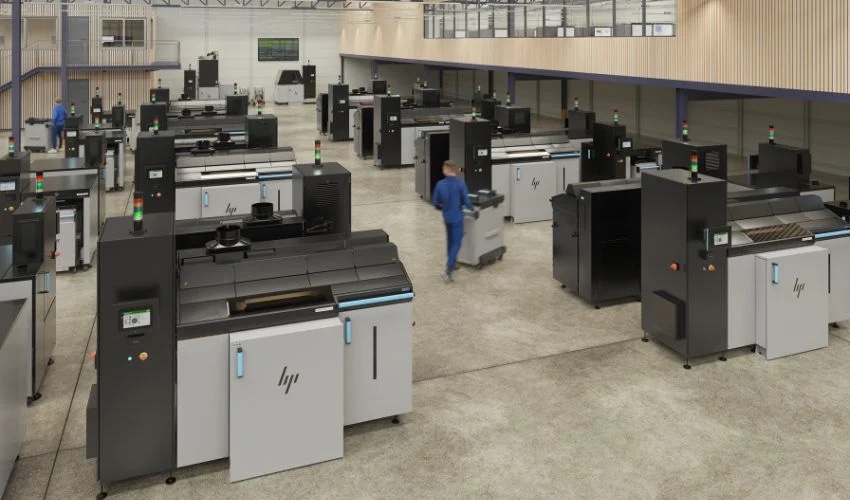 NewsHP Is Showcasing New HP Metal Jet S100 Solution and HP Jet Fusion 5400 Series at FormnextAt Formnext, both users and exhibitors are able to enjoy a place where all innovations in the field of additive manufacturing can be found: from materials to 3D printers and 3D scanners to post-processing and software solutions, everything is present!…
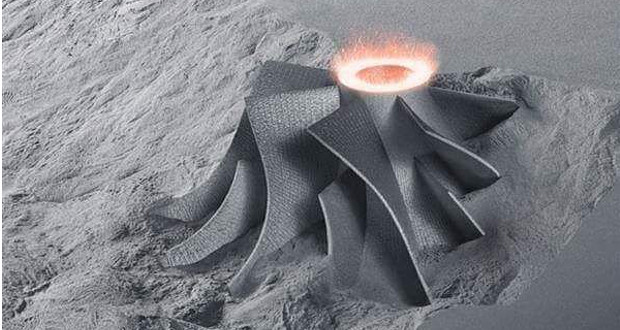 NewsGE and ATI form partnership to create a meltless metal for AMMetal 3D printing is a staple in the 3D printing industry; bringing new innovations and a newfound home in sectors such as aerospace and defense or marine and boating. Continuing in this trend of pushing the seemingly limitless boundaries of 3D printing…
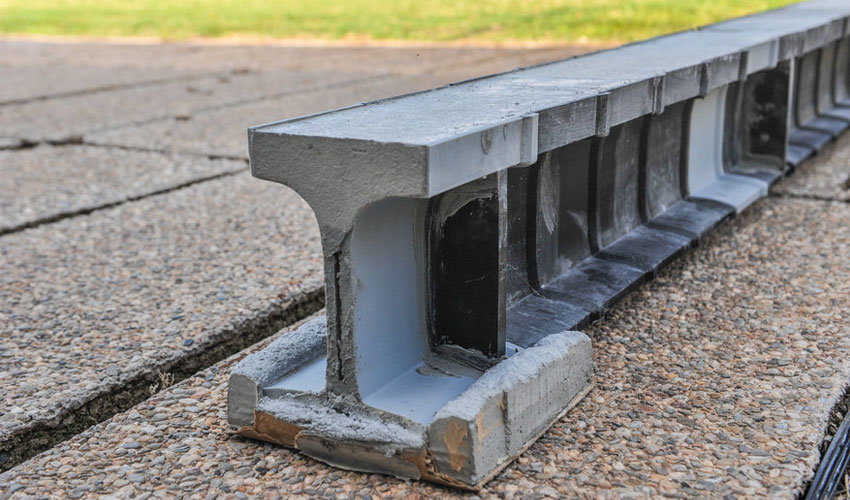 News3D Printed Beams Made From Recycled Plastic Replace Reinforced ConcreteA team from the Polytechnic University of Valencia (UPV) has developed an alternative to the reinforced concrete beams used in the construction sector. By using additive manufacturing, they have designed beams made of recycled plastic. The result is a drastic…