Applications
3D Printed Attachment Turns Smartphone Into Blood Pressure Monitor
According to the Centers for Disease Control and Prevention (CDC), hypertension was a primary or contributing cause of 691,095 deaths in the United States in 2021. Moreover, nearly half of all adults in the US, about 116 million individuals, have…
- 3 min read
- Applications
- Six more stories
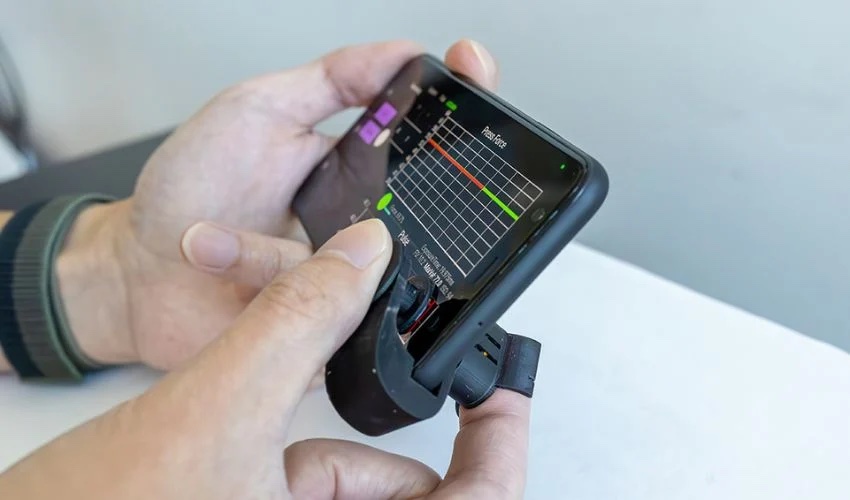
According to the Centers for Disease Control and Prevention (CDC), hypertension was a primary or contributing cause of 691,095 deaths in the United States in 2021. Moreover, nearly half of all adults in the US, about 116 million individuals, have hypertension, commonly referred to as high blood pressure. And tracking is critical to ensuring the health of these patients. As such, researchers at the University of California San Diego have now developed a new method to make it easier and, above all, more affordable to monitor blood pressure. Using additive manufacturing, the team produced an attachment for smartphones that makes it possible to measure blood pressure at the user’s fingertip.
To do this, the 3D-printed plastic attachment is attached like a clip over the smartphone’s camera and flash. When the user presses the attachment, the smartphone’s flash shines onto the fingertip and is projected onto the camera through a pinhead-sized channel as an image of a red circle. Inside the attachment, a spring allows the user to apply varying amounts of force, with the red circle getting larger the harder the user presses on the attachment. The process is done with a specially developed app that reads two important pieces of information from the user’s individual red circle. The amount of pressure exerted by the fingertip is measured by the size of the circle, while the brightness of the circle measures the amount of blood flowing through the fingertip. Finally, the smartphone application’s algorithm is able to convert this information into systolic and diastolic blood pressure values.
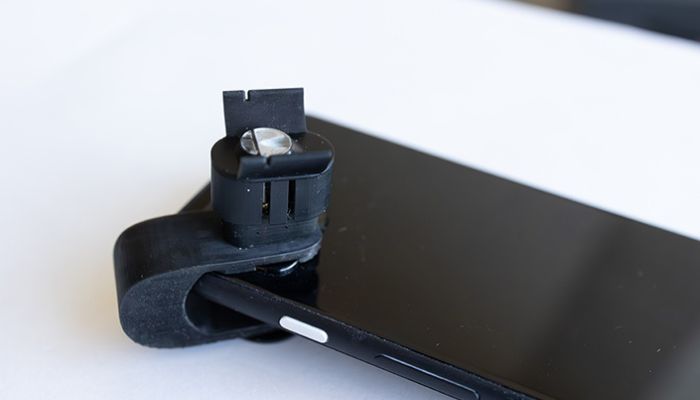
The attachment is attached to the smartphone like a clip.
“Using a standard blood pressure cuff can be awkward to put on correctly, and this solution has the potential to make it easier for older adults to self-monitor blood pressure,” further explained study co-author and medical fellow Alison Moore, chief of the UCSD School of Medicine’s Division of Geriatrics. The research team has already tested the essay on 24 volunteers at UC San Diego Medical Center and their results were comparable to those of a traditional blood pressure cuff.
More from the desk
Six other notes from the rest of the bench.
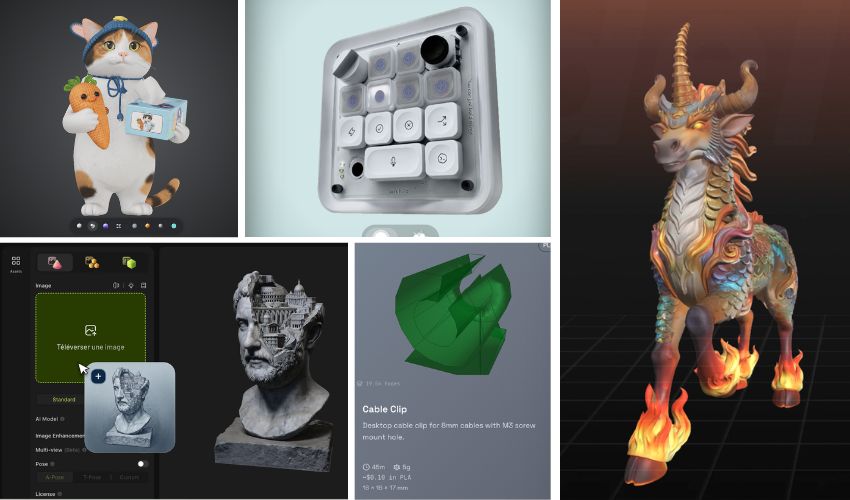 SoftwareThe Top AI 3D Model Generators for 3D PrintingOne of the most intimidating aspects of 3D printing can be the software element. If you can’t find a pre-designed 3D model that suits your needs, you might have to create your own, and making your own 3D design is…
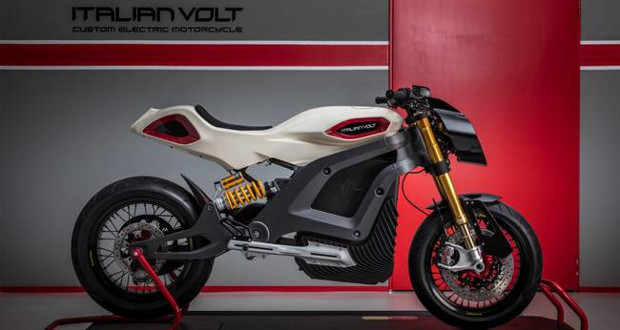 ApplicationsItalian Volt have unveiled their 3D printed electric motorcycleItalian Volt is an Italian company that manufactures customizable electric motorcycles (such as the Lacama), by using 3D printing. Different styles, shapes and colors are offered thanks to 3D printing manufacturing, as it offers greater possibilities in terms of the personalizati
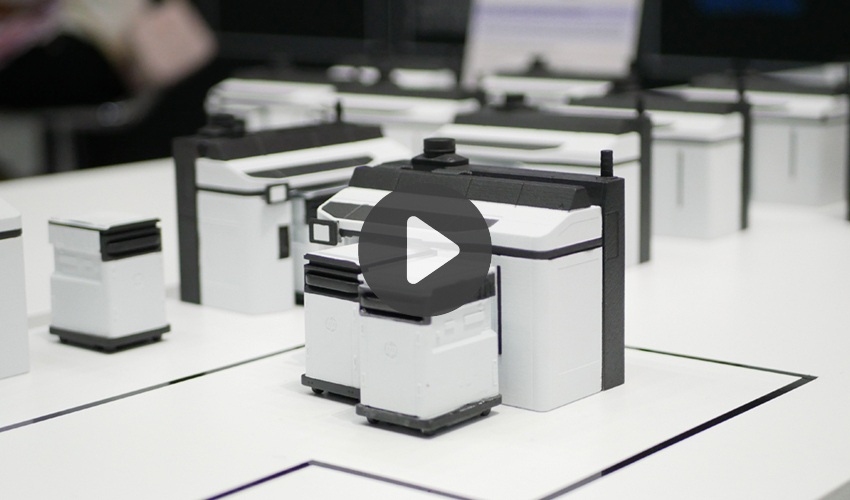 GuidesHP on the Application and Scaling of MJF TechnologyWe are once again on the road to Frankfurt visiting Formnext in order to bring you the latest news from the additive manufacturing world. Of course, when visiting the halls of the expo, the HP booth is always an interesting…
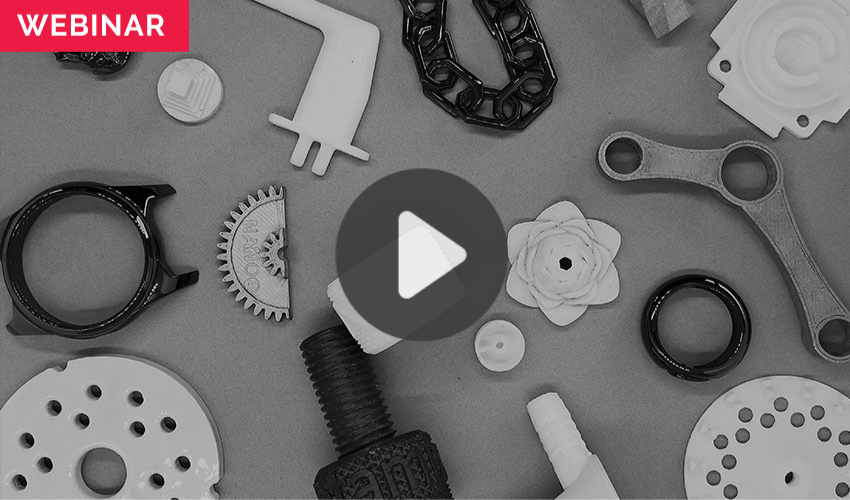 NewsWEBINAR: How Can You Use FDM to Print Ceramics and Metals?When most people think of 3D printing, the process that comes to mind is FDM, or Fused Deposition Modeling. An extrusion-based method, FDM requires just a build plate, an extruder (or multiple) and a filament for users to print their…
 NewsA wedding in the sign of 3D printingHave you ever imagined a 3D printed wedding? That’s the idea of Erin Winick, this young bride who works for the MIT Technology Review. She turned to 3D technologies to significantly reduce the cost of her wedding and thus create the most accessories possible,…
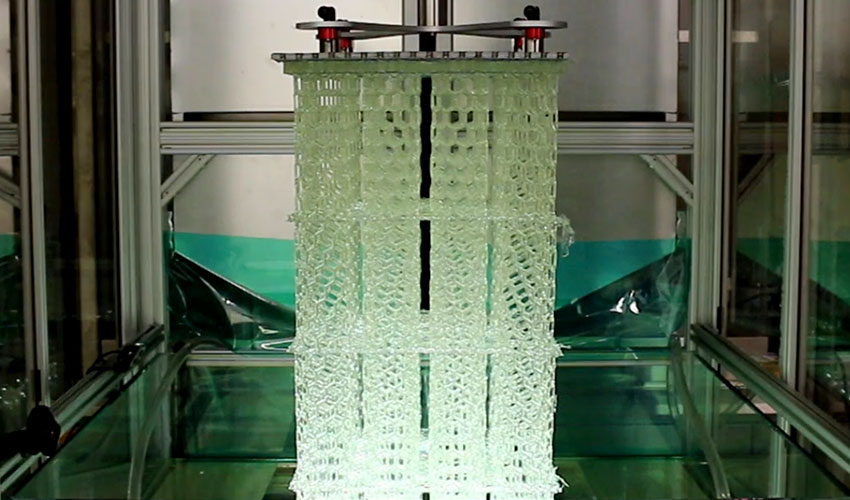 Guides#3Dstartup: Azul 3D and its ultra-fast large format resin 3D printerResin 3D printing processes are now among the most widely used in the additive manufacturing market, offering high precision and resolution. One of the challenges this process still faces, however, is the limited size of the build plate and printing…