Applications
General Motors Uses 3D Printing for New Concept Chevrolet Corvette
Additive manufacturing is widely used in the automotive industry, from the exterior and interior design of a vehicle to improvements in production processes. This is because complex components can often be produced more easily with additive technologies than with conventional&hel
- 3 min read
- Applications
- Six more stories

Additive manufacturing is widely used in the automotive industry, from the exterior and interior design of a vehicle to improvements in production processes. This is because complex components can often be produced more easily with additive technologies than with conventional manufacturing techniques. Furthermore, 3D printing allows users to try out digital designs using a test print, test and improve this prototype and quickly implement it in reality. This has been clearly shown with the new Chevrolet Corvette concept car from General Motors at the brand’s new UK design studio, which shows what car drivers can expect from vehicles in the future.
The automotive manufacturer General Motors has been using additive manufacturing in numerous application areas for almost 30 years – for example, it supports design processes, product and material construction, vehicle manufacturing and aftersales in order to print certain components directly for customers. Specifically, General Motors produces early prototypes using 3D printing technologies, as well as tools and accessories to simplify production. This also enables cost-saving and sustainable production of components.

New design studio for General Motors in Birmingham
3D printing is also being used in General Motors’ brand new Global Design Studio in Birmingham, where it is now possible to see the team’s first results: a futuristic concept design of the Chevrolet Corvette model. The new team is explicitly responsible for the innovative concept design of future General Motors vehicles. They are to actively shape “the future of mobility” and specifically form our ideas of what vehicles could look like in ten or even 20 years’ time.
More from the desk
Six other notes from the rest of the bench.
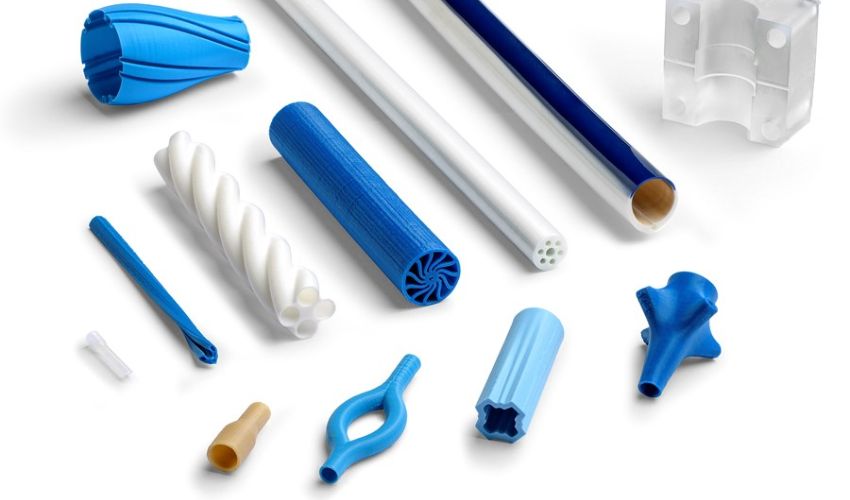 Materials3D Printing Plastics: Complete Materials Guide 20263D printer plastic is the most widely used material category in additive manufacturing, available in filament, powder, and resin form across a range of technologies. The 3D printing plastics market is projected to grow from USD $2.36 billion in 2025…
 NewsTop 5 Videos: ScanTech’s New Portable Scanner, SimScan, and more!In this week’s selection of top 5 videos about 3D printing, we introduce to SimScan, the all new portable 3D scanner from ScanTech, currently the only palm-sized scanner available on the market. Next up is MINI’s brand new, and partially…
 NewsTop 5 Videos: A 3D Platform for Creating RobotsThis week we are introducing you to LaserFactory. This manufacturing solution uses a laser beam machine to create robots, drones and other types of electronic devices, completely autonomously. This is an industry 4.0 system that may well in the future…
 News#TOP5 videos: 3D Fashion printing, Cartilage bio-printing and much more!We found the TOP 5 videos of the week related to 3D printing and collected the additive manufacturing here. Share your videos and comment on the article below or on the 3Dnatives’ Facebook or Twitter account. Hope you’ll enjoy and…
 ApplicationsRenishaw partners with IMR and nTopology to 3D print spinal implantsRenishaw announced not too long ago that it will be collaborating with Irish Manufacturing Research (IMR) and nTopology to demonstrate the advantages of additive manufacturing in the production of spinal implants. This collaboration also aims to show how much more…
 PrintersQuantum X, the new cutting-edge system for microfabricationMicrofabrication is an emerging segment of additive manufacturing that will open the door to a number of very promising applications. There are not many companies in this field, however we have observed the last few months that these players are…