Guides
#3DStartup: Gastronology’s 3D-Printed Food Can Help Patients With Eating Difficulties
Food is a basic fact of human life, and global trade means most people can enjoy cuisines and options from all over the world. However, not everyone can benefit from the rich variety of food available to us. What happens…
- 3 min read
- Guides
- Six more stories
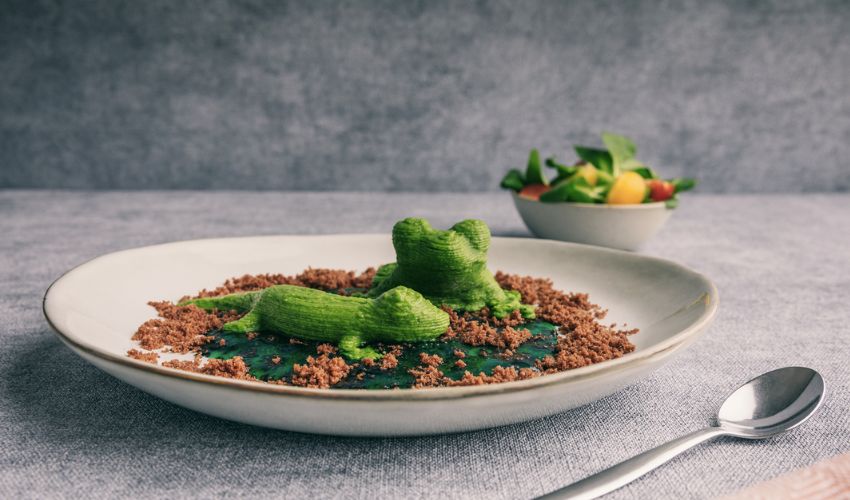
Food is a basic fact of human life, and global trade means most people can enjoy cuisines and options from all over the world. However, not everyone can benefit from the rich variety of food available to us. What happens when eating is not so simple? For patients with dysphagia (the medical term for difficulty swallowing), meal times can be difficult and alternatives must be found to make food easier to consume. One company working on a solution is Gastronology, a Dutch firm founded in 2019 by Peter Nieuwkerk. The company develops 3D-printed food for these patients which is tasty and visually appealing, aiming to make meals a pleasure by replacing bland, blended options currently on the market. To find out more about their projects, we spoke to CEO Peter Niewkerk.
3DN: Could You Introduce Yourself and Tell Us More About Gastronology?
My name is Peter Nieuwkerk, and I founded Gastronology 3D Food Works in 2019. Gastronology 3D Food Works develops and produces food products based on the technique of 3D food printing. It builds on 3 pilars: recipe development, 3D modelling and development of industrial scale food printing. All recipes are developed by Masterchef Eugène Swalen. I have a long and reputable state of work with the Budelpack Group, an innovative company focusing on the co-packing of food products for multinationals like Mars-Wrigley, Nestlé, Unilever, KraftHeinz as well as many local jewel companies.
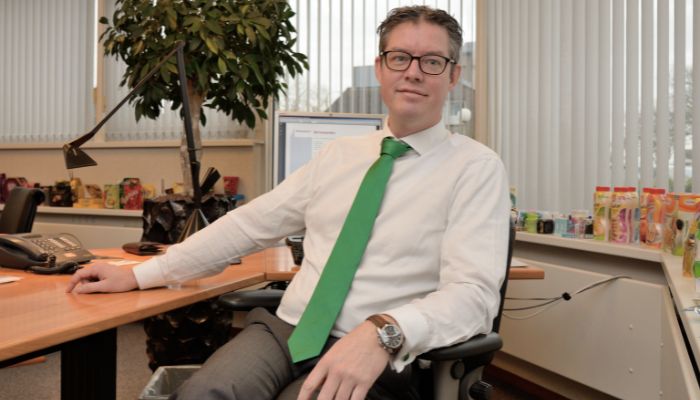
Peter Nieuwkerk is the CEO of Gastronology
Gastronology’s products are 3D printed food products, which are being sold frozen and packed. Our production process is as follows: In December 2022, construction started of a special ‘3D food print’ production site in Poortvliet (the Netherlands). The production process consists of a five-step process: processing (purée production), 3D food printing on an industrial scale in a conditioned room of a maximum of 6 degrees Celsius, a shock-freeze process, packaging in a similarly conditioned room and deep-freeze storage (-20 degrees Celsius). Food-safe production is a key factor in all these steps. That is why the complete installation will be equipped with a state-of-the-art Clean-In-Place system (CIP). The production site is expected to be open in the next few weeks, and the finished products will just need heating up.
More from the desk
Six other notes from the rest of the bench.
 GuidesInside GLB’s Mission to Make Industrial Metal 3D Printing AccessibleWith a presence in more than 60 countries and over 80 agents worldwide, GLB has quickly become one of the fastest-growing names in metal additive manufacturing. Based in Jiangsu, China, the company combines independently developed selective laser melting (SLM) systems…
 NewsCould Termites Make 3D Printed Buildings More Energy Efficient?Could it be possible to build more energy-efficient 3D-printed buildings using what we know about termites? Possibly, if researchers at Lund University in Sweden and Nottingham Trent University in England are to be believed. While studying the termite mounds of…
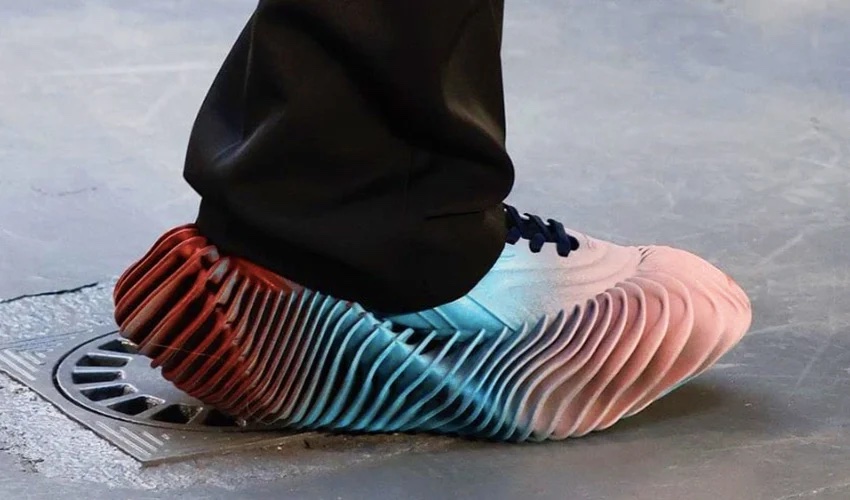 NewsReebok and Botter Have Unveiled a 3D Printed ShoeFrom January 17th to 26th, the city of Paris is welcoming the whole world to participate in the iconic Paris Fashion Week. This internationally known event is an opportunity for major brands to present their latest creations for the spring-summer…
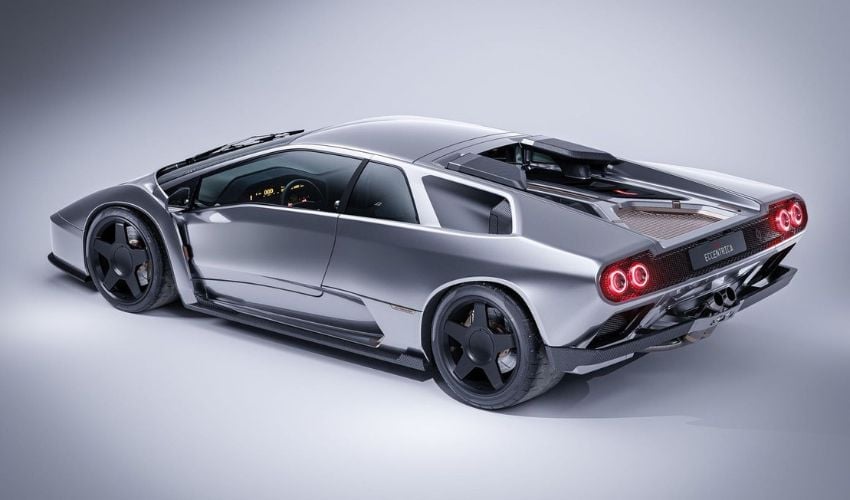 ApplicationsLamborghini’s Iconic Diablo Eccentrica Features 3D Printed TitaniumEmerging from the San Marino startup Eccentrica Cars, the genesis of this innovation lies in the restoration of a classic car, namely the Diablo Eccentrica. This inaugural restomod project, drawing inspiration from the iconic Lamborghini Diablo of the 90s, is…
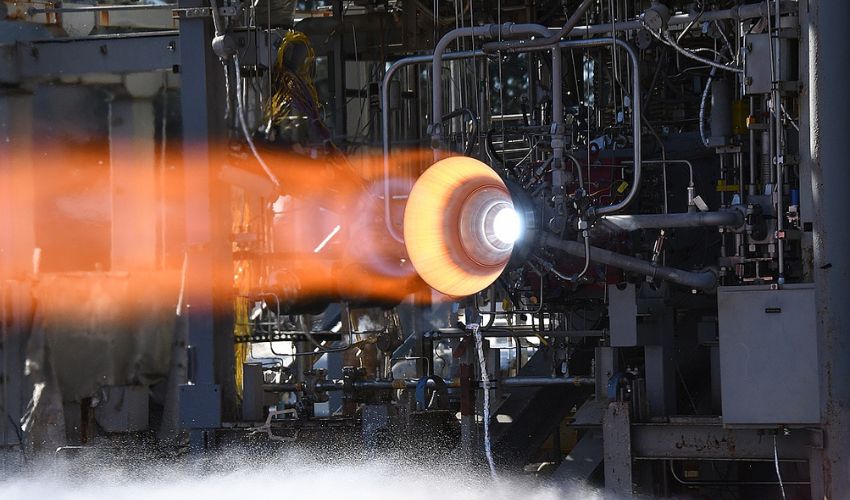 GuidesNASA Engineers on the Importance of Metal Additive Manufacturing for PropulsionFor some time now, NASA has been using 3D printing for everything from prototyping to end-use parts. In fact, it’s use has become so widespread, that the organization is becoming one of the leaders in research into the use of…
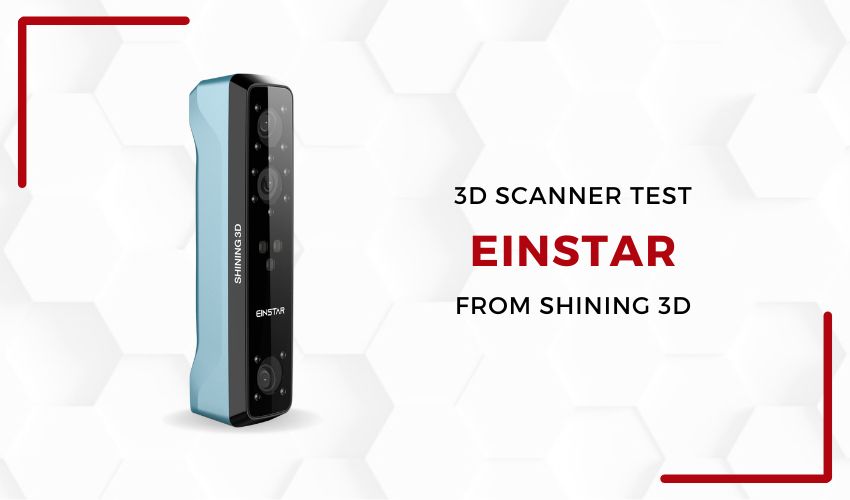 Printers3Dnatives Lab: Testing the Einstar 3D Scanner From SHINING 3DFounded in 2004, SHINING 3D is a Chinese manufacturer of both 3D printers and 3D scanners. With a particular focus on the medical and dental sectors, the brand has grown internationally in recent years and now has offices in China,…