Guides
NASA Engineers on the Importance of Metal Additive Manufacturing for Propulsion
For some time now, NASA has been using 3D printing for everything from prototyping to end-use parts. In fact, it’s use has become so widespread, that the organization is becoming one of the leaders in research into the use of…
- 3 min read
- Guides
- Six more stories
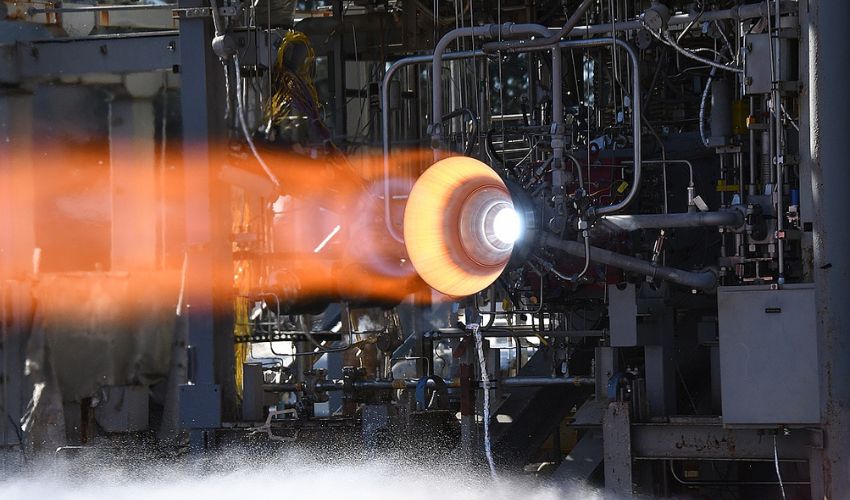
For some time now, NASA has been using 3D printing for everything from prototyping to end-use parts. In fact, it’s use has become so widespread, that the organization is becoming one of the leaders in research into the use of metal additive manufacturing especially for a variety of applications. This has been proven as well by a book released by four employees of NASA that aims to guide the adoption of metal AM specifically for propulsion applications. Aptly named Metal Additive Manufacturing for Propulsion Applications, we spoke to the authors to learn more about the use of metal 3D printing at NASA as well as what readers can expect in the book itself. Note as well, that you can register HERE for our giveaway where 10 lucky winners will receive their own free copy of the book (until June 10th).
3DN: Could you introduce yourselves and your connection to 3D printing?
We are all employees of NASA Marshall Space Flight Center in Huntsville, Alabama, United States. Paul Gradl is a principal engineer working the design, development, analysis, manufacturing and testing of liquid rocket engines. He serves as a principal investigator for several projects focused on metal additive manufacturing (AM) using new processes, novel materials, and design complexities for rocket engines. He has worked in additive for nearly two decades with some of the early powder bed fusion machines and has collaborated with various commercial partners to evolve several metal AM materials and processes into flight.
Omar Mireles is an additive manufacture research and development engineer. He serves as principal investigator for numerous additive manufacturing R&D projects including refractory metal additive manufacture maturation efforts, and infusion of additive manufacture into propulsion, cryogenic fluid management, and space nuclear power and propulsion systems. He has over 20 years of experience in design, manufacturing, post-processing, materials characterization, and testing.
More from the desk
Six other notes from the rest of the bench.
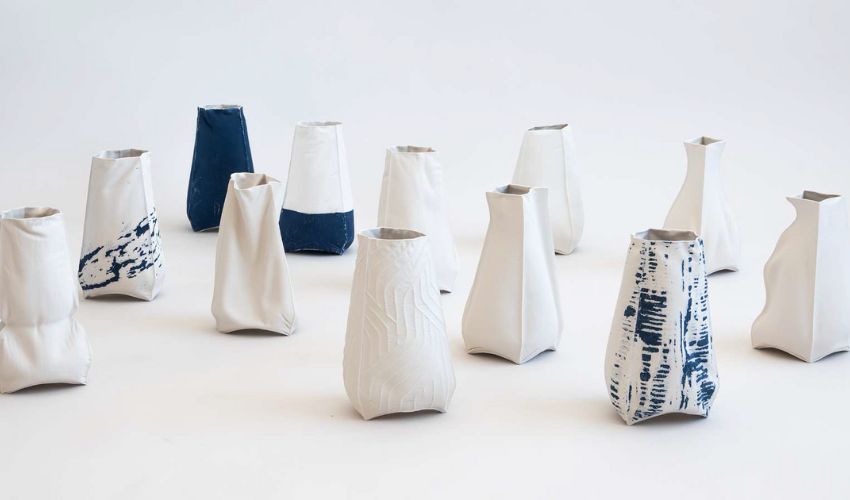 News3D Printing and Fabrics: The Unique Design Process Behind the Forma Fabrica Vase CollectionWith the ever-broadening use of additive manufacturing, the role of the 3D printer has spread from the factory floor to the art studio and beyond, with the 3D printer serving as a medium through which new artistic, conceptual and cultural…
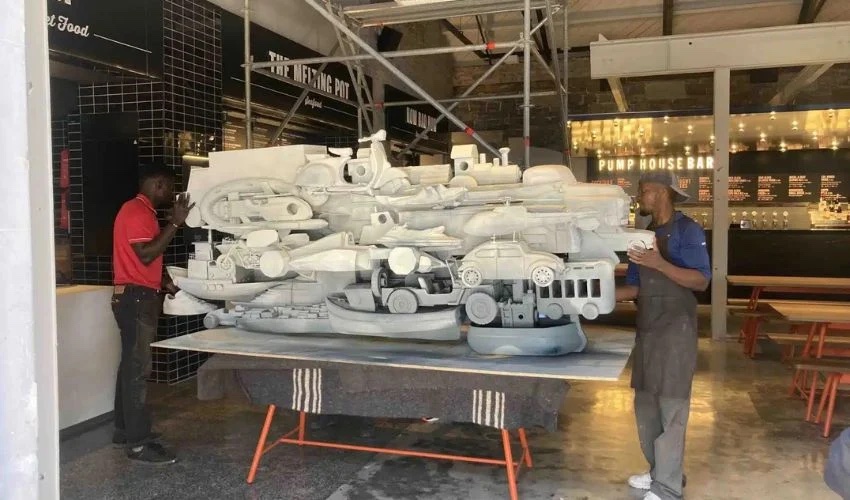 NewsSculpture Designed by Atang Tshikare 3D Printed in Only 20 Days3D printing never ceases to amaze us with its various applications. Many of them allow us to let our imagination run wild and make our thoughts and ideas come true. One area where this is clearly reflected is in art…
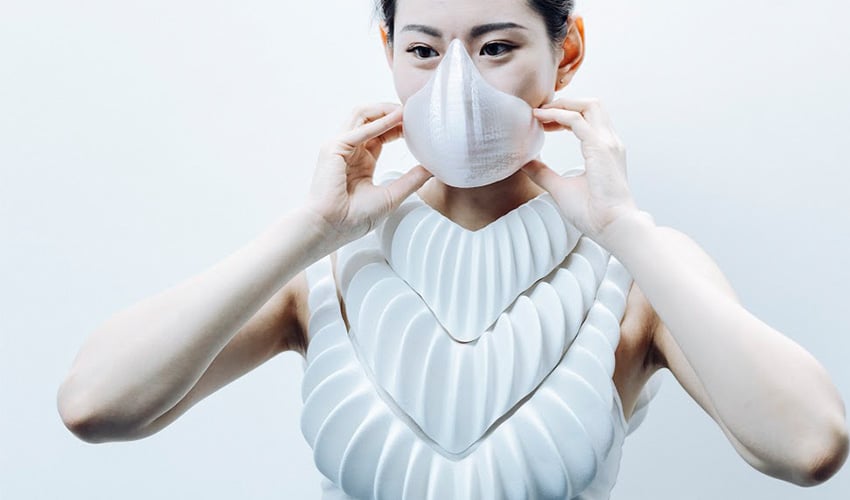 NewsAmphibio; the 3D printed gills that will allow us to breathe under waterJun Kamei is a Japanese designer specialising in biomimic design and materials. A few months ago he presented Amphibio, his final project for the Art Royal College in London, with three 3D printed “gills” for our future underwater. Will this make is possible…
 NewsSolvay, L’Oréal and Ultimaker Join Forces For 3D Printing Design CompetitionFor Solvay’s 3rd Annual Additive Manufacturing Cup, the company is joining forces with L’Oréal, the world’s beauty leader, and Ultimaker, a global leader in professional 3D printing, to challenge students, engineers, and creators from around the world to create innovative…
 NewsBiohybrid Jellyfish to Push Boundaries of Deep-Sea ExplorationExploring the mysteries of the ocean depths has long been an irresistible challenge for scientists. Like the vastness of space, the ocean remains largely uncharted territory, with its depths holding valuable information that could provide important insights into our planet’
 MaterialsAre powders a barrier to the development of metal additive manufacturing?Equispheres is a Canadian company that specialises in the development of metal powders, particularly for additive manufacturing technologies such as laser powder bed fusion or cold spray. Drawing on its experience on the market, Equispheres recently conducted a study investigatin