Printers
Intamsys showcased the FUNMAT PRO 610 HT for the first time in Europe during Formnext
We told you before about INTAMSYS and its additive manufacturing solutions for PEEK and other high-performance functional materials such as PEKK, ULTEM and PPSU. When we interviewed the Co-Founder and CEO of the company based in Shanghai, Charles Han, he…
- 3 min read
- Printers
- Six more stories
We told you before about INTAMSYS and its additive manufacturing solutions for PEEK and other high-performance functional materials such as PEKK, ULTEM and PPSU. When we interviewed the Co-Founder and CEO of the company based in Shanghai, Charles Han, he explained to us that some manufacturing requirements can only be met by HPPs (high-performance polymers) as these materials have special properties such as high-temperature resistance, acid resistance and biocompatibility, enabling use in critical requirement applications.
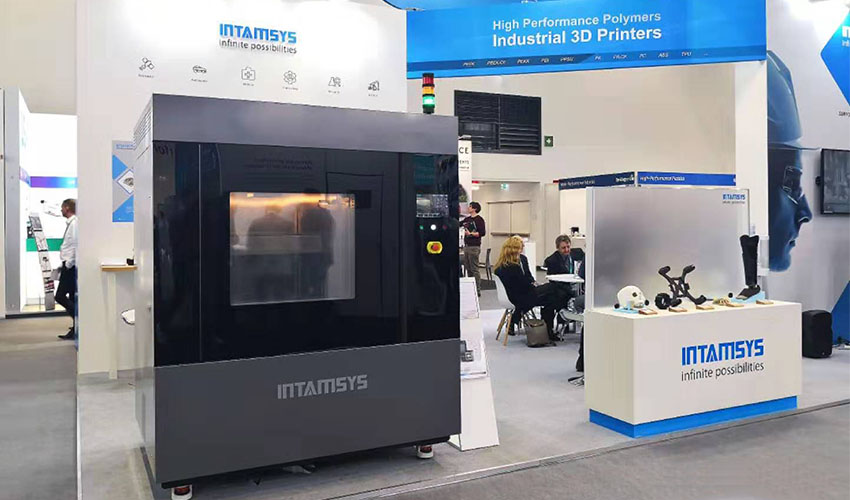
Of course, INTAMSYS was present during the largest fair for additive manufacturing in Germany, Formnext. During the event, the company showcased for the first time in Europe its FUNMAT PRO 610 HT solution. Similarly to its other solutions, this machine has been designed to handle high-performance materials such as PEEK, PEKK, ULTEM and more. The manufacturer guarantees that warpage will not be an issue with this machine thanks to a dual nozzle that can reach 500 °C and a heated chamber of 300 °C. Additionally, the FUNMAT PRO 610 HT boasts a build volume of 610 x 508 x 508mm for the creation of large parts.
Credits: INTAMSYS
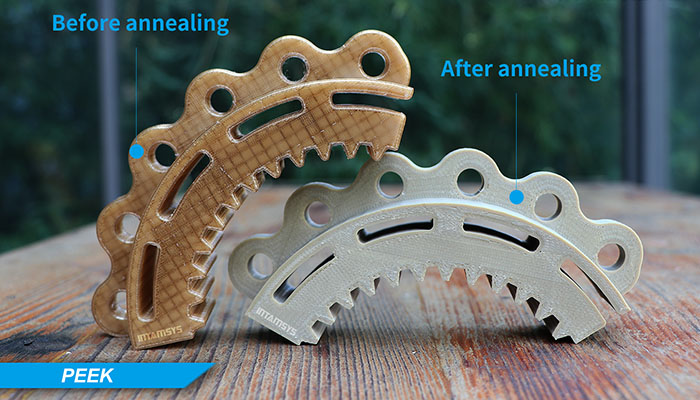
The manufacturer explains that the key to avoiding warpage was to design a high build chamber that could achieve ultra constant temperature to avoid edge warping and crackling. As a result, the 3D printed parts show a very high mechanical strength and endure a low mechanical stress. With the FUNMAT PRO 610 HT, the post-processing step has been automated and integrated into the machine. In general, when we talk about post-processing for HPP parts, we are talking about annealing. Annealing is a heat treatment that alters the physical and sometimes chemical properties of a material to increase its ductility and reduce its hardness. In other words, this process enables to reduce stress and strain any 3D printed part has to endure. It is also crucial for the dimensional stabilization and the improvement of the physical properties of the piece.
More from the desk
Six other notes from the rest of the bench.
 MaterialsWhat Technical Ceramics Are Compatible With Additive Manufacturing?Though the first thing that comes to mind for many when you mention ceramics is pottery or porcelain, technical ceramics are actually some of the strongest and toughest materials on Earth. Broken into two categories, oxides and non-oxides, the main…
 PrintersThe Top Cheap 3D Printers on the MarketBetween purchasing printers, filaments and post-processing solutions, 3D printing can be an expensive hobby. Because the additive manufacturing market is so large, it is often difficult to choose which 3D printer to rely on. This is true not only for…
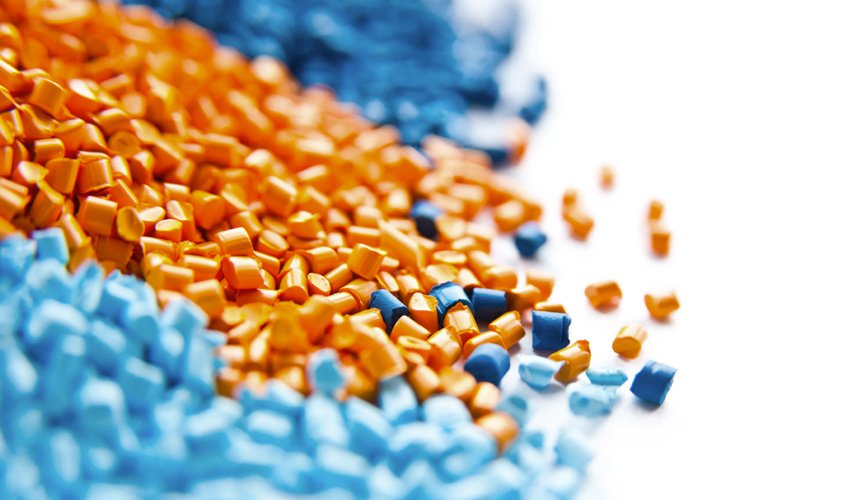 MaterialsHow Does 3D Printing With Pellets Work?The classic FDM 3D printing process consists of creating layers by depositing a molten material, usually in the form of plastic filament. Recently, however, a new way to use this manufacturing technology is emerging, moving away from coils to the…
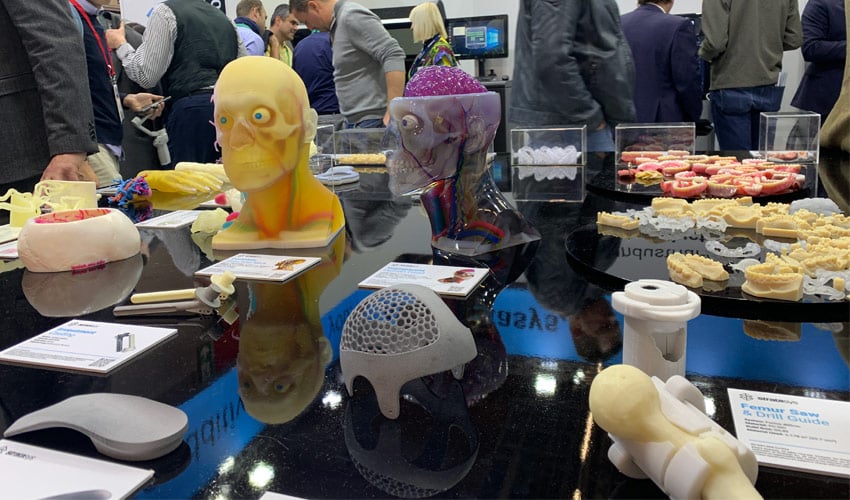 ApplicationsThe Medical Sector at Formnext 2023: Manufacturers and Market ApplicationsWhile the additive manufacturing event has been in full swing in Frankfurt since Tuesday, we wanted to focus on one of the market verticals that has been a major user of 3D technologies for several years now: medical. If several…
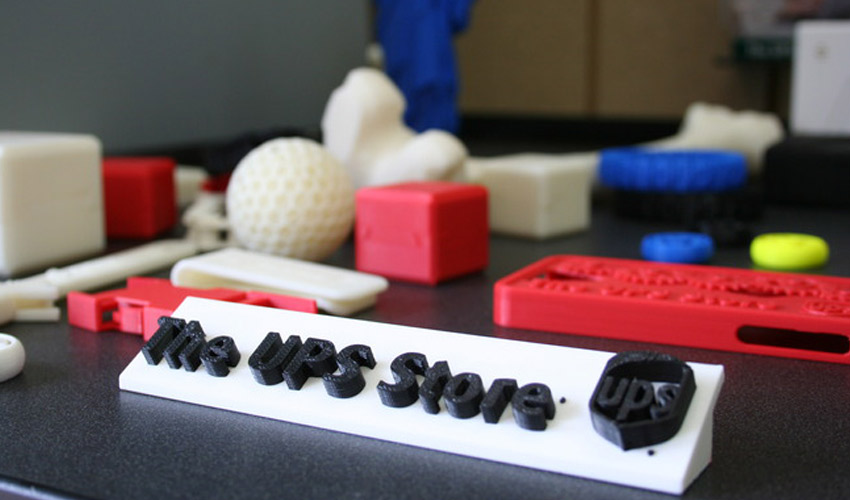 NewsInterview with UPS: how will 3D printing impact the Supply Chain?UPS is one of the world’s leading parcel delivery companies and a leading provider of specialised transportation and logistics services. Since its creation in 1907, the company has evolved tremendously and is quickly turning to innovative solutions. It is no surprise&hellip
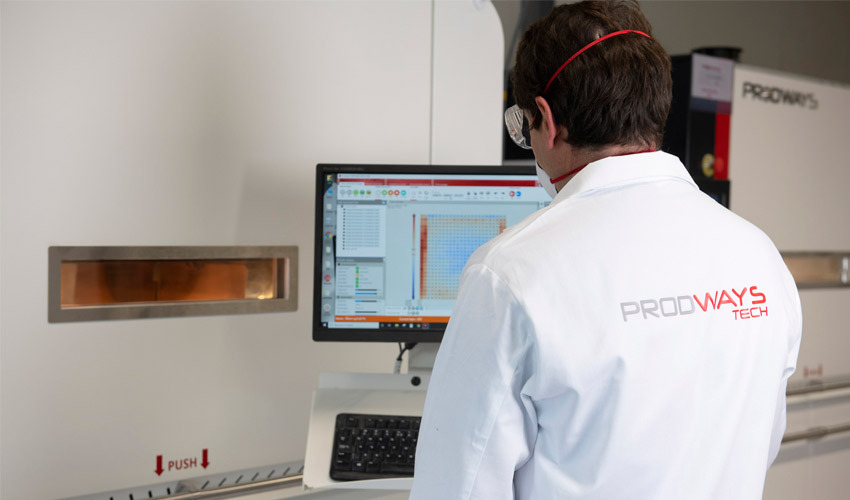 PrintersProdways Introduces the ProMaker P1000 S to Democratize SLS for Industrial ProductionThe French manufacturer Prodways introduced its brand new 3D SLS printer, the ProMaker P1000 S, at Formnext Digital Days. Designed to make SLS additive manufacturing more accessible, this new industrial solution is reliable, ergonomic, flexible and adapted to industrial productio