Materials
How Does 3D Printing With Pellets Work?
The classic FDM 3D printing process consists of creating layers by depositing a molten material, usually in the form of plastic filament. Recently, however, a new way to use this manufacturing technology is emerging, moving away from coils to the…
- 3 min read
- Materials
- Six more stories
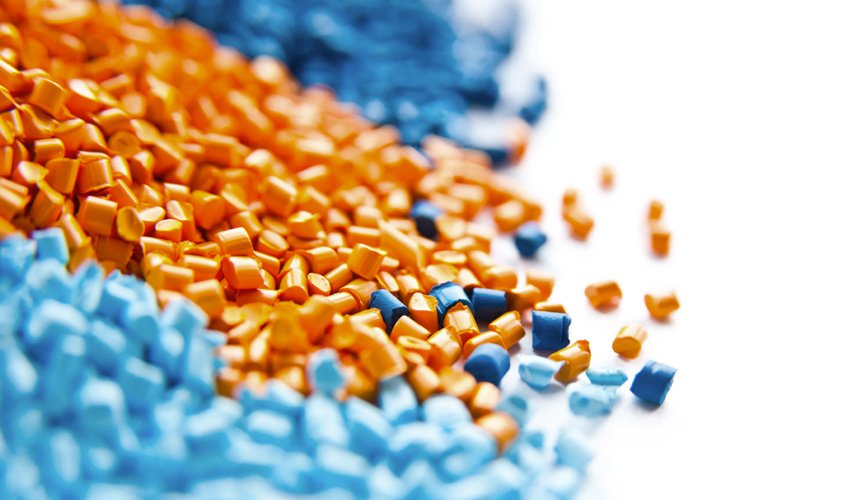
The classic FDM 3D printing process consists of creating layers by depositing a molten material, usually in the form of plastic filament. Recently, however, a new way to use this manufacturing technology is emerging, moving away from coils to the use of pellets or granules. Pellet 3D printing is a 3D printing method that uses thermoplastics in the form of pellets to manufacture parts layer by layer. More and more companies are developing machines that work with this type of material, or even solutions adaptable to standard 3D printers to make them compatible with pellets.
Plastic pellets are granular materials obtained through what is known as pelletizing. In the process, the materials, which can be chemicals, plastics, composites or minerals, are molded into the compressed form of pellets. These types of resources are mainly used for injection molding, although, as we have mentioned, they are becoming increasingly evident in the world of 3D printing. As it turns out, their use in additive manufacturing is somewhat low compared to the number of filament spools that exist today. Though this may seem paradoxical, since filaments are made from pellets, and using the pellets directly in printing would save an intermediate step in the entire process.
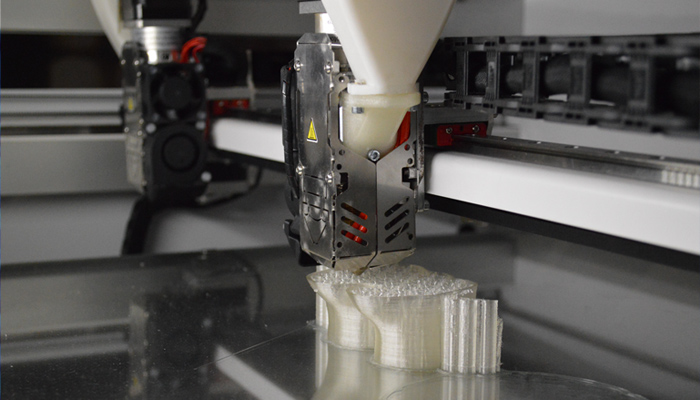
Pellet extruder developed by Tumaker (photo credits: 3Dnatives)
Pellets and 3D printing
One thing to keep in mind is that pellets and filaments require different extruders to suit your printing needs. In contrast to filaments, pellet extruders have an integral bowl, which gradually absorbs the materials and pushes them into the melting zone. There, the pellets are softened to the desired consistency, after which the plastic is ejected through the nozzle and deposited on the printing platform. Although the process may seem a bit more complex compared to filament extrusion, it has a number of really interesting benefits that we will see below.
More from the desk
Six other notes from the rest of the bench.
 NewsTOP 5 videos of the week: Space, ashes and more!A new selection of the best 3D printing videos of the week, just for you! Find our TOP 5 videos of the week below and tell us what your favorite video is in a comment or on our Facebook and Twitter page. Don’t hesitate to…
 Guides#3DStartup: Synteris Optimizes the 3D Printing of Technical Ceramics3D printing has revolutionized many industries thanks to its ability to create complex, customized geometries using a variety of materials. Among these, ceramics have emerged as a very attractive option due to their properties (high wear resistance, thermal stability, corrosion&h
 NewsRevo Foods and Mycorena Have Teamed Up For Better 3D Printed Vegan SeafoodWhen it comes to our diets, meat has always been a critical part of meals in cultures worldwide. Indeed, the US has the second highest consumption of meat in the World. However, that has started to change, with per capita…
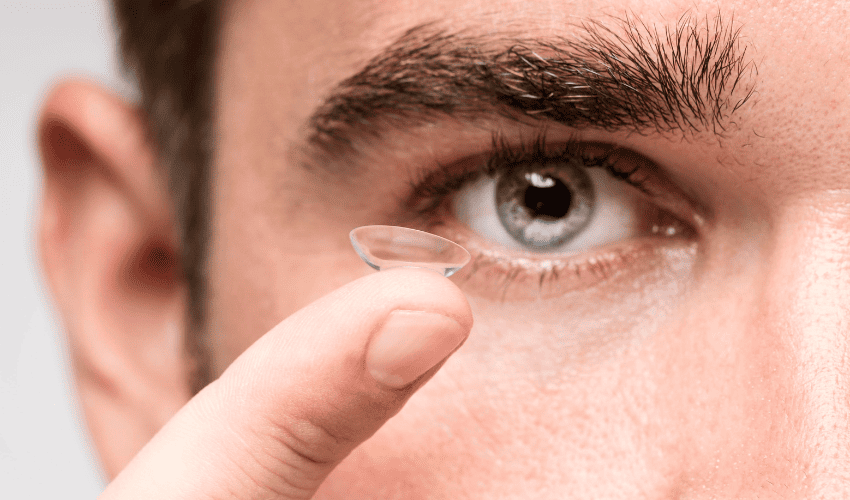 Guides#3DStartup: Lensy Medical Creates Personalized Contact Lenses With 3D Printing3D printing continues to transform the medical sector, and its influence now extends to the ophthalmology sector, particularly in the manufacturing of lenses. This is the case of startup Lensy Medical, which manufactures contact lenses using 3D technologies. Its approach…
 NewsAMAZEA, an underwater scooter designed thanks to large format 3D printingThe company JAMADE Germany recently presented a brand new concept for underwater riding: AMAZEA is an underwater scooter where 75% of parts have been 3D printed. Designed on a BigRep large format 3D printer, the device allows you to explore…
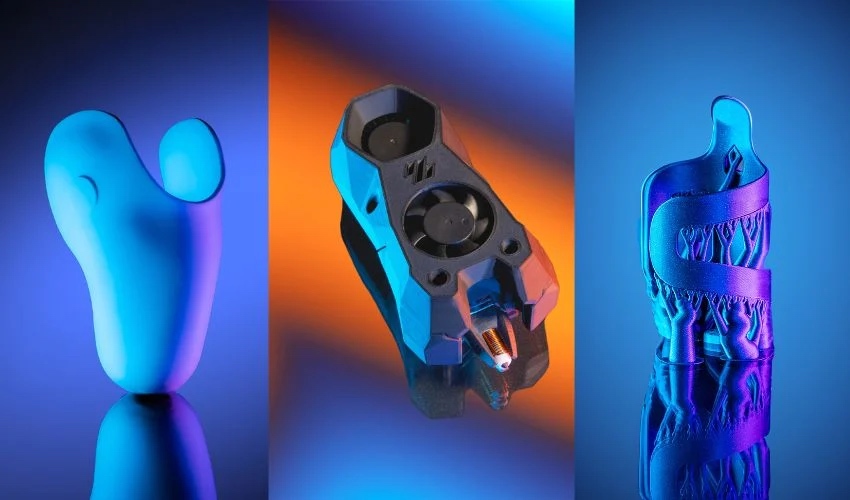 GuidesPlasmics Combines Individual Requirements and High Quality Standards With Innovative FDM PrintingPlasmics, Austrian company based in Vienna, was founded in 2018. What is interesting about the company is that it seeks to develop pioneering 3D printing solutions that do not require years of specialist knowledge. This has lead to Plasmics estbalishing…