Guides
Frontier Bio on Overcoming the Organ Shortage With 3D-Printed Human Tissue
3D printing has profoundly transformed the medical field, bringing significant changes to the way we think about healthcare. At the heart of this transformation, Frontier Bio is exploring the opportunities offered by 3D printing and tissue engineering to grow human…
- 3 min read
- Guides
- Six more stories
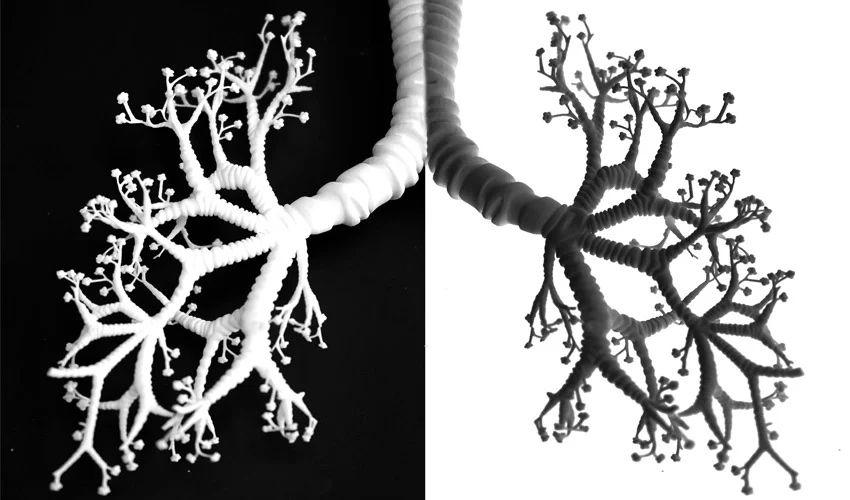
3D printing has profoundly transformed the medical field, bringing significant changes to the way we think about healthcare. At the heart of this transformation, Frontier Bio is exploring the opportunities offered by 3D printing and tissue engineering to grow human tissue in the laboratory. This technology opens up personalized and innovative perspectives in the field of regenerative medicine, offering customized solutions for the creation of tissues, medical devices and treatments.
At the same time, the ever-increasing number of animal experiments is becoming a cause for concern, with over 190 million animals used worldwide, and results that are not always conclusive. Frontier Bio’s main objective is therefore to design artificial tissues to replace animal experiments and contribute to the preservation of human life. The aim of these tissues? To address the growing shortage of organs for transplantation. We recently interviewed Eric Bennett, CEO of Frontier Bio, to find out more about the company’s intentions and plans.
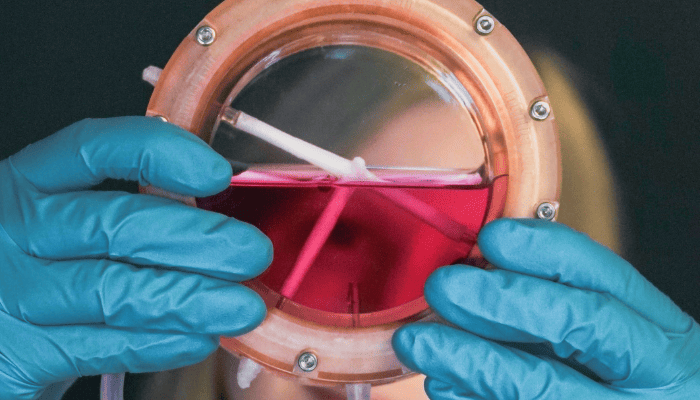
Frontier Bio is using 3D technologies to make human tissue
3DN: Could you introduce Frontier Bio and talk about your connection with additive manufacturing?
Frontier Bio is at the forefront of laboratory-grown human tissue engineering, with the ambition of revolutionizing regenerative medicine. Our mission is to develop alternative solutions for aging or failing organs and tissues, offering a sustainable answer to the shortage of organ transplants. Additive manufacturing is central to our research and product development efforts. We use advanced 3D printing technologies and self-assembly techniques to design lung microtissues, brain microtissues and blood vessels. In addition, 3D printing is used to create molds for biomaterials and for rapid prototyping of laboratory devices, illustrating our innovative approach to tissue engineering.
More from the desk
Six other notes from the rest of the bench.
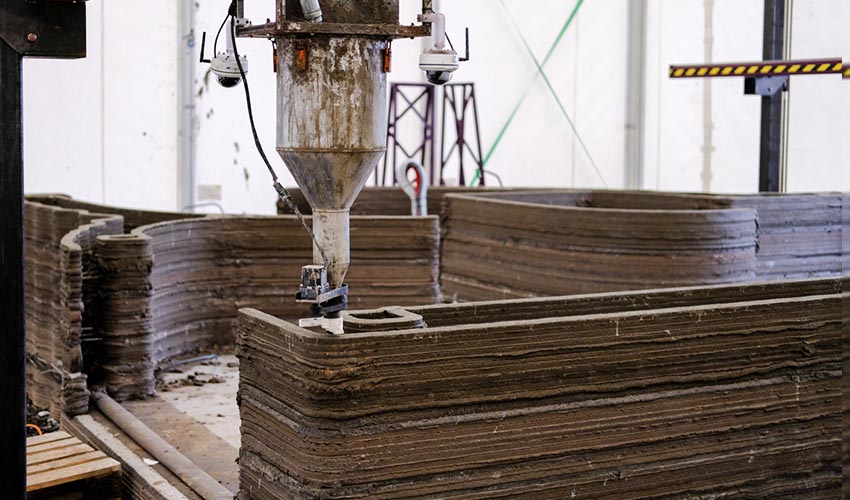 GuidesCOBOD on where the 3D printing construction industry is headedThe construction sector has undergone a real revolution following the introduction of robotic 3D printers, capable of manufacturing concrete buildings in a matter of hours. Many believe that concrete 3D printers can create an entire building, however they only create…
 PrintersTumaker Explains the Benefits of 3D Printing with PelletsOne of the main technologies that we highlighted during the latest edition of the Formnext expo in Frankfurt, is additive manufacturing with granules, also called pellets. In this exclusive interview onsite at Formenxt, we meet with Joao Haudenschild and Zoltan…
 NewsSpeaking to RAYSHAPE at RAPID + TCT 2023RAPID + TCT 2023 is now officially over. But if you were not able to attend the largest additive manufacturing trade show, do not free! We at 3Dnatives have prepared a number of videos to give a general idea of…
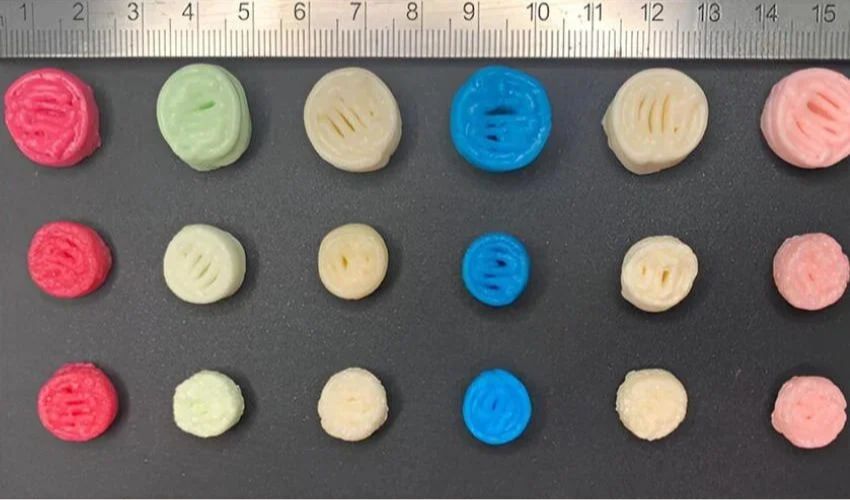 ApplicationsPersonalized Medicine Thanks to Volumetric 3D Printing and Semi-Solid Extrusion3D printing is transforming drug manufacturing, offering customized solutions that improve treatments and the patient experience. Traditionally, bespoke medicines have been prepared using magistral preparations, a manual, laborious and error-prone process. However, 3D printing is
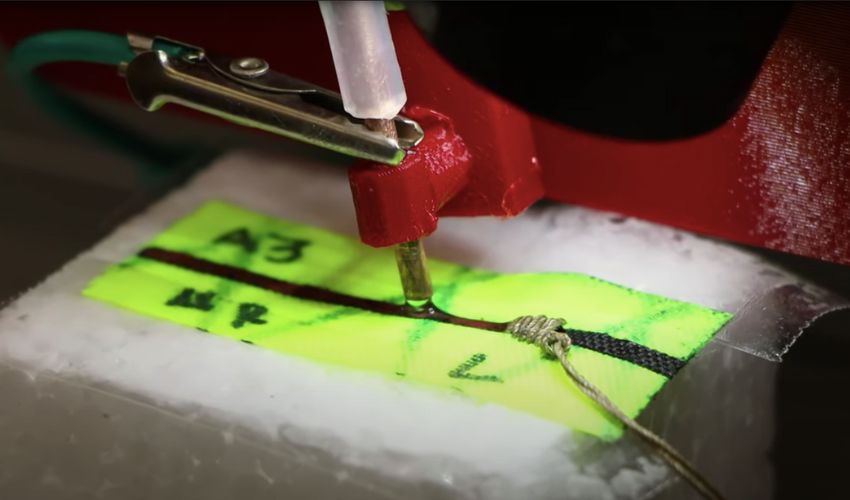 NewsUniversity Researchers Create New Method to Print Copper on Fabric for Wearable ElectronicsRecently, researchers from the Department of Electrical Engineering at the University of South Florida (USF) received a patent and official grant of $369,574 from the National Science Foundation (NSF). This will be used for the development of a method to…
 SoftwareChiTuBox, the Slicer Designed for Resin 3D PrintingWhen it comes to 3D printing software, one of the most critical are slicers, which are used to prepare a 3D model for printing. These intermediaries convert the 3D model into a series of thin layers and generates a G-code…