News
First Ever 3D-Printed Parts Have Been Installed at Alabaman Nuclear Plant
Last week, Oak Ridge National Laboratory (ORNL) announced that four 3D-printed fuel assembly brackets have been installed and are operating at the Tennessee Valley Authority’s Browns Ferry Nuclear Plant Unit 2 in Athens, Alabama. The 3D-printed parts mark a next…
- 3 min read
- News
- Six more stories
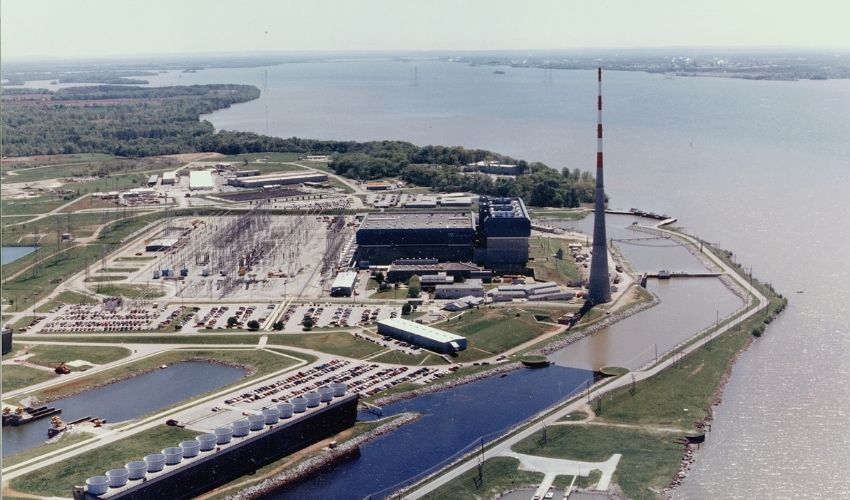
Last week, Oak Ridge National Laboratory (ORNL) announced that four 3D-printed fuel assembly brackets have been installed and are operating at the Tennessee Valley Authority’s Browns Ferry Nuclear Plant Unit 2 in Athens, Alabama. The 3D-printed parts mark a next step on the ORNL’s work with 3D printing as well as the current Transformational Challenge Reactor, or TCR, program with is also based at ORNL. Thoroughly tested and examined before installation, the parts are safety critical and expected to be in place for the next six years.
The project was a collaboration with the Tennessee Valley Authority (TVA), Framatome (a nuclear reactor business) and, of course, the DOE Office of Nuclear Energy–funded Transformational Challenge Reactor, or TCR, program which is based at ORNL. The goal of creating the 3D-printed parts, as long-term readers might guess, is to help mature the technology used in nuclear plants to ultimately extend the viability of the nuclear power plant fleet in the United States. This currently numbers at 56 nuclear power plants in 28 states though it has shrunk from its peak in the early 2000s.
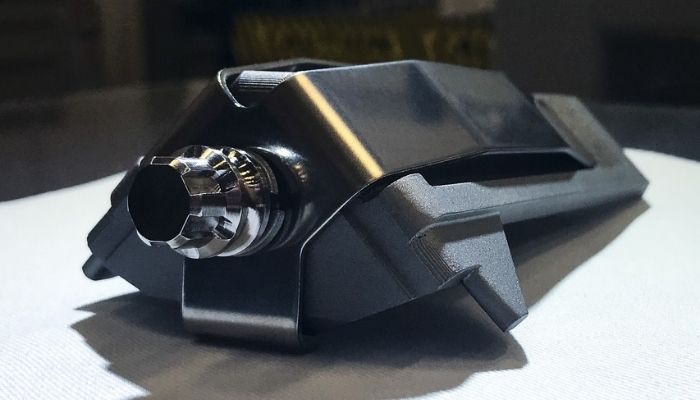
A 3D=printed channel faster for Framatome’s boiling water reactor fuel assembly. Four of these components were installed at the TVA Browns Ferry nuclear plant (image credits: Framatome)
The program hopes to revolutionize the nuclear industry in the United States, but it is also a significant step-forward for 3D printing, as it proves it further viability for critical components. Ben Betzler, the TCR program directory at the ORNL expanded: “Deploying 3D-printed components in a reactor application is a great milestone. It shows that it is possible to deliver qualified components in a highly regulated environment. This program bridges basic and applied science and technology to deliver tangible solutions that show how advanced manufacturing can transform reactor technology and components.”
More from the desk
Six other notes from the rest of the bench.
 ApplicationsOlli 2.0: what are the new features?You most likely remember Olli, the 3D printed minibus designed by the American Local Motors. A small revolution in the automotive sector that already demonstrated at the time that additive manufacturing has a real advantage in this demanding industry. The…
 NewsDesktop Metal introduces H13 steel to its range, for hot and cold tooling applicationsThe American manufacturer Desktop Metal announced the arrival of its metal 3D printing solutions to Europe last July and is now expanding its range of compatible materials. It is adding the tool steel, H13. This tool steel is a metal…
 MaterialsAn Introduction to Post-Processing in 3D PrintingThe value chain of additive manufacturing consists of multiple steps before having a final part. There is, of course, the printing phase, but also the modeling phase, which is start of any project. But once the 3D printer has finished…
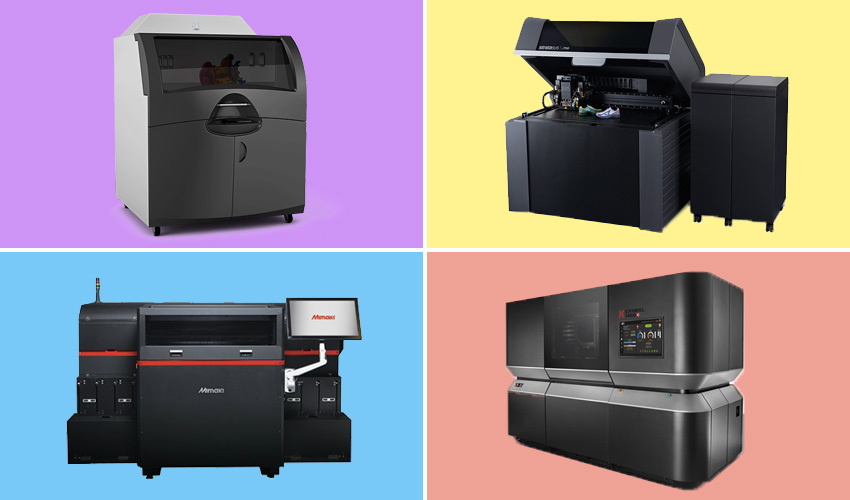 PrintersWhat are the Material Jetting 3D Printers on the Market?Material Jetting is one of the seven families of additive manufacturing processes. As the name suggests, it consists of depositing material on a printing tray, layer by layer, much like a 2D printer that drops ink on paper. Here, the…
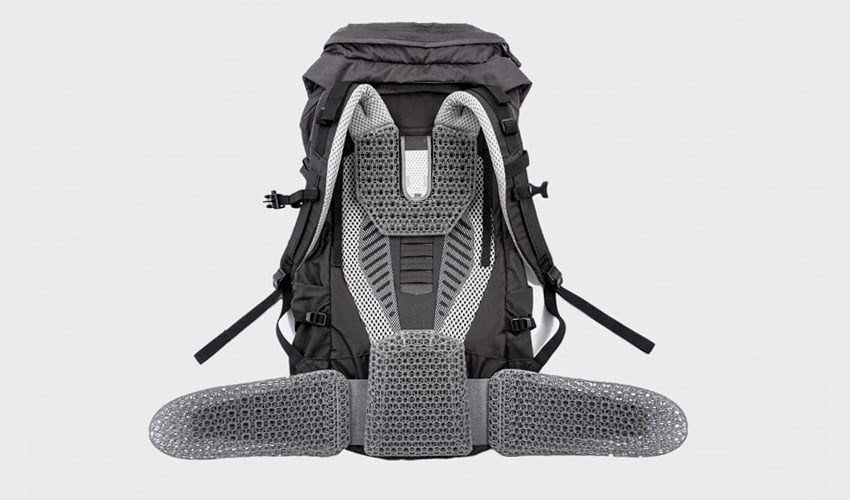 NewsOECHSLER Has Made a Backpack With 3D Printed, Shock-Absorbing FabricGerman company OECHSLER is behind a new innovation that aims to take the additive manufacturing sector into new dimensions. Specifically, they have developed a hiking backpack that incorporates 3D-printed, shock-absorbing mesh material for the first time. OECHSLER’s proposa
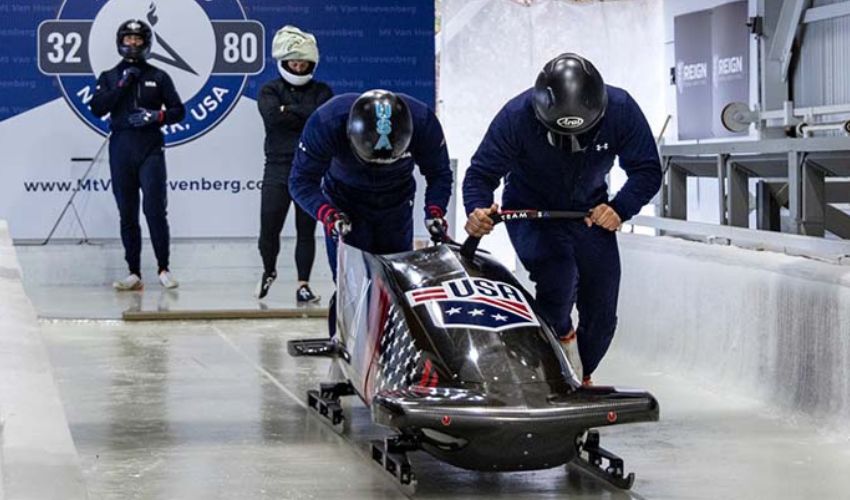 NewsUS Bobsled Team (USABS) Turns to 3D Printing Before the 2026 OlympicsBobsled is an incredible sport that has been increasingly winning over adrenaline junkies worldwide. Though in the USA, most people’s exposure to the sport is through the 1990s hit movie “Cool Runnings,” it is now a popular winter event. And…