News
First 3D-Printed Titanium Jaw Successfully Transplanted on Cancer Patient
Dutch surgeons were able to successfully transplant a 3D-printed titanium jaw, which was developed thanks to research conducted by the Netherlands Cancer Institute and Dutch company Mobius 3D Technology (M3DT). The challenging procedure marks the first time a 3D-printed titanium&
- 3 min read
- News
- Six more stories
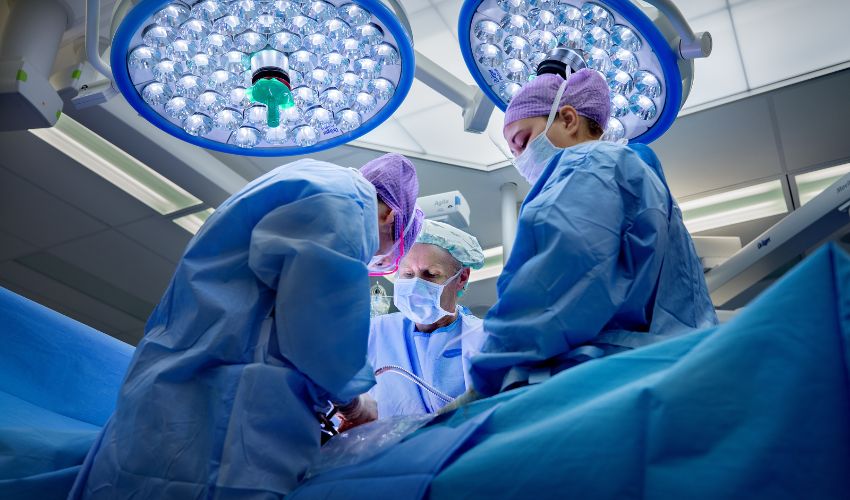
Dutch surgeons were able to successfully transplant a 3D-printed titanium jaw, which was developed thanks to research conducted by the Netherlands Cancer Institute and Dutch company Mobius 3D Technology (M3DT). The challenging procedure marks the first time a 3D-printed titanium jaw was transplanted on a head and neck cancer patient.
When we hear the word prosthetic the first thought that comes to our minds is the kind that replaces missing limbs such as arms and legs. You probably won’t necessarily think of replacements for body parts that are less common, such as those located in a patient’s head. And while the medical sector has been developing a variety of prosthetic limbs that have improved the lives of so many individuals, people who are in need of a more complex type of bone replacement have had very limited options, which in many cases could not help them get the support they urgently needed. However, as additive manufacturing has become more advanced, researchers in many areas, especially the medical field, have been able to find new ways of treatment that have not been possible ever before. An example of that is the recent successful transplant of a 3D-printed titanium jaw in the Netherlands, the first of its kind to ever have been transplanted in a patient suffering from head and neck cancer.
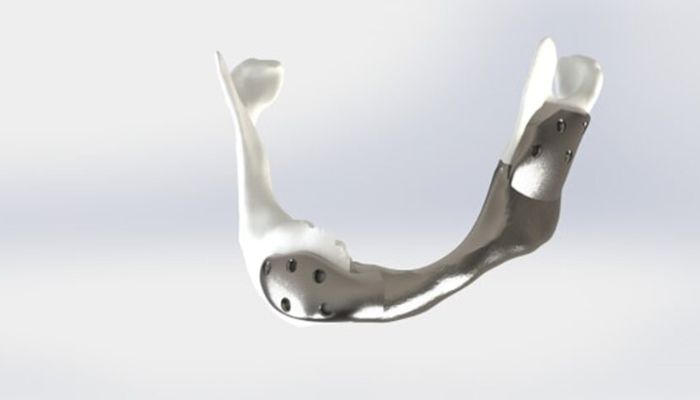
Model of the 3D printed titanium jaw (photo credits: Mobius 3D Technology)
Cancer that appears in the jaw region is a rare type of head and neck cancer, which is also classified among the many types of oral cancer. While head and neck cancers make up about 4% of all cancers that are diagnosed in the United States annually, jaw cancer belongs to the forms of the disease that play a minor role in cancer research studies. During the course of the disease, a point is often reached when the doctor’s only option left is to remove either part of or the entire lower jaw of the patient. While there have only been very limited options in terms of possible replacements, patients weren’t able to regain important jaw functions, leaving them in a state of despair.
More from the desk
Six other notes from the rest of the bench.
 MaterialsAll You Need to Know About ASA for 3D printingASA (Acrylonitrile Styrene Acrylate) is an amorphous thermoplastic similar to ABS: the main difference is that it is an acrylic elastomer, whereas ABS is a butadiene elastomer. It is found in filament form for FDM / FFF 3D printing. In…
 NewsNIST to Promote Metal Additive Manufacturing Through Nearly $4M in GrantsMore than ever, we are seeing that governments are investing in additive manufacturing as a way to promote more sustainable, clean manufacturing. The United States especially has been pushing the technology as a part of its build back better framework.…
 NewsThe Gartner 2017 report on 3D Printing3D printing has been one of the most exciting new technologies for several years now, with its accessibility and popularity growing each day and with new technologies and processes being created constantly. However, do we really know what to expect…
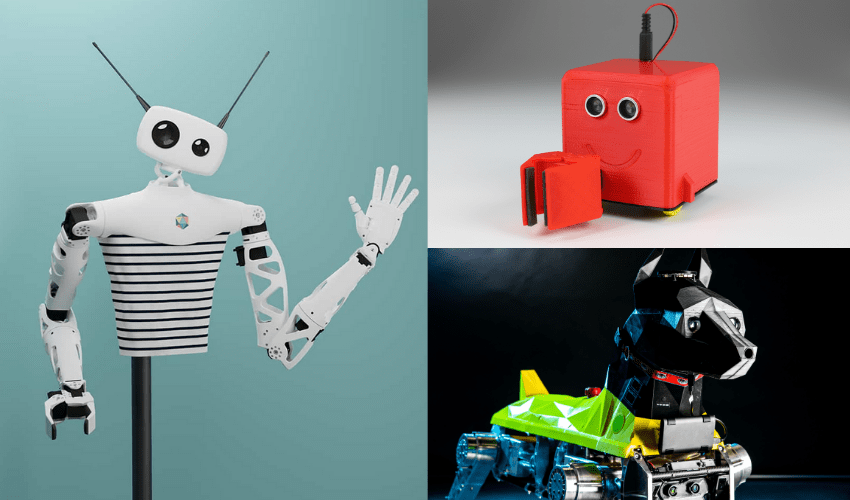 GuidesThe Top 3D Printed RobotsRobotics brings together all the technologies that make it possible to design autonomous machines; combining knowledge in electronics, mechanics, and even biology. This is a field that has evolved quite a bit since C-3PO first hit the movie screens in…
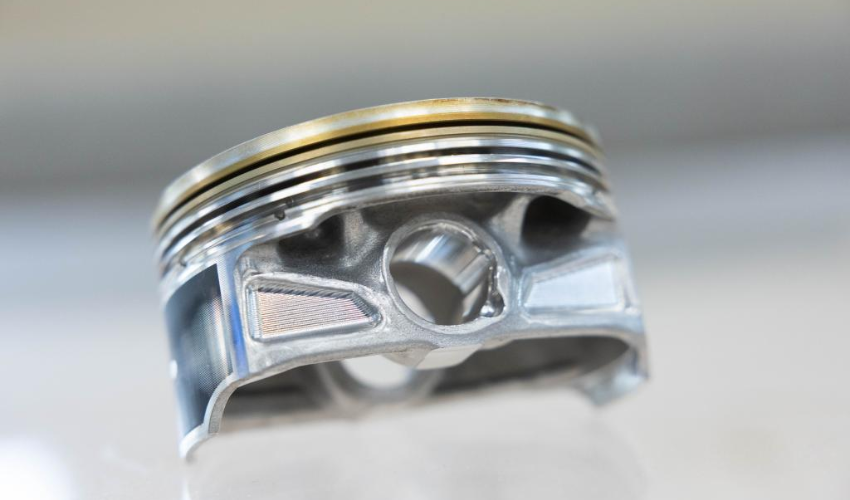 ApplicationsNew Alloy Turns Scrap Aluminum into High-Value Auto PartsResearchers at Oak Ridge National Laboratory (ORNL) have developed a new aluminum alloy, called RidgeAlloy, that could transform how recycled scrap is used in the automotive industry. By turning low-value post-consumer aluminum into structural materials, the innovation could redu
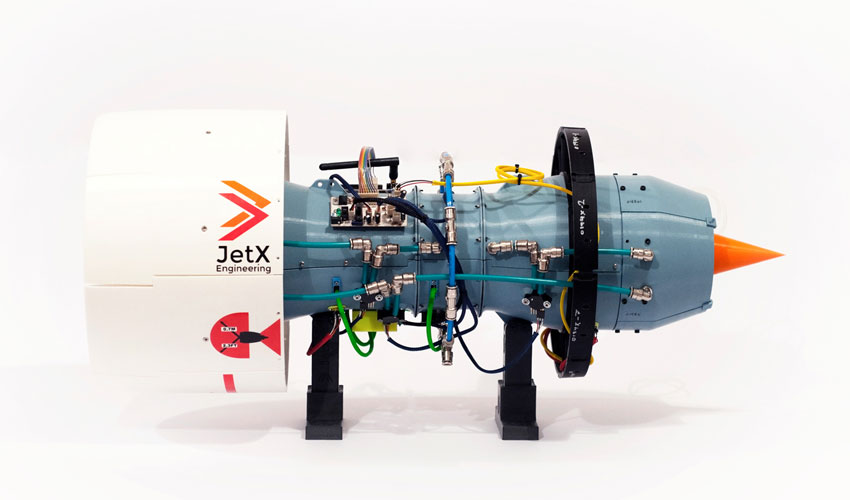 ApplicationsX-Plorer: The 3D Printed Jet Engine Made of 965 partsDeveloped by a group of engineering students named JetX, this functional 3D printed jet engine is one of the finalists of the Student Grant 3D Hubs competition. The competition is held to discover who can make the best project displaying…