Materials
All You Need to Know About ASA for 3D printing
ASA (Acrylonitrile Styrene Acrylate) is an amorphous thermoplastic similar to ABS: the main difference is that it is an acrylic elastomer, whereas ABS is a butadiene elastomer. It is found in filament form for FDM / FFF 3D printing. In…
- 3 min read
- Materials
- Six more stories
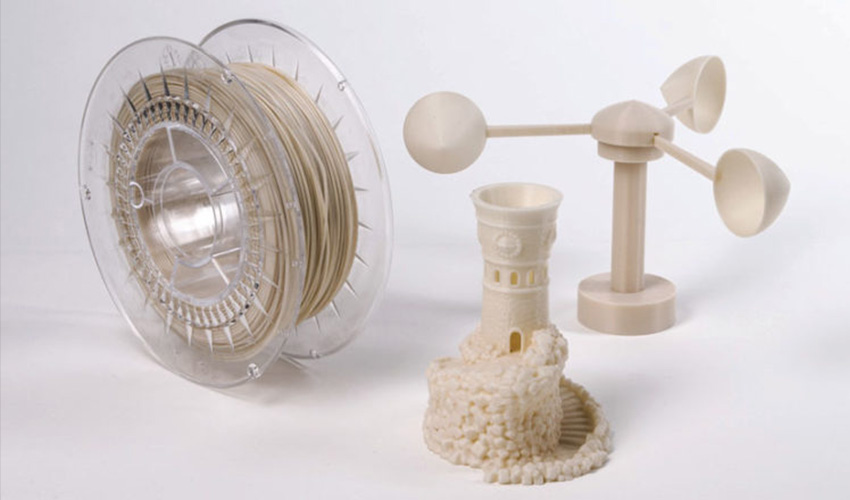
ASA (Acrylonitrile Styrene Acrylate) is an amorphous thermoplastic similar to ABS: the main difference is that it is an acrylic elastomer, whereas ABS is a butadiene elastomer. It is found in filament form for FDM / FFF 3D printing. In this guide dedicated to ABS, we’ll focus on its production, properties and possible applications with this thermoplastic. The main manufacturers and pricing will round off our analysis.
Production and Characteristics of ASA
ASA was first marketed by chemist BASF in 1970 under the name Luran® S, and today can be molded, injected or extruded: ASA is increasingly used by people with FDM 3D printers. This thermoplastic is considered a “terpolymer”, meaning that the material is synthesized from three different monomers. It is obtained by polymerizing acrylonitrile, styrene and acrylate. In this case, styrene provides the gloss of the thermoplastic, while acrylonitrile provides chemical resistance, good moisture absorption and dimensional stability. As for acrylate, it enables ASA to withstand high impact.
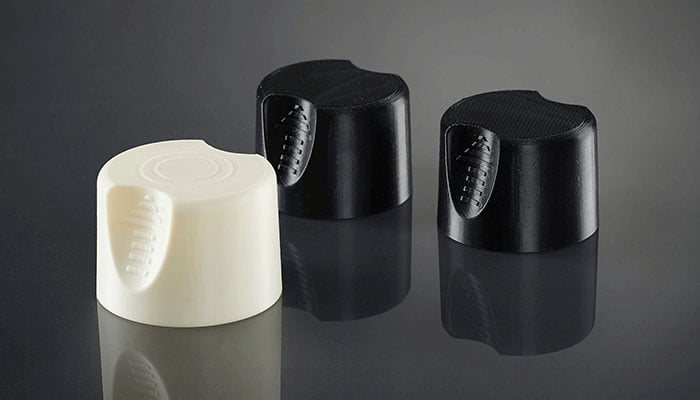
ASA is suitable for making pieces with greater exposure (Photo credits: Stratasys)
Like ABS, it is manufactured from petroleum and is considered an engineering plastic, as it retains its appearance and impact resistance even under adverse conditions, such as prolonged exposure to air, rain, cold, heat, etc. For this reason, it is often used as an engineering plastic. For this reason, it is often used to manufacture everyday objects that need to be more resistant, such as electrical installations, car parts or even toys. Although ASA is made from petroleum, it can be recycled. What’s more, thermoplastic has a number of characteristics in 3D printing that distinguish it from the main plastics, which are PLA and ABS. Firstly, ABS is very prone to warping, and tends to discolor on contact with harsher environmental conditions. These two disadvantages do not occur with ASA plastic if certain recommendations are followed. It is also much more resistant to UV rays. What’s more, it’s a filament that’s easier to print than PLA and ABS, making it ideal for a number of applications, notably in the automotive industry.
More from the desk
Six other notes from the rest of the bench.
 PrintersCalibry, the new fast and compact 3D scanner from Thor3DThor3D, the Russian manufacturer behind renowned 3D scanners, introduced at TCT Asia its new Calibry scanner. The Calibry is a manual 3D scanner that bets on being compact and high-speed. It was created to scan historically challenging objects. During TCT…
 SoftwareAll You Need to Know About TurboCAD for 3D PrintingThe world-class TurboCAD software is based on computer-aided design (CAD). The CAD system was developed by San Francisco-based IMSI/Design and features a powerful design palette with a wide range of functions that allow users to create 2D and 3D drawings.…
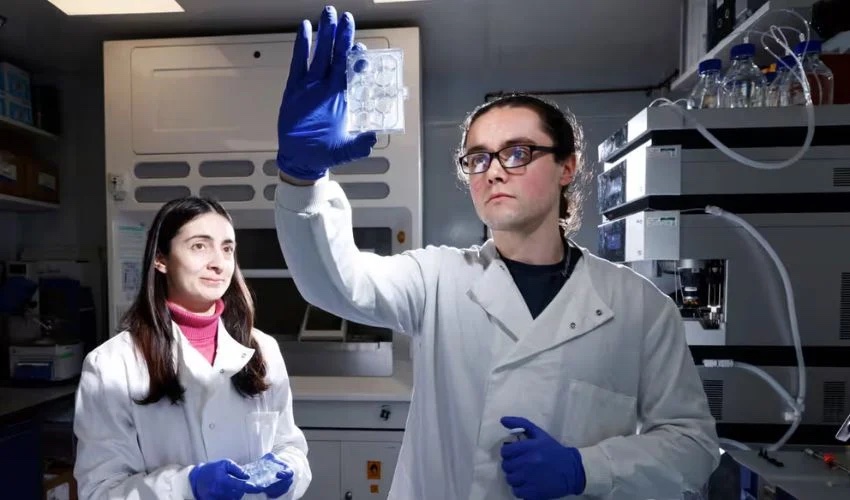 News3D Printed ‘Body-on-Chip’ Could Mean the End of Animal TestingThanks to additive manufacturing, experiments on living animals could potentially be replaced by a far more ethical method of drug testing. Scientists at the University of Edinburgh have succeeded in developing a 3D-printed “body-on-chip” that imitates the course of a
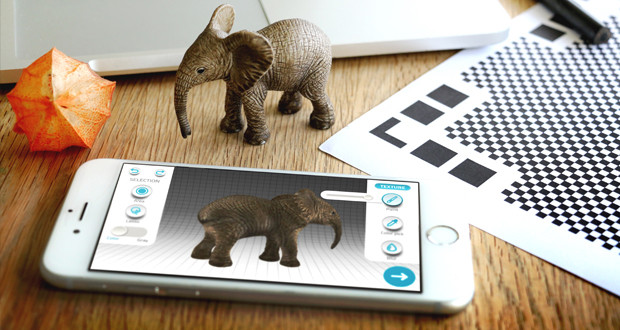 SoftwareQlone: The 3D scanning smartphone app3D scanning is one of the biggest allies to 3D printing, allowing you to transform real objects into a 3D model without having to work too hard on the design. With the ability to scan from spare parts or a…
 GuidesWhy are there so few Women in 3D printing, and can we change that?3D printing is an innovative, fast-growing market which is predicted to grow exponentially in the next 10 years. However, it is also a male dominated industry, with only approximately 13% of workers being women. Why is 3D printing such a…
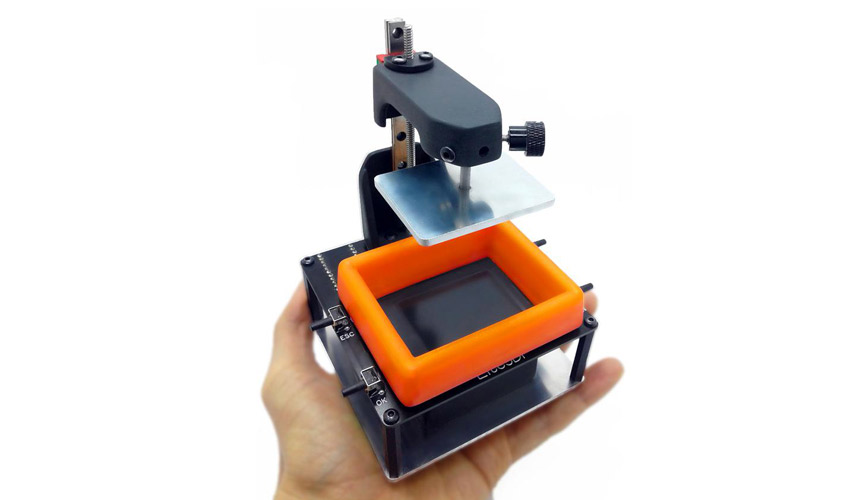 PrintersLite3DP S1, an affordable MSLA micro 3D printerLite3DP has launched a new micro 3D printer. Sold in DIY kit form, the small compact Lite3DP S1 is designed for makers and enthusiasts. It is undoubtedly one of the smallest MSLA printers on the market, measuring 100 x 100…