News
FDA Approves First 3D Printed Ankle Implant to Treat Rare Bone Disease
The U.S. Food and Drug Administration (FDA) has just approved the Patient Specific Talus Spacer, the world’s first implant designed to replace the talus. This is particularly useful for sufferers of talus avascular necrosis (AVN). The Patient Specific Talus Spacer…
- 3 min read
- News
- Six more stories
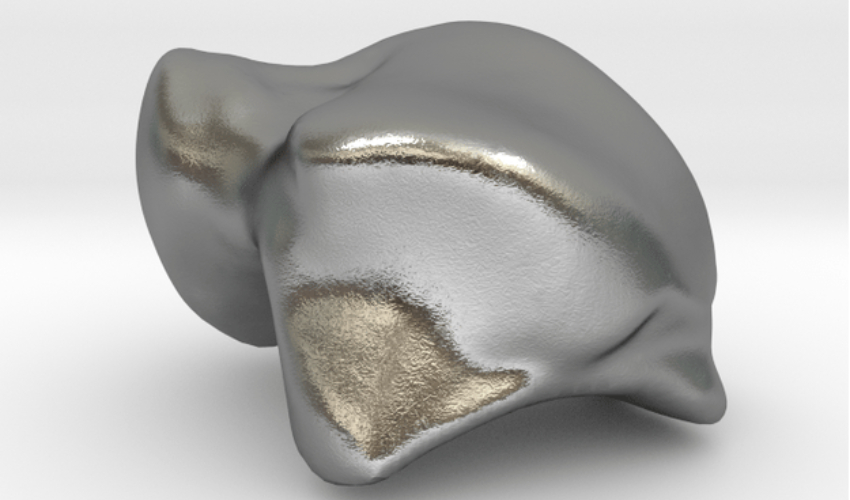
The U.S. Food and Drug Administration (FDA) has just approved the Patient Specific Talus Spacer, the world’s first implant designed to replace the talus. This is particularly useful for sufferers of talus avascular necrosis (AVN). The Patient Specific Talus Spacer is a custom 3D printed ankle implant made from cobalt chromium alloy. Each spacer is modeled from computed tomography (CT) imaging, allowing for it to be fitted to each patient’s specific anatomy.
The talus is the bone in the ankle which connects the knee and the foot. If blood supply to the talus is depleted, the bone tissue surrounding it may die resulting in avascular necrosis (AVN). In most cases AVN results from a dislocation, break, or other sudden injury which inhibits the supply of blood to the bone tissue. This is a serious condition which without treatment can cause the bone to collapse either fully or partially. In order to prevent this, as well as the pain that accompanies the disease, there are two main treatments: the joints in the foot and ankle are fused together, eliminating motion in the joint; or below the knee amputation. This 3D printed implant is a joint sparing alternative, with the potential to significantly improve a patient’s quality of life post-surgery compared to traditional methods.
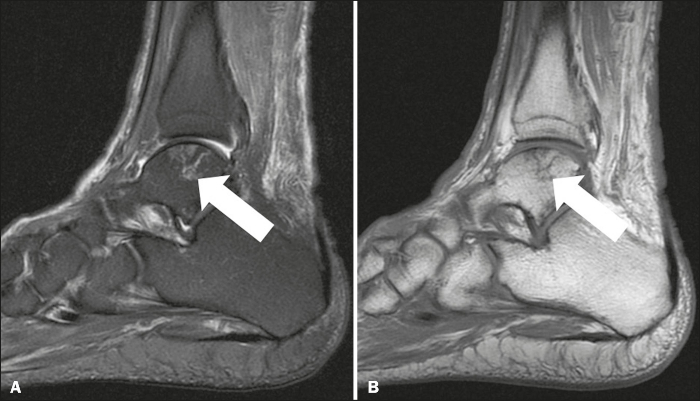
This picture shows avascular necrosis of the talus. (Credit: SciELO)
“Avascular necrosis of the ankle, while a rare condition, is a serious and potentially debilitating one that causes pain and can lead to inhibited motion of the ankle joint, and in some cases, removal of part of the leg,” said Capt. Raquel Peat, Ph.D., M.P.H., USPHS, director of the FDA’s Center for Devices and Radiological Health’s Office of Orthopedic Devices. “Today’s action provides patients with a treatment option that could potentially reduce pain, retain range of motion of their joint and improve quality of life.”
More from the desk
Six other notes from the rest of the bench.
 NewsHyperX Is Adopting 3D Printing for Personalized Gaming Equipment With HX3DIt seems that there is no shortage of new applications for 3D printing. Especially when it comes to customized consumer goods. This is also the case for the video gaming industry where HyperX, a leader in gaming and esports equipment…
 NewsTop 5 Videos: The Promise of 3D Printed Synthetic OrgansWelcome to our compilation of this week’s top 3D printing videos. This time, we begin with a video presented by The Royal Institution, discussing the applications of 3D printing within the healthcare industry and unveiling the potential of synthetic organs…
 PrintersDynamical Tools to conquer the industrial additive manufacturing marketDynamical Tools is a company in Zaragoza that have grown well over recent years in the Spanish additive manufacturing market and continues to expand internationally. Since the presentation of its first 3D printer in 2016, the DT 600, the manufacturer has…
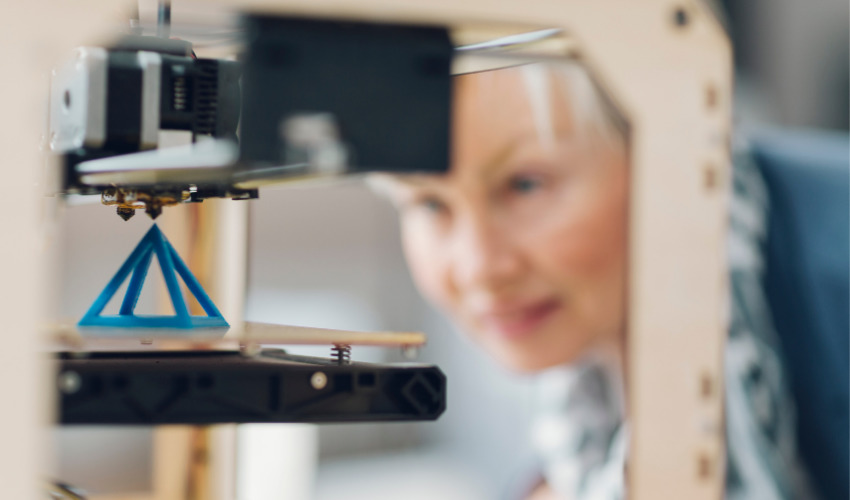 GuidesWhat is the Status of Women in the 3D Printing Industry?International Women’s Day takes place every year on March 8th. According to the United Nations, it is a global day that celebrates the achievements of women around the world as well as the progress that has been made up to…
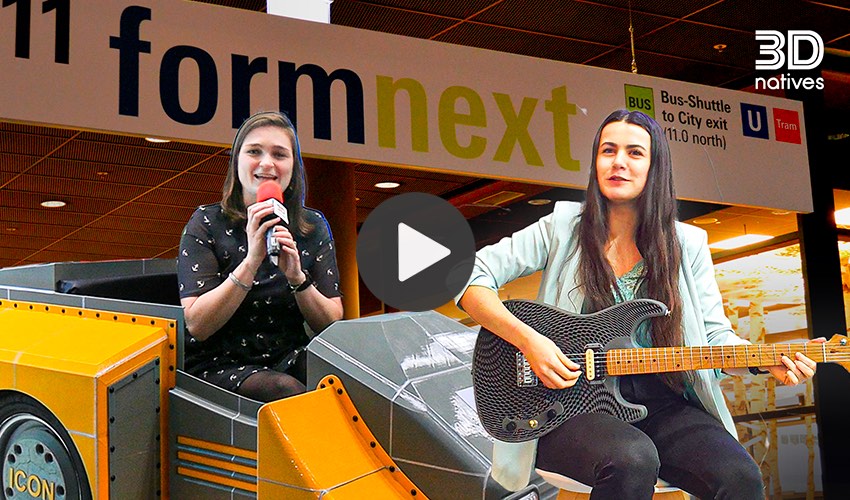 NewsOur Favorite 3D Printing Applications From Formnext 2024!The 2024 edition of Formnext ended a few days ago, and once again this year, after showcasing 3D solutions, innovations from the industry and impressive machines, it was time to leave room for our team’s favorite applications. Amidst hundreds of…
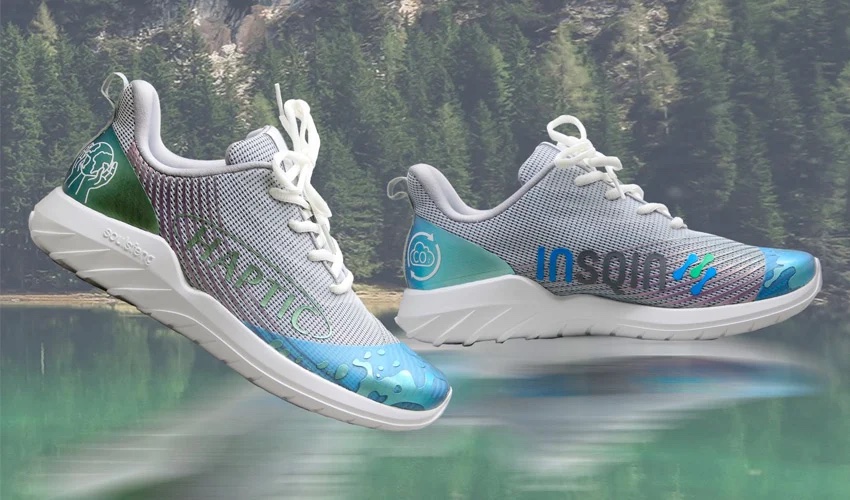 NewsCan 3D Printing Reduce the Carbon Footprint of Footwear Production?Did you know that 3D technologies could also be used to reduce the carbon footprint of sports footwear? The idea of doing just that was recently realized thanks to a collaboration between the companies Covestro, Huafeng and Cyclone. Specifically, they…