News
Top 5 Videos: The Promise of 3D Printed Synthetic Organs
Welcome to our compilation of this week’s top 3D printing videos. This time, we begin with a video presented by The Royal Institution, discussing the applications of 3D printing within the healthcare industry and unveiling the potential of synthetic organs…
- 3 min read
- News
- Six more stories
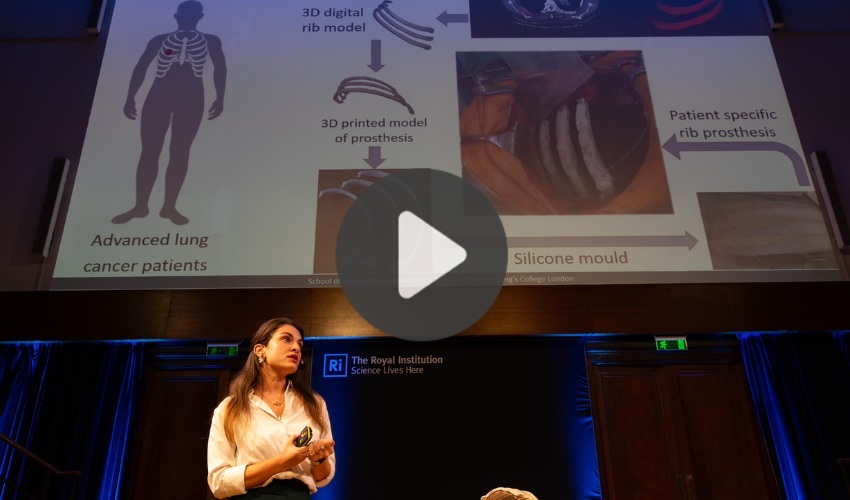
Welcome to our compilation of this week’s top 3D printing videos. This time, we begin with a video presented by The Royal Institution, discussing the applications of 3D printing within the healthcare industry and unveiling the potential of synthetic organs for improving patient outcomes. We’re then brought to an in-depth view of the design of the highly sought-after Stanley Cup and are shown how it can be improved with 3D printing. Moving forward, Alessandro Vanni of Artisan Made provides 3D printing tips to improve productivity within a workshop. Next, Youtuber ‘growithjessie’ documents her three-month exploration into converting plastic bottles to filament, to be later used as material for 3D printing. And finally, we conclude with a riveting experiment, as Morley Kert investigates the quality of 3D printing while driving on rugged terrain and navigating the ocean. Join us this week as we delve into the latest advancements and applications in the world of 3D printing!
Top 1: Dr. Pontiki Reveals 3D Printed Synthetic Organs and Their Potential Within Medical Industry
First in line, Dr. Antonia Pontiki, a researcher in biomedical engineering, discusses the transformative role of 3D printing in healthcare, emphasizing its use in creating customized medical solutions, anatomical models for education and surgical planning, prostheses, and even bio-printed tissues and synthetic organs. Delving into its various current applications within the industry, Dr. Pontiki uncovers how this technology can be leveraged to pave the way for more personalized and effective healthcare solutions.
Top 2: 3D Printed, Improved Stanley Cups
In this video, engineers at Slant 3D reveal how they can use 3D printing to create an overall better Stanley Cup – one that is still visually appealing, but offers increased insulation and durability (and importantly is not made with lead unlike the original version). Providing a step-by-step look at the design process, Slant 3D highlights the capabilities of 3D printing when it creates customizable, durable, and innovative consumer products, all while exploring the unique features of what makes the Stanley Cup a highly popular product.
More from the desk
Six other notes from the rest of the bench.
 NewsWhat are the best 3D startups of 2020?Startups are young companies with innovative business ideas. They serve as drivers and integrators of digitalization and promote competitiveness and innovation. As the 3D printing market still has a great potential for growth, startups are of great importance in the…
 NewsQuantum Acquires BCN3D, Ensuring the Manufacturer’s ContinuityDeveloper and manufacturer of 3D printing solutions BCN3D filed for bankruptcy this May after failing to reach a debt restructuring agreement. Now, the company’s future is taking a new path with the entry of Quantum, a new company backed by…
 NewsScientists Double the Solidity of 3D Printed AluminumIn Russia, scientists from the National University of Science and Technology (NUST MISIS) presented their research on a method of producing ultra-high purity alumina (UHPA) capable of doubling the strength of printed aluminum composites In 3D. We would have components similar&hel
 ApplicationsAirbus Qualifies Materialise and EOS to Make 3D Printed Flight-Ready PartsFor several years now, Airbus has been using additive manufacturing to produce and repair many parts for its aircraft. And by qualifying the technologies of Materialise and EOS, the European aircraft manufacturer is renewing its confidence in 3D printing. The…
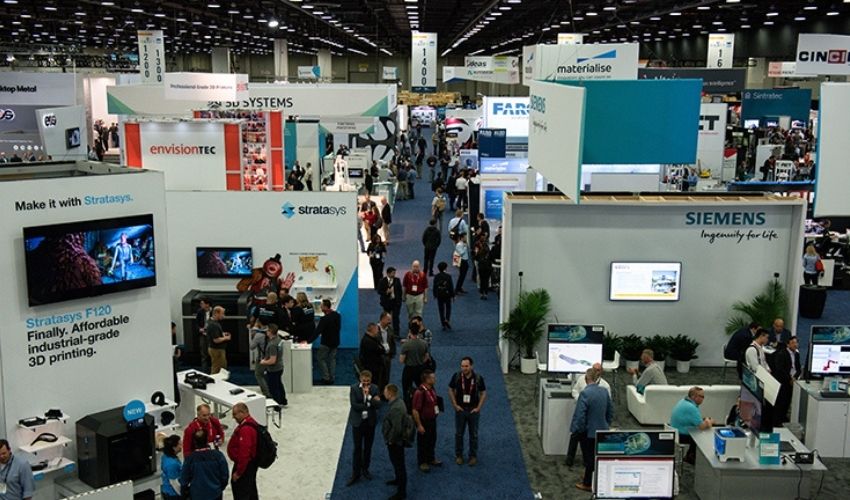 NewsRapid + TCT 2021: A Round-Up of the News from the EventAfter over a year of exclusively virtual events, slowly in-person 3D printing conferences are coming back. The most recent one was Rapid + TCT which took place this week (September 13-15th, 2021) in Chicago. Rapid + TCT is one of…
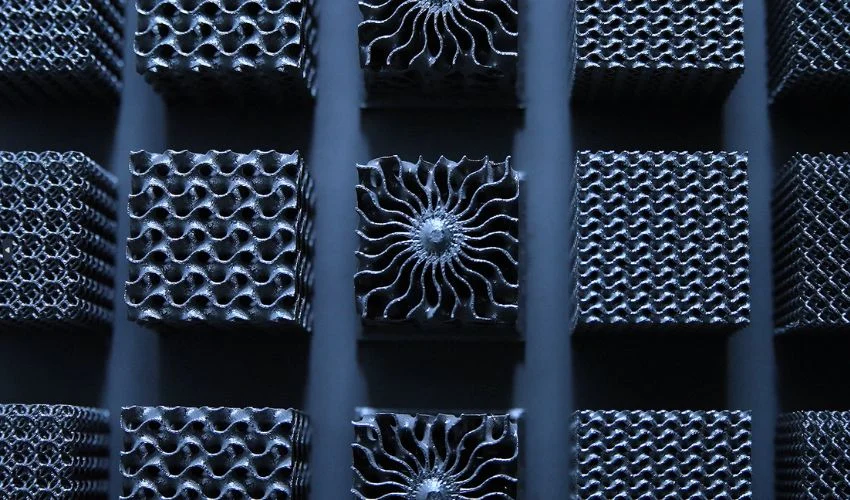 Guides#3DStartup: How AM3L Uses Metal AM for High Performance Porous ArchitecturesWe end this year with a startup coming from the CEA, the French Alternative Energies and Atomic Energy Commission: AM3L. The company is a starup that specializes in porous metamaterials produced by metal 3D printing. Its goal is to use…