News
F-elia, 3D printed optical jewelry that rethinks glasses
F-elia is a young French brand of 3D printed optical jewelry that gives a second life to the glasses we know. Indeed, these accessories combine aesthetics, practicality and new technologies! The use of 3D printing in the creative process produces…
- 3 min read
- News
- Six more stories
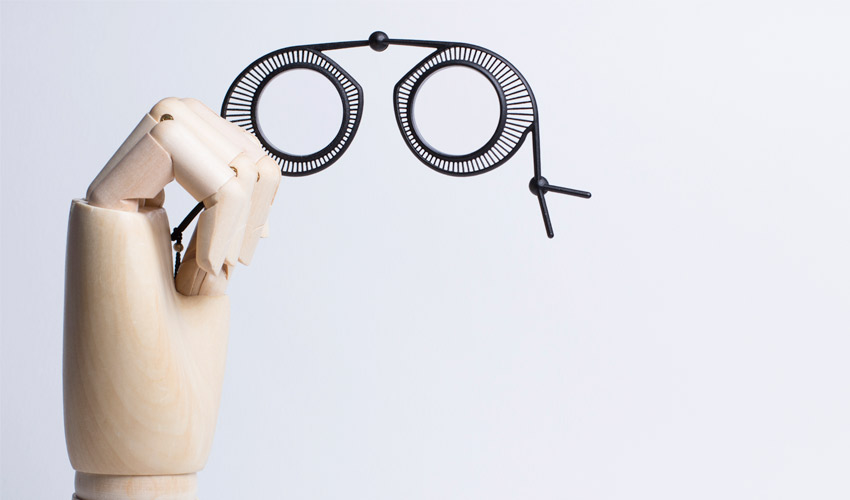
F-elia is a young French brand of 3D printed optical jewelry that gives a second life to the glasses we know. Indeed, these accessories combine aesthetics, practicality and new technologies! The use of 3D printing in the creative process produces original, complex and unique shapes that showcase the full potential of 3D technologies in the design sector. It is also a method that is increasingly popular with eyewear manufacturers, according to the latest SmarTech Analysis report, this market is expected to reach $3.4 billion by 2028. Therefore, we met Sandrine Henry, the founder of the F-elia brand, to learn more about the manufacturing process of these optical jewels and understand how 3D printing can impact such a sector.
3DN: Can you introduce yourself and your link to 3D printing?
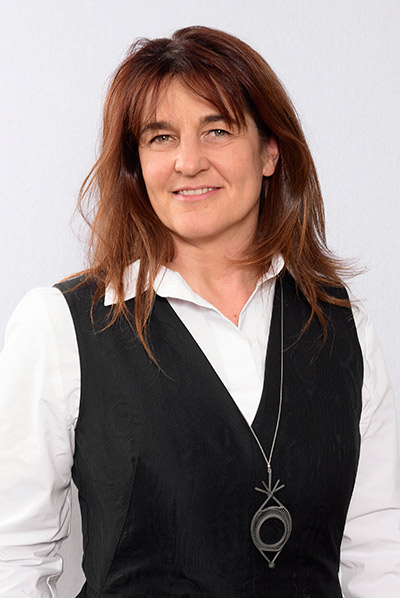
Sandrine Henry
My name is Sandrine Henry, I am a product designer with a specialisation in optical and solar eyewear, for more than 20 years. After studying industrial design at the Nantes school, I started my career in a large French eyewear group located in the Jura, for the Nina Ricci and Chevignon licenses. Then, as design manager for a French manufacturer, specialised in luxury frames. Boucheron and Henry Jullien Collection. Rich in these experiences, I settled near Paris, at the Garenne Colombes where I founded Eiffelia design in 2011. The agency offers a global approach: from the creation of frames to cases and the product environment for sports, fashion and designer eyewear
In 2019, I created the f-elia brand, and just launched my first collection of 3D printed optical jewelry. My first link with this technology began a decade ago, with a Chinese manufacturer specialising in Packaging. They wanted to develop their own range of cases using a more innovative approach to differentiate themselves from competitors. To do this, I had developed different concepts, and it was necessary to quickly validate the technical feasibility as well as the aesthetics of the products. From the 3D files, functional prototypes were printed.
More from the desk
Six other notes from the rest of the bench.
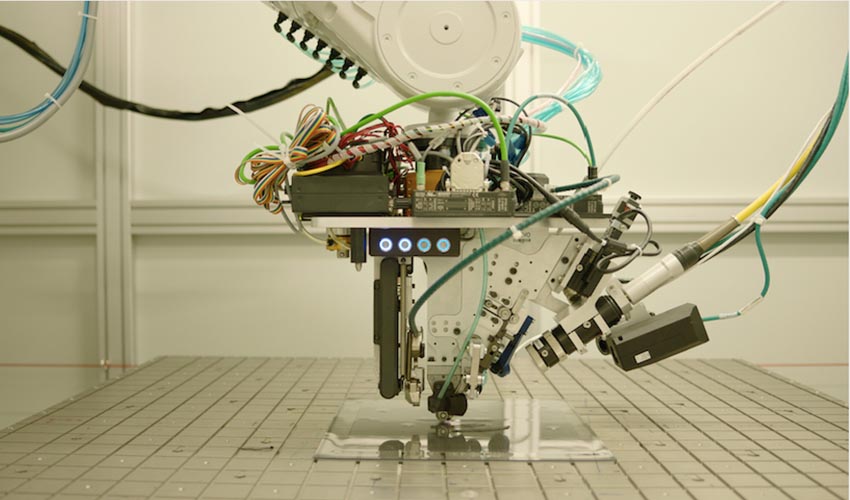 GuidesAREVO launches world’s first high-speed AM composite systemAREVO, a young Californian company, is known for having developed an additive manufacturing platform to transform composites production in the AM sector. As you may know, composites represent a growing segment in this industry, and have started competing with some…
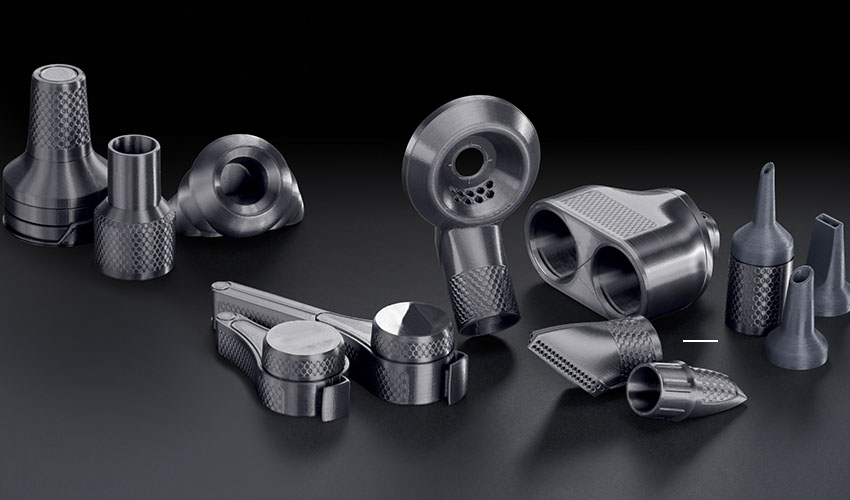 GuidesMiele on the 3D4U project and the benefits of using 3D printing in the home appliances marketMiele, the German manufacturer of high-end domestic appliances and commercial equipment, revealed back in May that it would make free STL files for household appliance accessories available through its 3D4U project. As you may know, one of the benefits of…
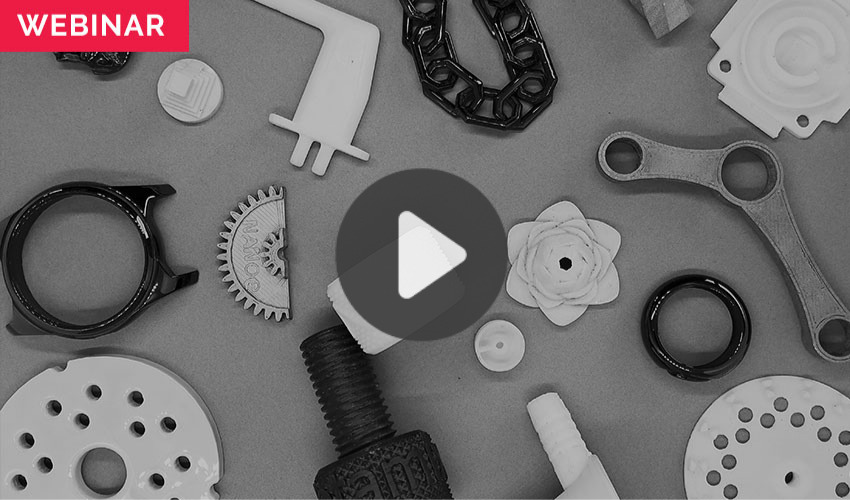 NewsTop 5 Videos: Using FDM to Print Ceramic and Metal FilamentsIn this week’s top 5, check out the latest webinar from 3Dnatives, “How Can You Use FDM to Print Ceramics and Metals?” Though ceramic and metal filaments are becoming increasingly common, especially for those using FDM for industrial purposes, there…
 MaterialsAdvancing bioprinting technology in spaceRecently, CELLINK announced an exciting partnership with Made In Space to develop advanced bioprinting technology for space. The space company develops state-of-the-art space manufacturing technology to support exploration, national security, and sustainable space settlement. The
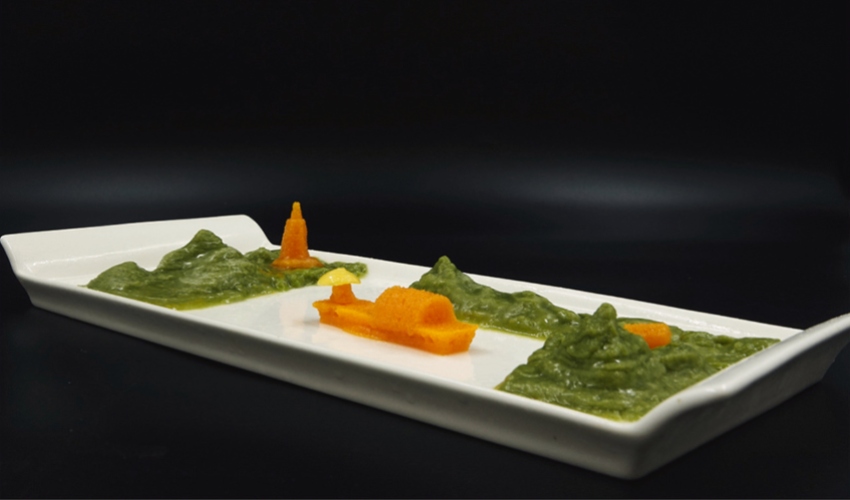 NewsResearchers Develop More Nutritional and Appetising Method of 3D Printing VegetablesSingaporean researchers have developed a novel method of 3D printing vegetables using food hydrocolloids. Previous three-dimensional food printing (3DFP) methods have largely relied on freeze-dried vegetable powders. This method, however, is centred around the use of fresh and fr
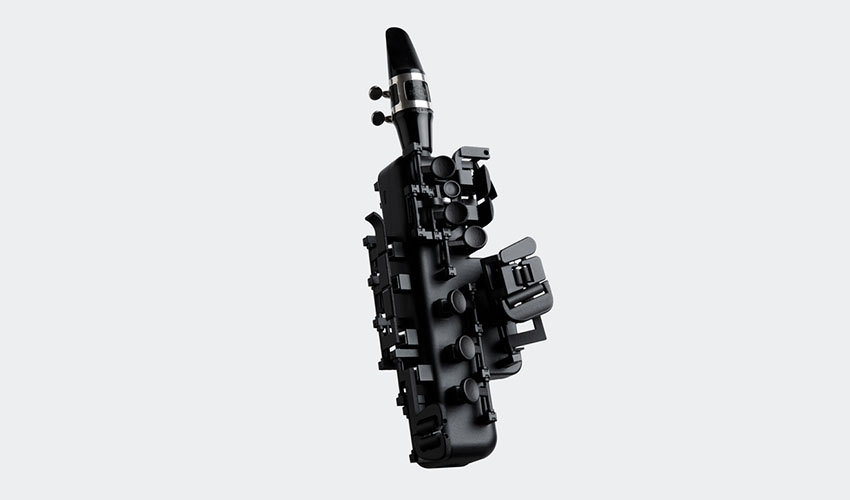 NewsOdisei Music and its electronic 3D printed saxophoneIt’s not the first time we’ve talked about 3D printed musical instruments. Today, the inclusion of additive manufacturing in art and music is becoming increasingly noticeable. An example of this is Odisei Music, a young company that has designed and…