News
Odisei Music and its electronic 3D printed saxophone
It’s not the first time we’ve talked about 3D printed musical instruments. Today, the inclusion of additive manufacturing in art and music is becoming increasingly noticeable. An example of this is Odisei Music, a young company that has designed and…
- 3 min read
- News
- Six more stories
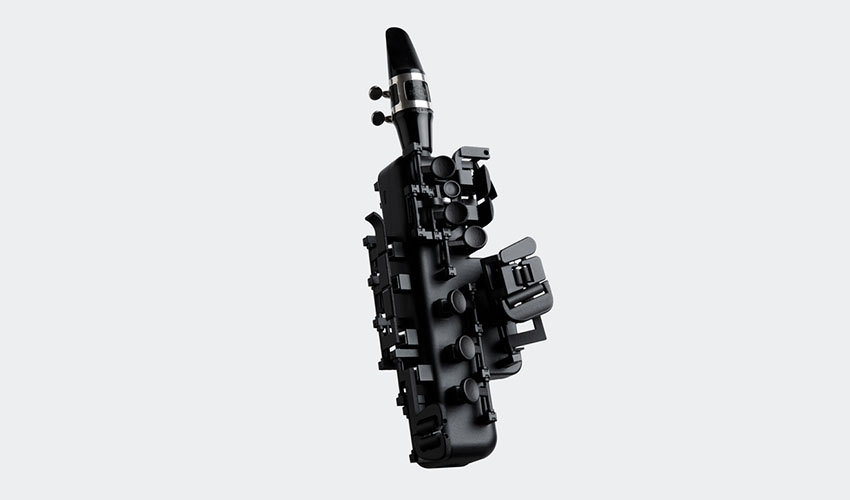
It’s not the first time we’ve talked about 3D printed musical instruments. Today, the inclusion of additive manufacturing in art and music is becoming increasingly noticeable. An example of this is Odisei Music, a young company that has designed and manufactured electronic wind instruments, the most famous being its electronic 3D printed saxophone. Its aim is to spread music around the world by helping musicians to develop their musical skills in a faster and easier way. To learn more about this company and its relationship to additive manufacturing technologies, we spoke with Odisei Music Founder and CEO, Ramon Mañas.
3DN: Can you introduce yourself and tell us how you came to know about 3D printing?

Ramon Mañas
I’m Ramon Mañas and I’m from Barcelona. I currently live in Sant Cugat del Vallés where we have our office. I am an Industrial Design Engineer by profession. My hobbies are music and automotive. The relationship between 3D printing started while I was studying engineering. In the university we had an FDM Stratasys printer with which we made prototypes for some of the projects that required it. Years later I started working at HP in the 3D printing sales department, which is when I got involved in the industry.
I had to do a lot of training to understand all the 3D printing technologies on the market. That way I learned very well how the HP Jet Fusion technology I was selling differed from the rest of the competitors. It was also while working at HP that I started to develop the Travel Sax in parallel (in the afternoons and evenings at the end of my working day). From the very beginning I was convinced that the Travel Sax would be manufactured thanks to 3D printing because of the advantages of additive manufacturing.
More from the desk
Six other notes from the rest of the bench.
 MaterialsAM of the Future: Cubic Ink® on High-Performance MaterialsCubic Ink® is part of the specialized chemicals company ALTANA and aims to produce high-performance materials for additive manufacturing that are suitable for various applications. To find out exactly what Cubic Ink® materials are all about, we had the opportunity…
 NewsFree-D, a Dynamic 3D Printed Watch Combining Traditional and Innovative TechnologiesSevenFriday, a company based in Zurich, offers lifestyle accessories such as watches and eyewear. From its beginnings, the company’s main objective has been to offer unique designs inspired by the industrial world. For 10th anniversary, SevenFriday certainly did not to&hell
 NewsHuisman Manufactures 3D Printed Crane Hooks With 350-Ton Lifting CapacityFor quite some time now, additive manufacturing has been advancing far beyond FDM 3D printing. This relatively new technology can be found in numerous industrial applications today. Such is the case in the construction industry, where demands on components are…
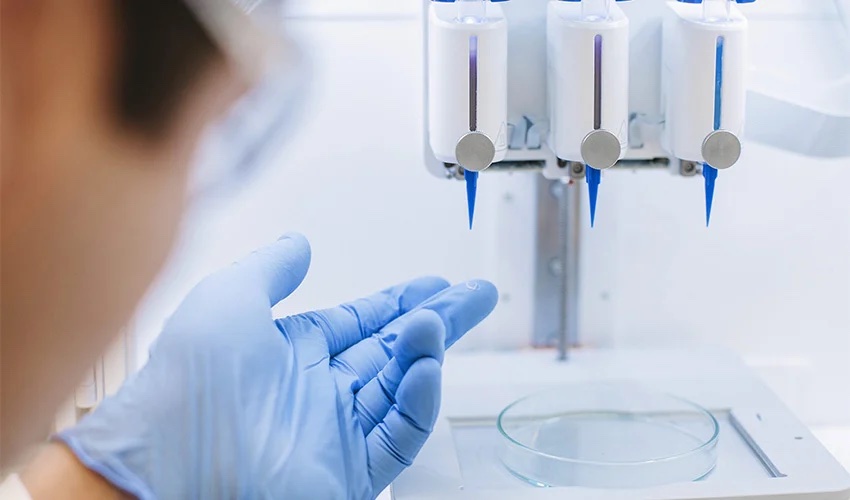 ApplicationsResearchers Have Developed A Safer Bioink That Hardens at Body Temperature3D bioprinting is a technique that is gaining momentum in the medical industry. This technology uses bio-materials to create artificial tissue structures needed to treat patient diseases or injuries. The hydrogel-based bioinks used for this process are composed of cells.…
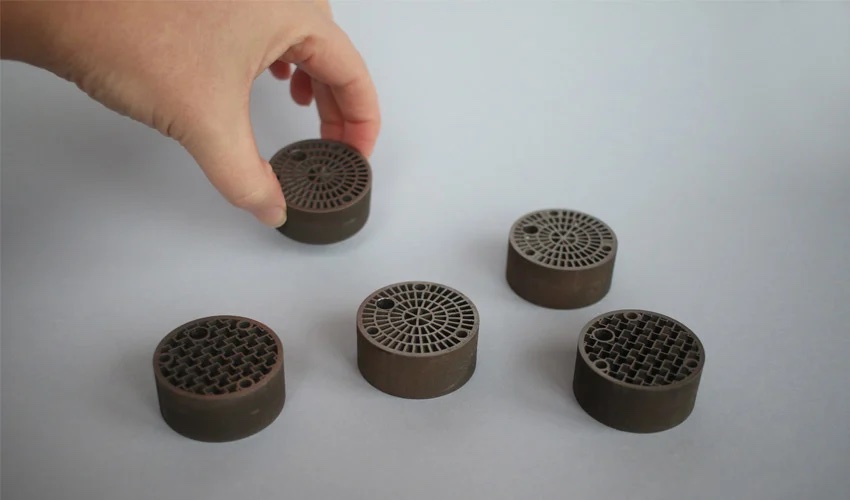 Guides#3DStartup: AddCat and its 3D Printed Reactors Which Can Purify the AirDutch startup AddCat combines metal additive manufacturing and catalytic oxidation to develop reactors capable of effectively purifying air. The startup hopes to reduce harmful industrial emissions and some of the unpleasant odors found in some industries (for example biogas plan
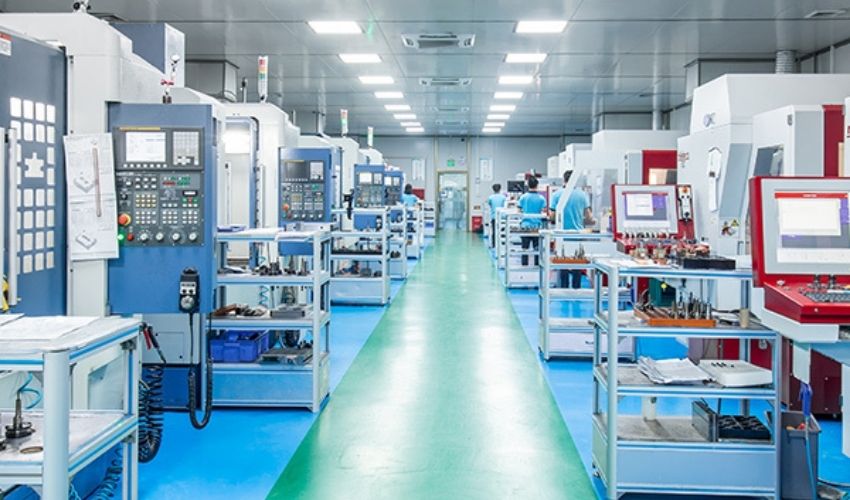 NewsRapidDirect’s On-Demand Rapid Prototyping PlatformRapid Prototyping helps designers introduce new concepts to clients and other stakeholders in order to get real tactile feedback — being able to do this as quickly as possible, at the least expense, is where companies gain a competitive advantage. Therefore,…