News
The extrusion temperature influences particles emitted during printing
What is the effect of the temperature of the 3D printing nozzle on the emission of toxic particles during the manufacturing process? This is the subject of new research conducted at Seoul National University: a team of scientists has tested…
- 3 min read
- News
- Six more stories
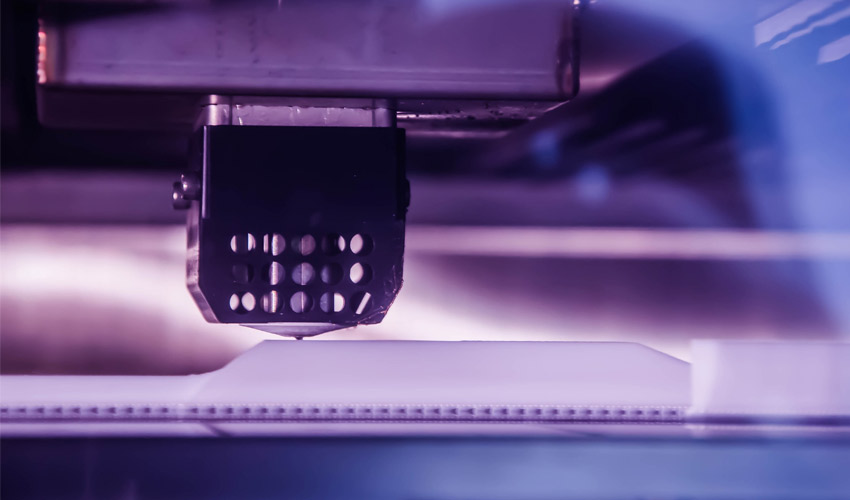
What is the effect of the temperature of the 3D printing nozzle on the emission of toxic particles during the manufacturing process? This is the subject of new research conducted at Seoul National University: a team of scientists has tested several so-called classic polymers – PLA, ABS and nylon – at different extrusion temperatures. They found that the higher the temperature, the higher the rate of particle emissions. The extrusion temperature is therefore an important factor to take into account in order to operate your FDM 3D printer safely.
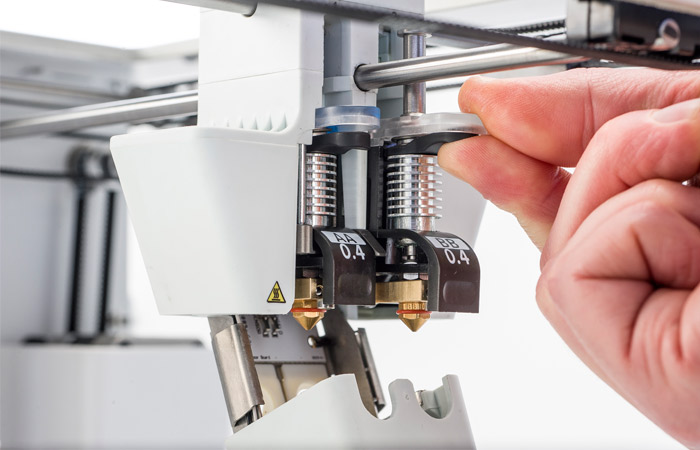
As we told you just last week, one of the hazards of FDM 3D printing is the emission of potentially toxic particles, volatile organic compounds (VOCs) that can pose a health risk to the user if exposed for too long. This is why manufacturers recommend the use of a filtration solution, or to operate their machine in a dedicated space. But what will affect this rate? What are the factors to consider when trying to lower emissions? We know that the polymer used will have a more or less important effect on the quantity of particles emitted, but also the temperature of the tray or chamber. This is partly why manufacturers recommend parameters, whether to facilitate the printing process or to guarantee a certain degree of security. The Korean researchers wanted to go further in determining these factors by looking specifically at the temperature, especially that of the extrusion process.
Credits: Ultimaker
What is the effect of variation in extrusion temperature?
The researchers explain that they worked with machines with closed enclosures to avoid temperature fluctuations and to accurately measure particle counts. They tested 4 different materials, PLA, nylon, ABS and wood-filled PLA: each filament was used twice to produce a total of 8 cubes by varying the temperature. The temperature was between 185°C and 290°C, with intervals of 15°C at each fluctuation.
More from the desk
Six other notes from the rest of the bench.
 NewsSandvik Has Developed 3D Printable Cemented CarbideSwedish materials manufacturer Sandvik has been developing cemented carbide for the manufacturing industry for several years now. Recently, the company announced that it has been working on a range designed for additive manufacturing. Manufacturers can then 3D print parts that&he
 ApplicationsApplication of the Month: 3D Printed Scaffolds Help Rebuild Australian Man’s JawboneResearchers at the University of Queensland have accomplished an incredible feat. Clinicians at the school of dentistry have successfully used custom-made 3D printed bone scaffolds in staged alveolar bone augmentation to help rebuild part of a man’s jawbone. The hope…
 NewsTop 5 Videos: See How Lattice Medical 3D Prints ImplantsThis week, we have five more videos about innovations in 3D printing. First up, we bring you an exclusive interview with the French company Lattice Medical, which 3D prints implants for tissue regeneration. Then, we have a video on how…
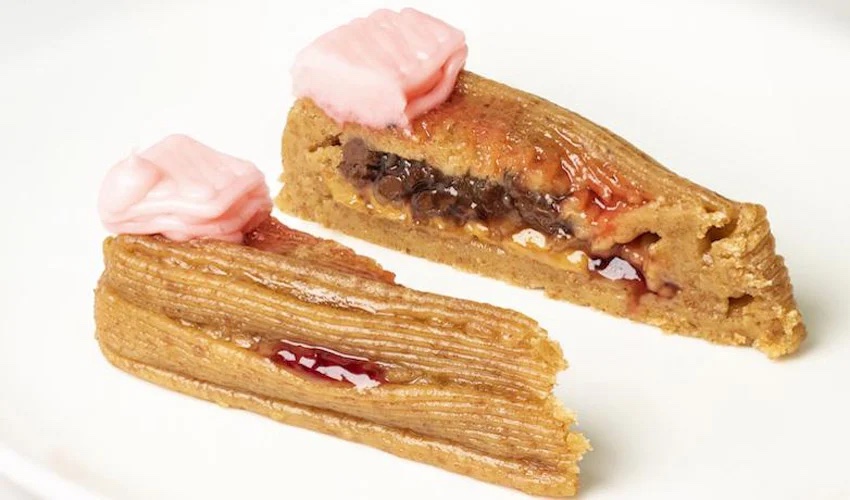 NewsColumbia University Has 3D Printed a 7-Layer CheesecakeThough food 3D printing may not have yet convinced all food lovers, it certainly has raised its fair share of questions. For example, is a food 3D printer healthy? Or can it improve the way we eat and respond to…
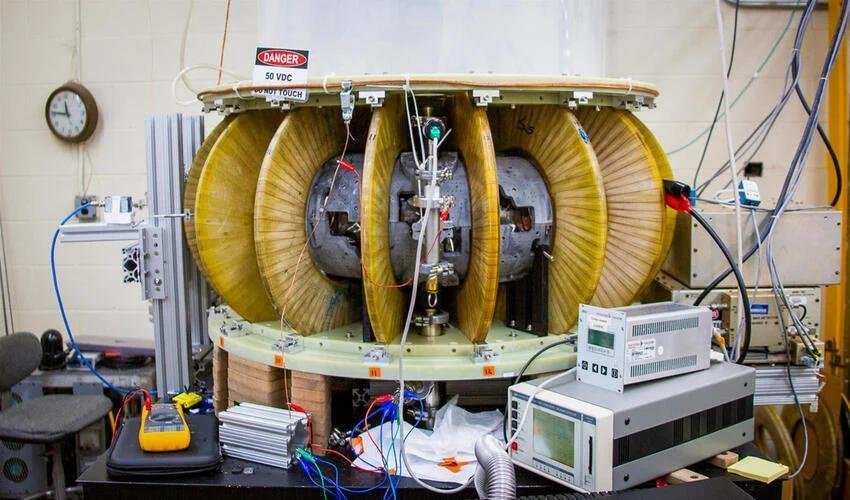 NewsMUSE: The First Star Stellarator With A 3D Printed CasingTechnological progress in energy production, free from reliance on fossil fuels, is undergoing exponential growth, facilitated by the emergence of new energy sources and cleaner processes. Today, we showcase a prime example of such innovation: plasma, a field that has…
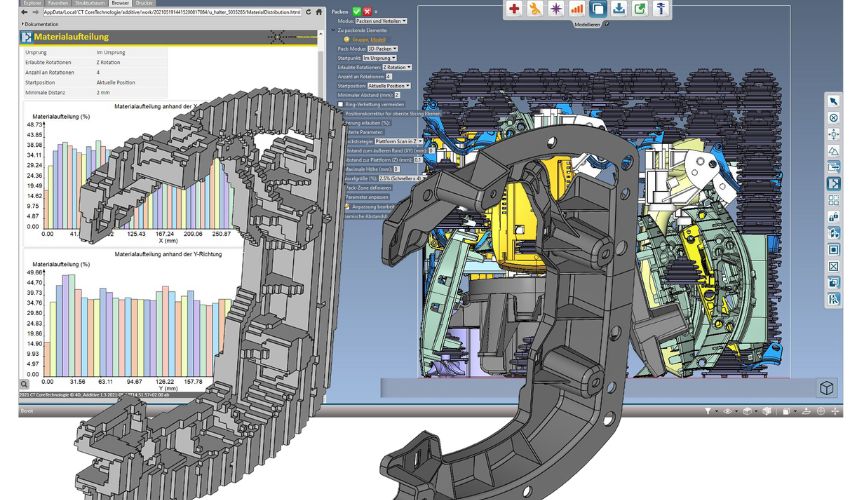 SoftwareCoreTechnologie on the Latest Update of Their 4D_Additive SoftwareEveryone should be aware that additive manufacturing is not just about 3D printing itself. In addition to post-processing, the use of the right software for creating the 3D-printed model also plays a major role. If you are looking into choosing…