News
Equinor brings critical 3D printed part to offshore location with a drone
First established in 1972, Equinor has been pushing the boundaries of technology to solve challenges in the oil & gas industry. Today, the company aims to be the world’s most carbon-efficient oil and gas producer, as well as driving innovation…
- 3 min read
- News
- Six more stories
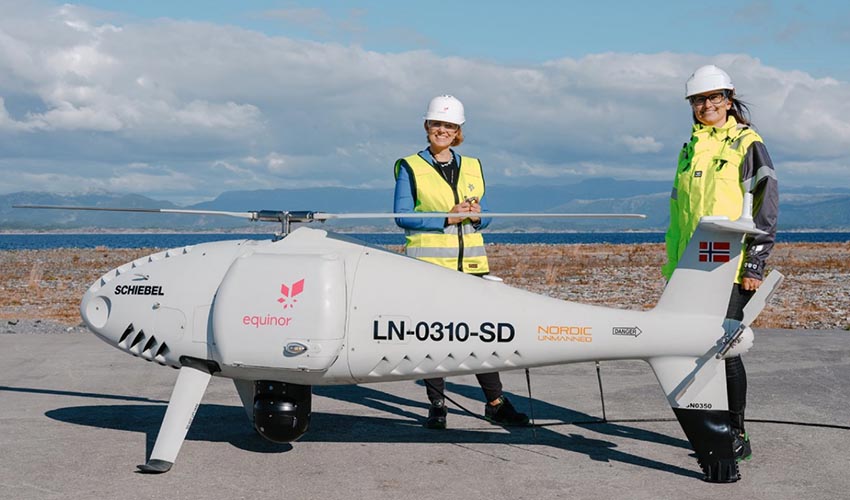
First established in 1972, Equinor has been pushing the boundaries of technology to solve challenges in the oil & gas industry. Today, the company aims to be the world’s most carbon-efficient oil and gas producer, as well as driving innovation in offshore wind and renewables. In recent years, the company has been interested in using drones and 3D printing to boost production efficiency and lower CO2 emissions from Norwegian oil and gas. In fact, even more recently, Equinor successfully flew a drone to bring a 3D printed spare part from the Mongstad base (Norway) to the Troll A platform (Norway’s largest gas producer) in the North Sea.
Why put in place such a system to bring a 3D printed part to another location? Arne Sigve Nylund, Executive Vice President for Development and Production Norway, explains: “Equinor aims to lead the way in utilizing new technology on the Norwegian continental shelf. Development is rapid, and we see a huge potential within drone technology that could transform the way we operate, both under and above the sea surface.” Drones can be used as efficient transportation systems to bring necessary parts on-site, introducing more flexibility in traditional supply chains, but also reducing CO2 emissions.
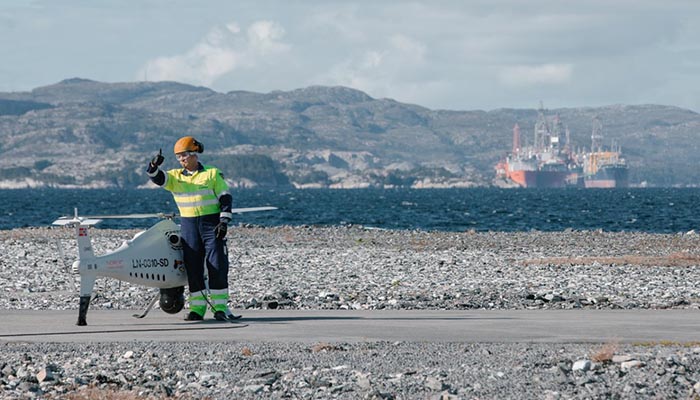
Photo: Ole Jørgen Bratland / Equinor ASA
For example, Equinor explains that the flight spanning around 80 kilometers to the Troll field took about an hour, at an altitude of approximately 5,000 feet. Even though the flight was just a test, it was conducted under normal conditions. The 3D printed part transported was a diesel nozzle holder, a critical component in the lifeboats on Troll A. Given that the part is no longer manufactured and difficult to obtain, additive manufacturing technologies allowed to re-model it, and using an advanced metal process, a replica was produced in a sturdy industrial alloy (Inconel 718). After all, one of the key benefits of 3D printing technologies, which has been demonstrated time and time again, is their ability to manufacture completely unique pieces at a competitive price (no need to invest in a mold) and under strict time constraints.
More from the desk
Six other notes from the rest of the bench.
 NewsSwarovski Turns to xolo to 3D Print Glass CrystalYou’re probably familiar with Swarovski, the famous jewelry manufacturer renowned for its work in glass crystal. The company has just signed a collaboration with an additive manufacturing player, xolo. This manufacturer has developed a volumetric 3D printing technology that
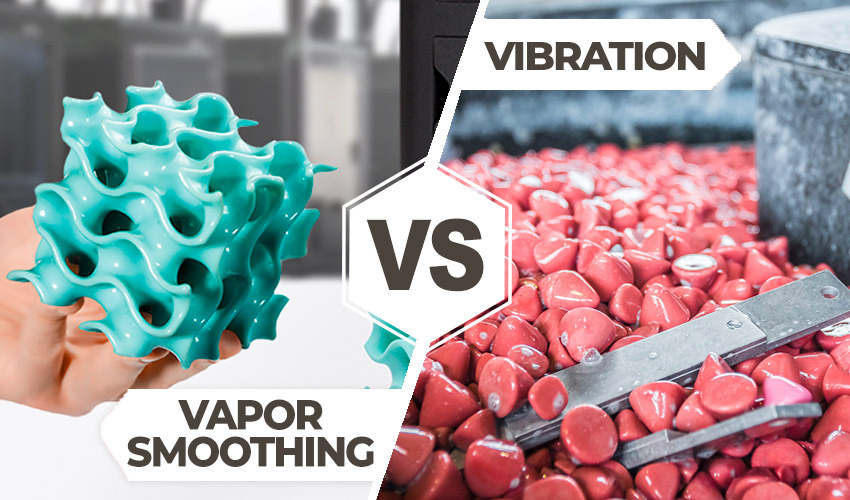 GuidesVapor Smoothing vs. Vibratory Finishing: Which Surface Finishing Process Should you Choose?In order to achieve a polished and refined surface on 3D printed parts, engineers use a broad range of industrial finishing techniques including coating, sandblasting and hand finishing methods. Although 3D printing allows for the production of intricate and complex…
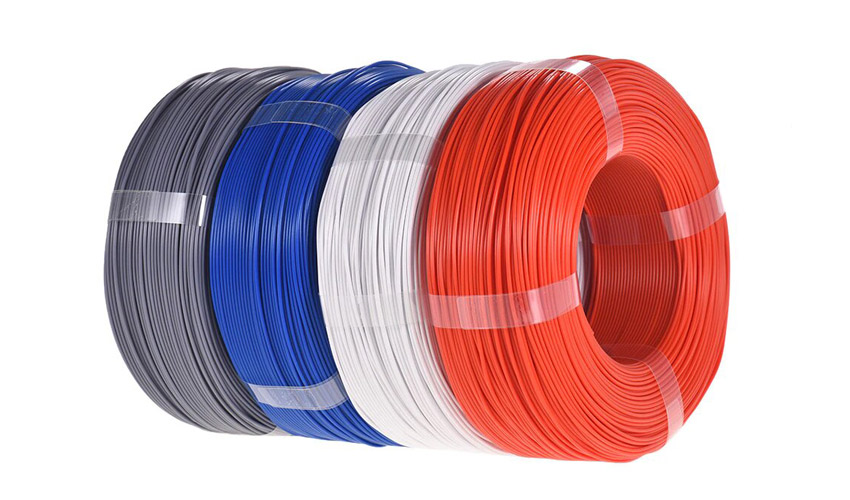 MaterialsRefill: The Spool-Less Filament to Reduce Plastic WasteIt is a common problem that users of fused deposition modeling (FDM/FFF) 3D printing face: what to do with the large amount of empty plastic spools? While some recycle them, many throw them away in a garbage can, thus making…
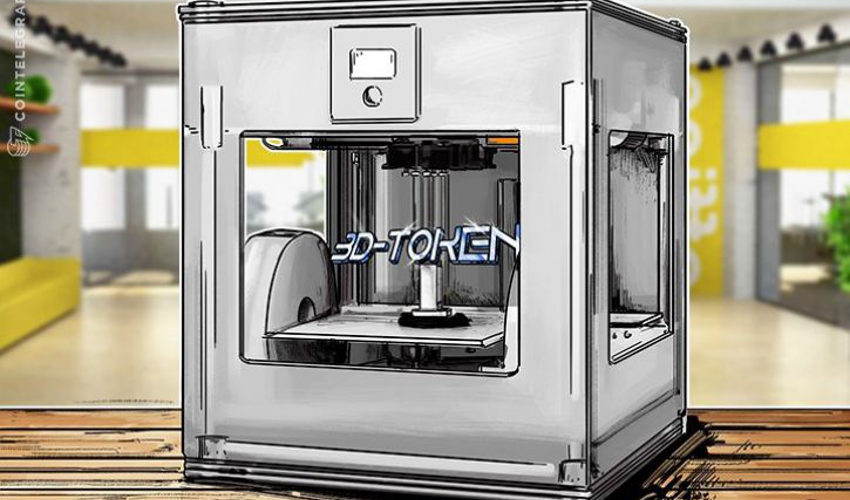 News3D-TOKEN: 3D Printing Cryptocurrency on the BlockchainIt’s official: the inevitable has happened. The blockchain hype has reached 3D printing, for better or for worse. Perhaps this is an ode to the advancement of 3D printing in the last few years, it is now considered a technology…
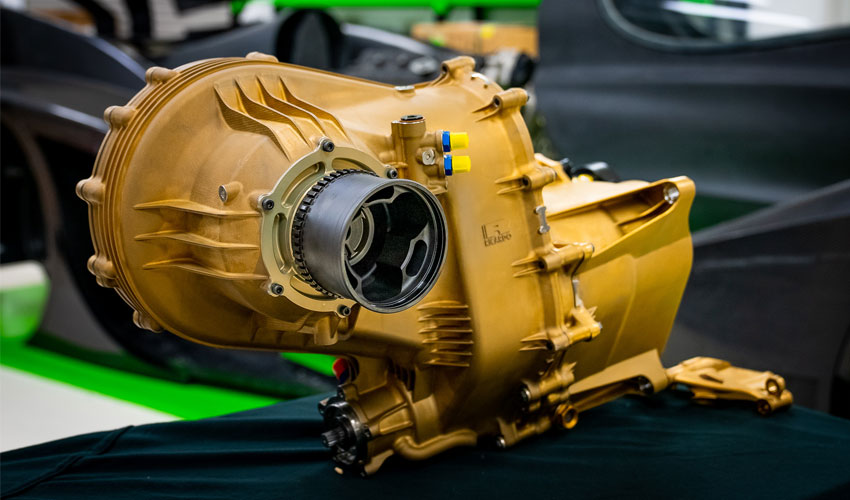 MaterialsRodin Cars 3D Prints A Sequential Titanium GearboxNew Zealand racing car maker Rodin Cars is implementing the use of metal additive manufacturing to produce parts for its new hypercar, the Rodin FZERO. Thanks to the DMP Factory 500 3D printer, the company was able to design its…
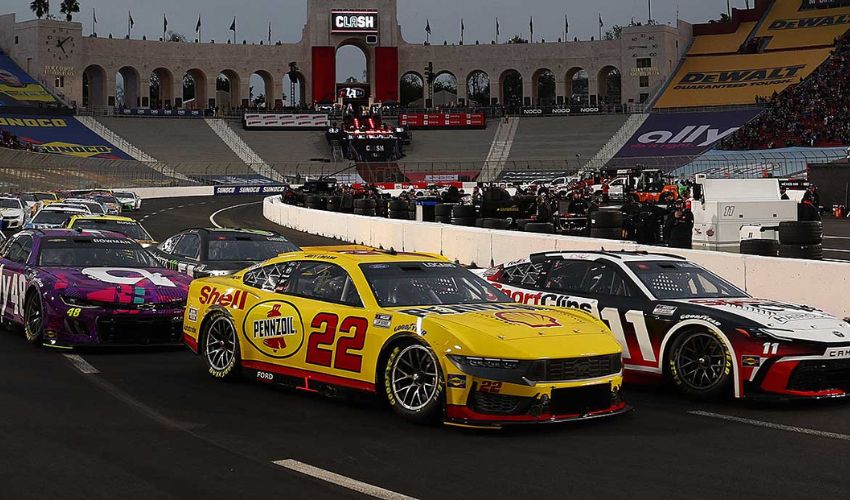 ApplicationsNASCAR Announces Official 3D Printing PartnershipFormula 1 has long been a fervent adopter of additive manufacturing, but did you know that its American cousin, NASCAR, has also been adopting the technology? A fact that has only been cemented with a new press release from the…