Materials
Refill: The Spool-Less Filament to Reduce Plastic Waste
It is a common problem that users of fused deposition modeling (FDM/FFF) 3D printing face: what to do with the large amount of empty plastic spools? While some recycle them, many throw them away in a garbage can, thus making…
- 3 min read
- Materials
- Six more stories
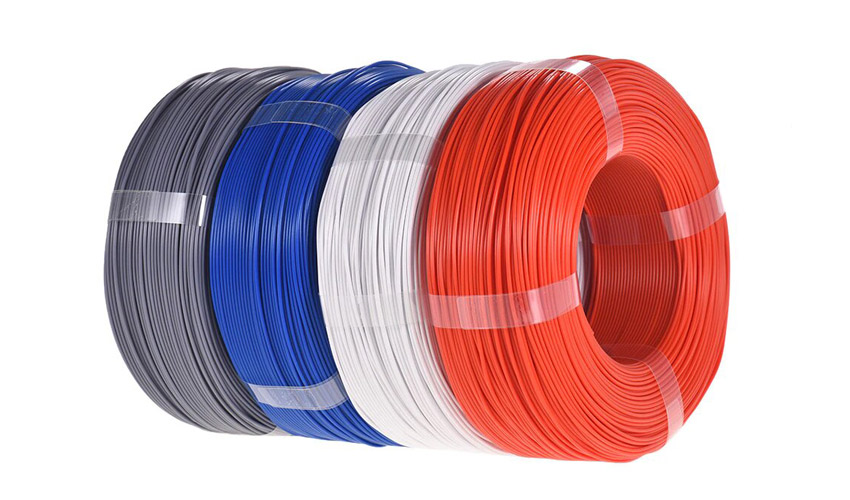
It is a common problem that users of fused deposition modeling (FDM/FFF) 3D printing face: what to do with the large amount of empty plastic spools? While some recycle them, many throw them away in a garbage can, thus making it impossible to sort them out of the regular trash. In addition to this environmental issue, spools can quickly become cumbersome, especially if you use a lot of filaments. In order to circumvent these barriers, certain material manufacturers have reimagined filaments to make them spool-less, called Refill. In France, the distributor Atome3D offers these solutions, in particular those of eSun and Tag3D and soon Rosa3D, engaging in a policy of waste reduction.
While 3D printing uses only the amount of material needed, thus avoiding overconsumption of materials, its environmental impact is not to be overlooked – it is a plastics-consuming industry and recycling issues remain at the heart of many players’ concerns. Beyond the composition of polymers – fossil industry or natural resources – packaging is an additional challenge. For the FDM/FFF process, filaments are generally sold with plastic spools. Once finished, processing them is not so clearcut and while some reuse the spools as storage or winders, they take up space. That’s why some people have come up with refillable spools, called MasterSpool, taking inspiration the cosmetics industry which creates soap or shampoo bottles that can be refilled once the bottle is empty, as well as reusable water bottles that are replacing plastic bottles.
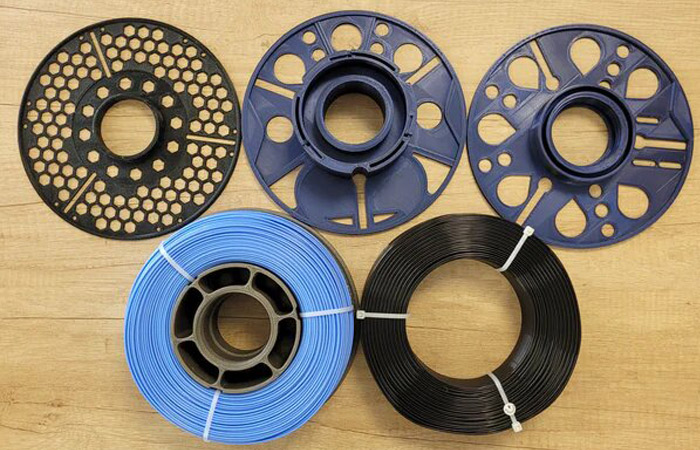
The 3D printed spool and Refill filaments (photo credits: Atome3D)
Atome3D offers filaments without spool, called Refill. These are materials designed by the companies Esun and Tag3D – though please note that more and more manufacturers are offering this type of filament. The range includes PLA and PETG in different colors and weights (currently 750 grams and 1 kilo). Each filament refill comes with clamps to hold the filament securely and is vacuum-packed to protect against moisture.
More from the desk
Six other notes from the rest of the bench.
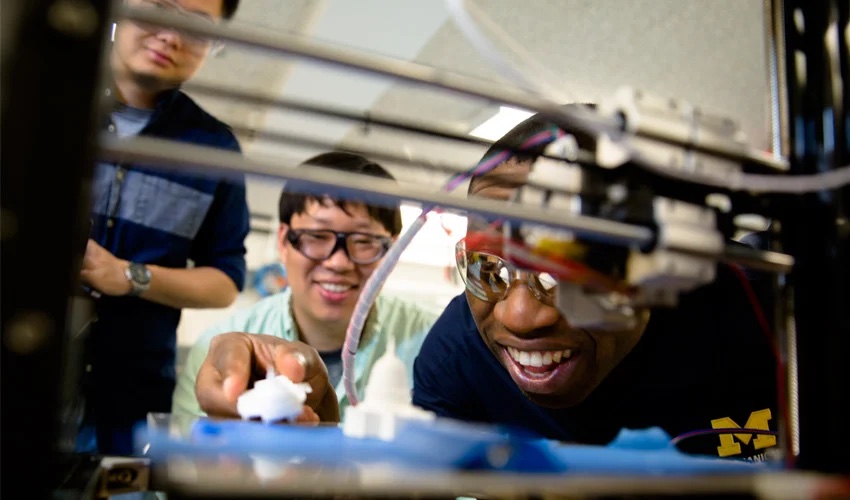 SoftwareNew Software Reduces FDM 3D Printer Vibration Without Losing SpeedImagine a kind of software that can allow your FDM 3D printer to maintain a high printing speed while keeping a decent level of accuracy. The University of Michigan invented a solution following that exact idea. Back in 2017, we…
 MaterialsMIT Uses Artificial Intelligence To Automate 3D Printing Materials Discovery ProcessArtificial Intelligence, and more specifically, machine learning, is finding its way through various applications in the additive manufacturing industry. This time, researchers from MIT have applied the data-driven nature of machine learning to automate the process of discovering
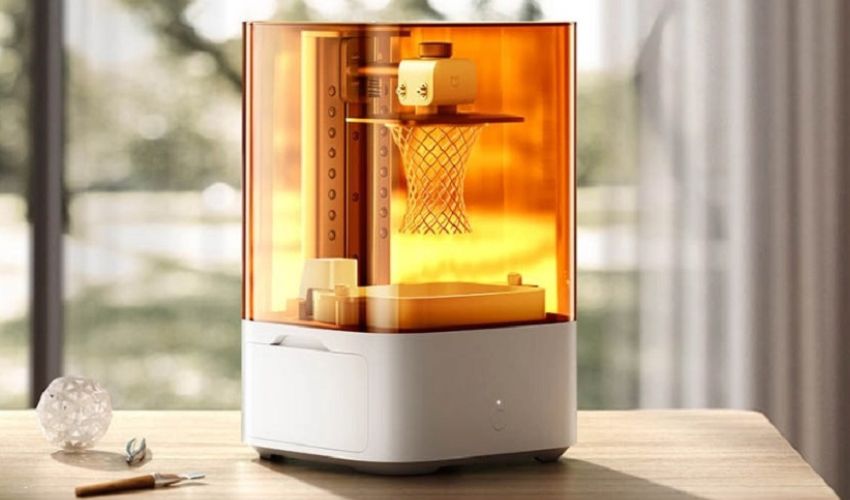 PrintersChinese Tech Conglomerate Xiaomi Debuts New 3D PrinterIn the ever-expanding realm of innovation, Xiaomi, a massive Chinese designer and manufacturer of consumer electronics, software, home appliances, and household hardware, has taken its first step into the world of additive manufacturing with the introduction of its debut product,
 NewsWhat Is the Current State of 3D Printing in Australia?When people think of Australia, many things come to mind: the Outback, unique wildlife, stunning landscapes, and surfing, among others. Additive manufacturing can now be added to that list. The 3D printing sector has rapidly grown in Australia over the…
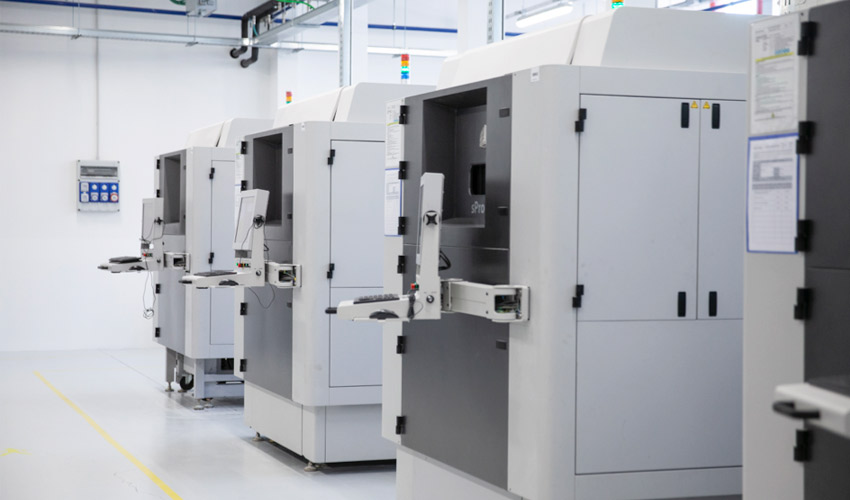 News3D Systems expands further in Europe with launch of new AM centre3D Systems has expanded its On Demand service in Europe with the recent launch of its brand new Advanced Additive Manufacturing centre in Pinerolo, Italy. Over the past 15 months, the company has made a significant investment, more than doubling…
 NewsLEGO Joins Women in 3D Printing to Encourage More DiversitySpaceships, castles, cars… one thing is sure, LEGO has played a special role the childhood of many children! And while the brand is known for making children’s dreams come true, they also are working to improve the daily life of…