Applications
A team of engineers bio-printing ligaments and tendons
At the University of Utah, a team of bio-medicine engineers has developed a method for 3D bio-printing human tissue. In particular 3D bio-printing ligaments and tendons. They modified a conventional 3D extrusion printer and used stem cells extracted from adipose tissue. A…
- 3 min read
- Applications
- Six more stories
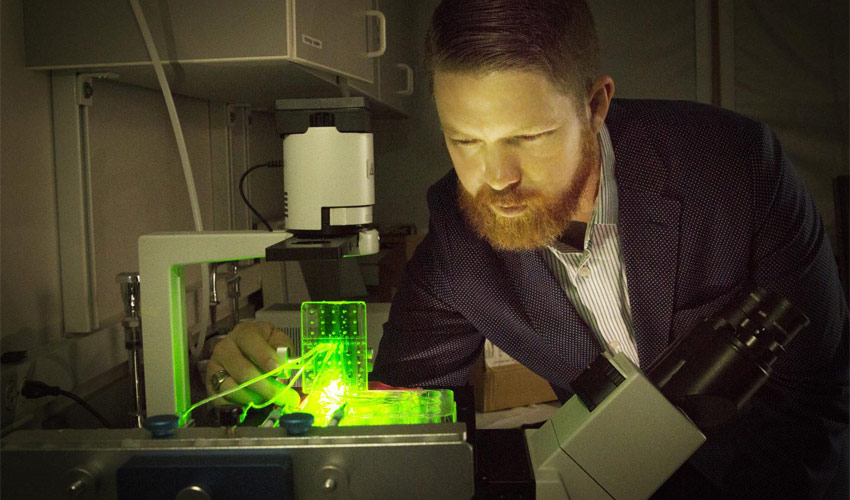
At the University of Utah, a team of bio-medicine engineers has developed a method for 3D bio-printing human tissue. In particular 3D bio-printing ligaments and tendons. They modified a conventional 3D extrusion printer and used stem cells extracted from adipose tissue. A solution that could benefit all those who suffer from rupture of ligaments or fissure of the intervertebral disc.
The bio-printing technology is developing rapidly and with it an interesting use of the technology in the medical sector is emerging. Even if it is still in its infancy, it allows for advances in the creation of customised cell structures. Including such as liver tissue or even organs. We recently met up with the startup BIOLIFE4D, which hopes to bio-print the first functional human hearts and thus solve the problem of the lack of organ donors today. In the United States, engineers based in Utah have been studying the design of tendons and ligaments. Focused on facilitating the care of people who have been injured.
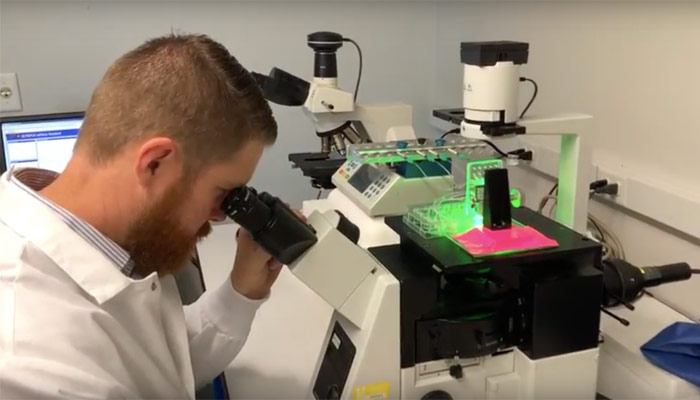
Bio-printing ligaments and tendons
Currently, people who have torn a ligament or tendon can have it replaced by removing it from another part of the body or a corpse. But most of the time, they are of poor quality; this is where bio-printing can make a difference. Robby Bowles, professor of biomedical engineering, explains, “This will allow patients to receive replacement tissues without additional surgeries and without having to harvest tissue from other sites, which has its own source of problems,“
More from the desk
Six other notes from the rest of the bench.
 NewsOsaka University Researchers Discover Ultrasonic Quality Control MethodAs additive manufacturing companies embrace the design freedom of 3D printing products and parts, they also have to overcome the obstacle of maintaining quality control. Researchers from Osaka University in Japan have uncovered a solution that will help companies achieve…
 MaterialsAn Organic 3D Printed Shoe CollectionThe ORGANIC shoe collection is a collaboration between Lucie Trejtnarová, a postgraduate student at Tomas Bata University in Zlin, Czech Republic, materials manufacturer, Fillamentum and the design studio, Malai Design & Materials. As its name suggests, this shoe collection i
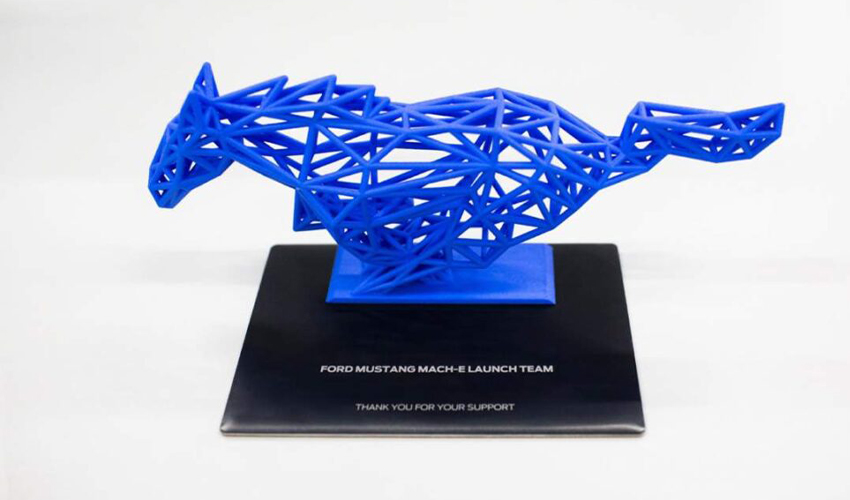 NewsFord Thanks Mustang Mach-E Customers with 3D Printed SculptureFor many years now, Ford has been recognized in the automotive industry for its use of additive manufacturing. In 1988, the American car manufacturer acquired the first 3D printer available on the market. A daring bet for the company, which has proven…
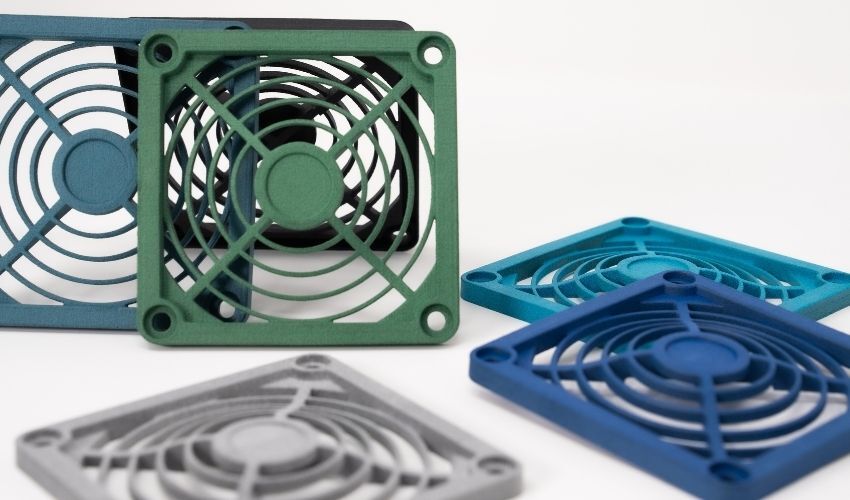 SoftwareDyeMansion and Stratasys Jointly Create Reference Architecture for Production-Scale Additive ManufacturingThe additive manufacturing industry never sleeps. This has been proven again by Stratasys and DyeMansion, who, after unveiling new machines and solutions within the last two months, have now announced that they are working together on a new project. Leading…
 GuidesCellule design studio places 3D printing at the heart of scientific innovationCellule is a UK-based design studio that uses new technologies to better understand the healthcare industry and to offer a personalized care system tailored to each patient’s reality. They use 3D printing, including Fused Deposition Modeling (FDM) technology, to design very
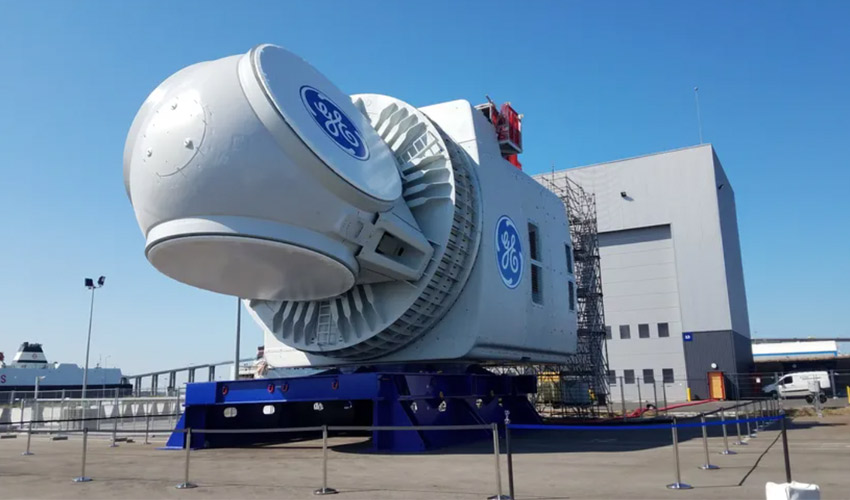 NewsGE Uses Binder Jetting to Design the World’s Largest Offshore Wind TurbineThe American giant General Electric (GE) has announced the signing of a partnership with Fraunhofer IGCV and Voxeljet to develop a new 3D printer capable of designing the molds of certain key components of the Haliade-X offshore wind turbine. The…