Applications
More Durable and Efficient Lithium Batteries Made by Additive Manufacturing
We have known for years that vehicles with internal combustion engines, which produce polluting emissions, are very dangerous for our environment and our planet. It is therefore not surprising that we are increasingly interested in electric vehicles. The environmental advantage&h
- 3 min read
- Applications
- Six more stories

We have known for years that vehicles with internal combustion engines, which produce polluting emissions, are very dangerous for our environment and our planet. It is therefore not surprising that we are increasingly interested in electric vehicles. The environmental advantage is obvious: Eco-friendly driving. In this case, there are no local CO2 emissions, but when it comes to producing the batteries for those vehicles, it becomes a whole different story. In order to move toward an even greener future, the U.S. Department of Energy (DOE) has awarded approximately $1.5 million in funding to Ampcera and Lawrence Livermore National Laboratory (LLNL). The goal is to improve the performance and energy density of lithium batteries through additive manufacturing and to make them more economical and sustainable.
Lithium batteries can be considered the heart of any electric car. They are largely responsible for its operation. Although such a battery contributes to the operation of an environmentally friendly car, it does have its drawbacks, including the environmentally unfriendly extraction of raw materials, as well as the fact that the lithium battery is considered flammable and requires cooling. In order to eliminate at least some of these drawbacks, the U.S. Department of Energy has stepped in.
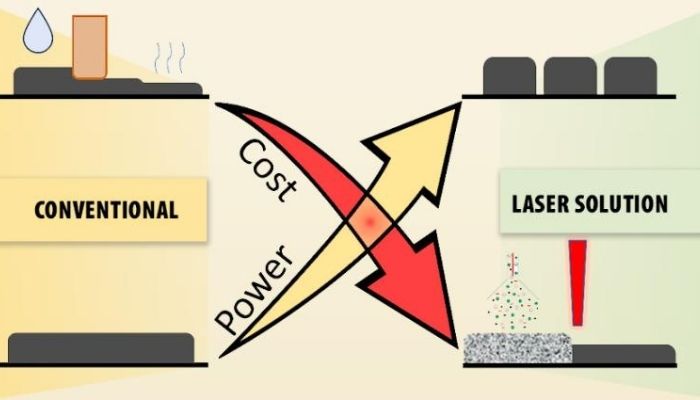
The goal is to reduce costs and increase performance (photo credits: LLNL)
The Benefits of a Lithium Battery Produced via AM
Ampcera is considered an innovative supplier to the lithium battery market and, in collaboration with Lawrence Livermore National Laboratory, this project is one of six energy systems projects selected for an award from DOE’s Advanced Manufacturing Office. The focus is on reducing industrial emissions and, therefore, producing clean energy technologies. This goal is to be achieved through additive manufacturing, as it is considered to be very energy efficient. With a reduction in lithium battery manufacturing costs of more than 50%, additive manufacturing is expected to be more than 10 times more efficient than traditional manufacturing methods. In addition, the production of lithium batteries by 3D printing is also expected to increase energy density to over 450 Wh/kg and reduce costs to less than US$75 per kWh. However, nothing is known about the process used.
More from the desk
Six other notes from the rest of the bench.
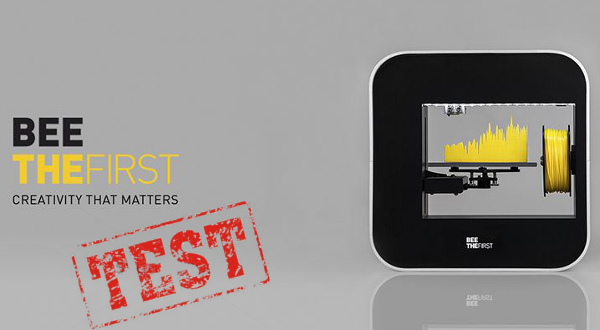 News3Dnatives Lab: Our Test of the Beethefirst 3D PrinterAfter testing and using many 3D printers, the effervescence is still the same with each unboxing of a printer. What treasure does this box contain? What new 3D adventures will we experience?What surprise will we discover? This is what we…
 ApplicationsOxford Performance Materials Aids Ukraine War Victims with 3D Printed Orthopedic ImplantsAmerican additive manufacturing company Oxford Performance Materials (OPM) recently announced an agreement to assist the non-profit organization Orthopedic Help for Ukraine (OHFU). Through this, the company will be aiding victims of the Russian invasion of Ukraine, by supplying 3
 NewsSavorEat Makes History on the Tel-Aviv Stock ExchangeThe Israeli food-tech company SavorEat produces 3D-printed plant-based meat alternatives. After going public earlier this year, SavorEat made history. It was the first company of its kind to be listed on the Tel Aviv Stock Exchange (TASE) and raised NIS…
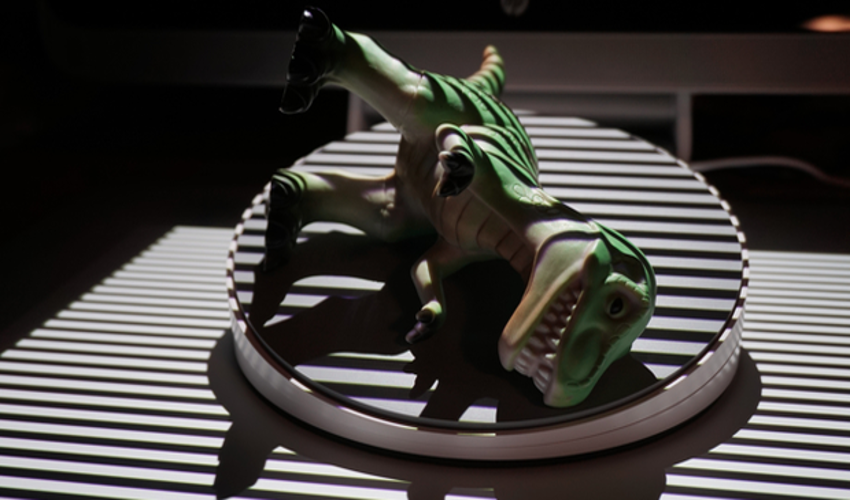 Printers3D scanning through structured light projectionThe advances in 3D printing and 3D scanning are progressing at a high pace, but the technologies behind them are still unclear for some. Following our series on the main techniques used in 3D printing, we will now present you with…
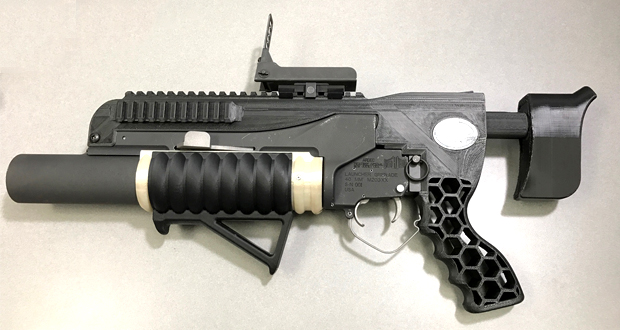 News3D printable gun files on sale for as low as $12 on the dark-web3D-printed weapons have been a major industry controversy since 2013. On May 6, 2013, Cody Wilson, the Senior Representative of the group Defense Distributed, unveiled and distributed the first weapon created with 3D printing, the “Liberator”. In only two days time&he
 NewsUMaine Uses Giant 3D Printer to Speed Nuclear Reactor BuildThe University of Maine is proving that large-scale 3D printing is rapidly becoming one of the most transformative tools in modern infrastructure development. When California-based Kairos Power set out to build its experimental Hermes nuclear reactor in Tennessee, the company&hel