Printers
3D scanning through structured light projection
The advances in 3D printing and 3D scanning are progressing at a high pace, but the technologies behind them are still unclear for some. Following our series on the main techniques used in 3D printing, we will now present you with…
- 3 min read
- Printers
- Six more stories
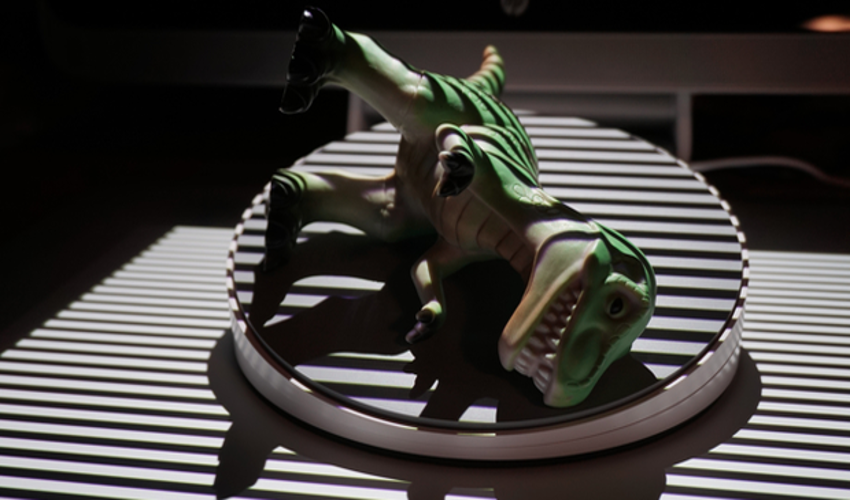
The advances in 3D printing and 3D scanning are progressing at a high pace, but the technologies behind them are still unclear for some. Following our series on the main techniques used in 3D printing, we will now present you with our new series on the different techniques found in 3D scanning, beginning with structured light projection.
3D Scanning as it is nowadays was first developed in the 80s. However, the first to really use this type of application dates back to ancient Egypt, when the Egyptians would recreate the heads of mummies using plaster. Although their way doesn’t seem quite technological in itself, 3D scanning today still uses this same principle, working with real samples in order to recreate it digitally.
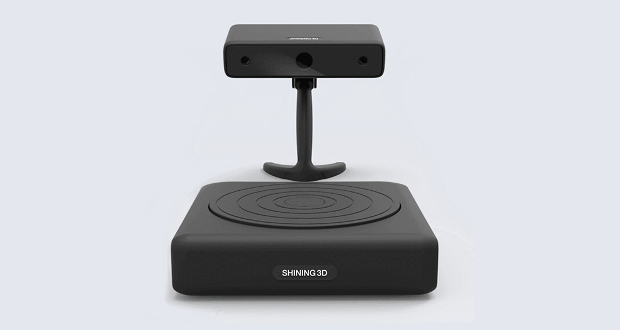
Einscan-S, Structured Light Scanner
The main 3D scanning techniques used today are Structured light projection, photogrammetry, and pulse propagation. Focusing on Structured light projection, this technology allows three-dimensional objects to be digitally reproduced. But how is that possible?
More from the desk
Six other notes from the rest of the bench.
 PrintersA new 3D scanning process that takes 3D scanning underwater3D scanners are a very useful tool when you want to create a new 3D model of an already existing physical object. 3D scanners that you can currently find on the market today are very efficient and accurate, but when…
 MaterialsDesktop Metal Acquires Aerosint and Launches Into Multi-material 3D PrintingFor several months, Desktop Metal has been making acquisitions. After buying EnvisionTEC this past January, the American firm announced a few months later the acquisition of Forust Corporation, a company specializing in wood additive manufacturing. Now the list continues to&helli
 GuidesStartup of the month, Aspect Biosystems: bioprinting human tissuesOur startup of the month is Aspect Biosystems, a Canadian specialist in bioprinting. Aspect Biosystems has developed a unique technology that allows the creation of customized human tissues for different applications such as drug development, regenerative medicine, disease unders
 GuidesWhat is the Status of Women in the 3D Printing Industry?International Women’s Day takes place every year on March 8th. According to the United Nations, it is a global day that celebrates the achievements of women around the world as well as the progress that has been made up to…
 ApplicationsMercedes-Benz 3D prints their first metal part for trucksRecently, another milestone has been achieved in additive manufacturing, as the Stuttgart-based car manufacturer, Mercedes Benz, becomes the first company to rely on 3D printing to create metal spare parts for their trucks. Following a lengthy quality assurance process, the&helli
 NewsThanks to 3D printing, you can now build a home in just 24 hoursHave you ever dreamed of owning a fully functioning low-cost home? Well now you can and it’s all thanks to 3D printing technology. In Moscow, a Russian manufacturer of concrete 3D printers has taken on the next movement in the…