Materials
The Different Types of Resins Available for 3D Printing
As we have seen on numerous occasions, choosing the right material is a fundamental step in additive manufacturing. This is especially important in resin 3D printing, a process in which photosensitive materials are cured layer by layer until the final,…
- 3 min read
- Materials
- Six more stories
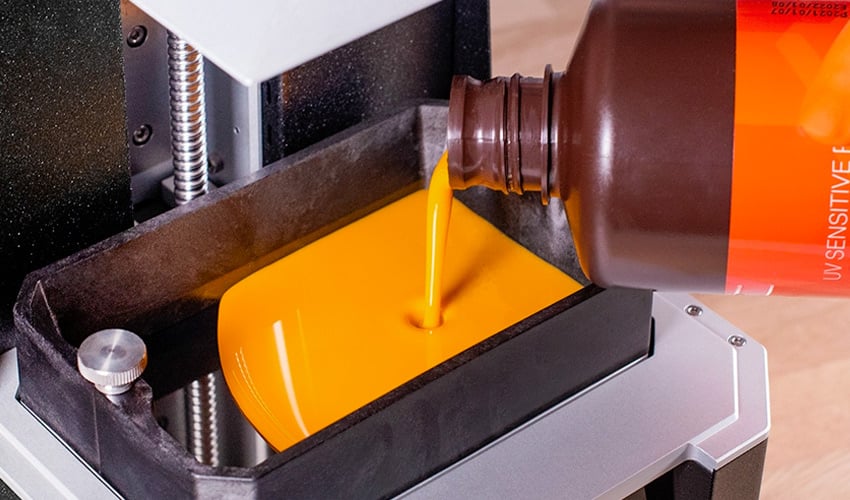
As we have seen on numerous occasions, choosing the right material is a fundamental step in additive manufacturing. This is especially important in resin 3D printing, a process in which photosensitive materials are cured layer by layer until the final, highly-detailed part is achieved. Moreover, resin choice also depends on the photopolymerization process used. On the one hand there is stereolithography, or SLA, which uses a laser to cure the material, and on the other there are the DLP and LCD methods, which use light displays. To better understand the currently available material options, we took a closer look at the types of resins you can use in 3D printing and their different characteristics.
It should be noted that resin performance is determined by the optimal polymerization induced by the curing light, which can be single or multi-wave. This is where the concept of resin wavelength comes into play. The lower the wavelength rating of the resin, the higher the light output power needed to cure it. It is for this reason that manufacturers specify a wavelength with which their resins are compatible. Thus, we understand that the wavelength of DLP/LCD resins is longer than SLA resins.
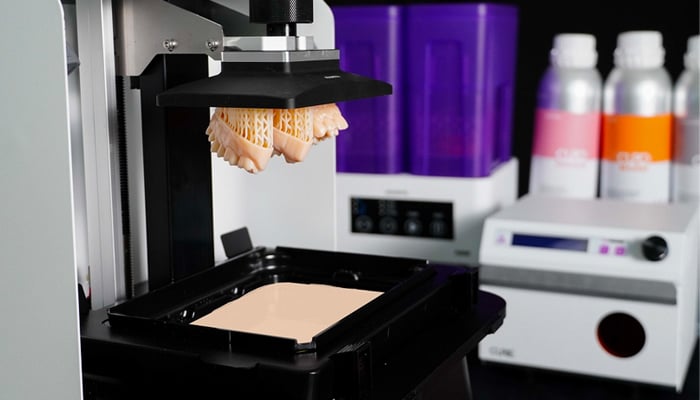
Photo Credits: Ackuretta
Standard 3D Printing Resins
As expected, this type of resin is the most generic in the list and on the market. Practically all manufacturers develop standard resins, so you can buy them anywhere, at an affordable price and with a wide variety of colors to choose from. They are a very versatile option, as they combine smooth and detailed results, with considerable hardness and simple post-processing such as painting and sanding. However, care must be taken as they are fragile and can break and crack. The accessibility and ease of use make it ideal for getting started in the world of resin 3D printing and creating decorative objects, prototyping, figurines and more.
More from the desk
Six other notes from the rest of the bench.
 ApplicationsNorsk Titanium supplies new parts for the construction of Boeing 787The American manufacturer Norsk Titanium US Inc, better known as Norsk, has started delivering new parts for the Boeing 787 Dreamliner. The Leonardo factory in Grottaglie, southern Italy, will receive the latest components from Norsk, one of the leaders in…
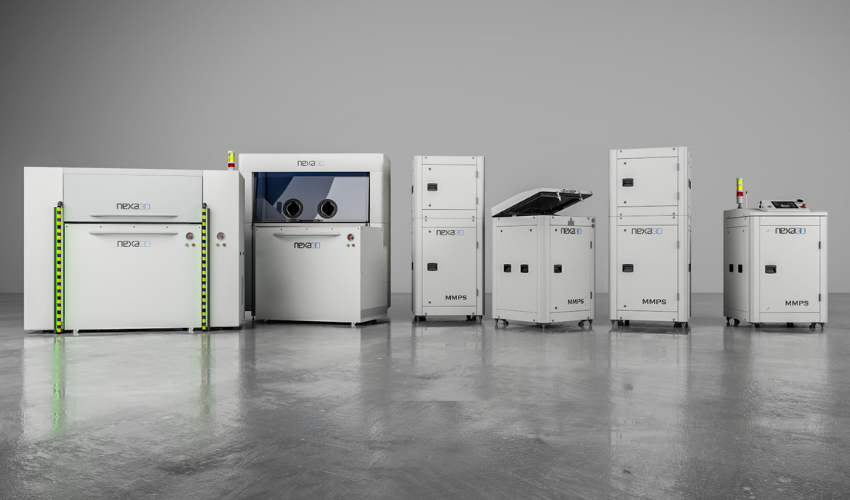 PrintersNexa3D’s New SLS Solution Optimizes Productivity With Even Faster Print SpeedsAlready renown for their ultrafast polymer 3D printers, Nexa3D decided to up the ante with their latest launch — the QLS 350 thermoplastic 3D printer. During this year’s Formnext in Frankfurt, the California headquartered company announced the pre-launch of its…
 ApplicationsInfographic: 3D Printing for Assisting with DisabilitiesDisability can be understood as any condition, whether physical, sensory, cognitive or developmental, that affects a person’s ability to carry out daily activities or participate fully in society. For millions of people worldwide, these limitations shape how they access education
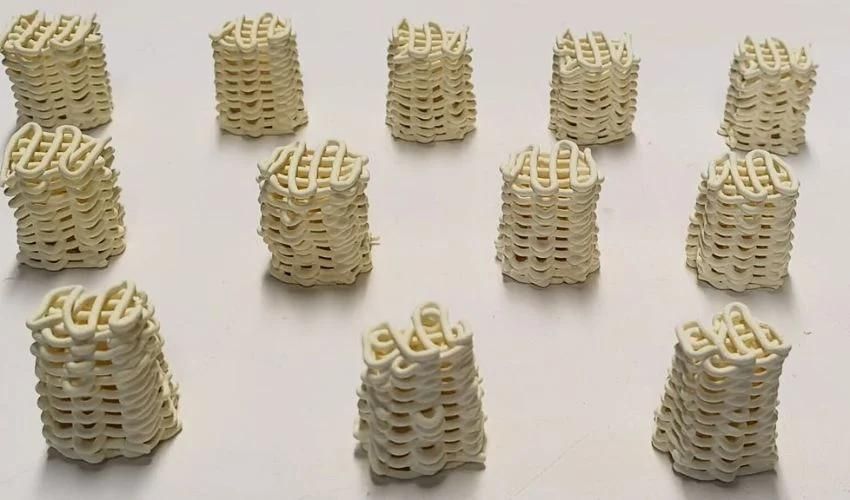 News3D-Printed Ceramic Monoliths Can Purify Water By Removing ‘Forever Chemicals’Worldwide, 2.2 billion people do not have access to a safe drinking water supply and a further 3.5 billion people do not have adequate sanitation facilities. This data, published in the latest United Nations World Water Development Report, confirms the…
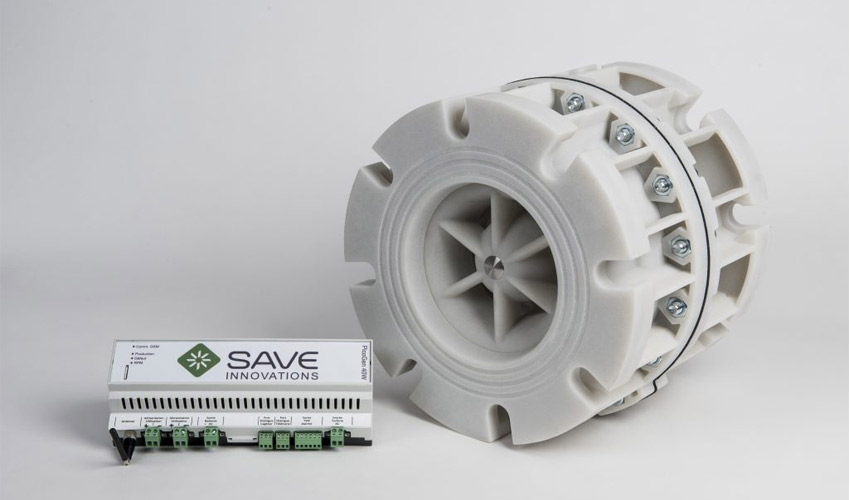 MaterialsRilsan® Polyamide 11 is used to manufacture a turbine in direct contact with drinking waterWhen it comes to product development, additive manufacturing has an important role to play, allowing for quicker iterations, leading to shorter production times. Many design offices have equipped themselves with 3D printing solutions to accelerate innovation and bring to the&hell
 Guides#Working3D: Six Questions for a Pharmaceutical 3D Printing ResearcherAdditive manufacturing in the medical sector is continuously improving and progressing. Innovations and applications are flourishing, demonstrating the potential of 3D technologies to improve the daily lives of many patients. The pharmaceutical field is no exception, and the grad