News
Addressing the problem of food waste with 3D printed clay containers
During the lockdown caused by the global COVID-19 pandemic, Lea Randebrock did not waste time on despair but was busy making her contribution to a more sustainable way of life. The young designer wanted to address the problem of food…
- 3 min read
- News
- Six more stories
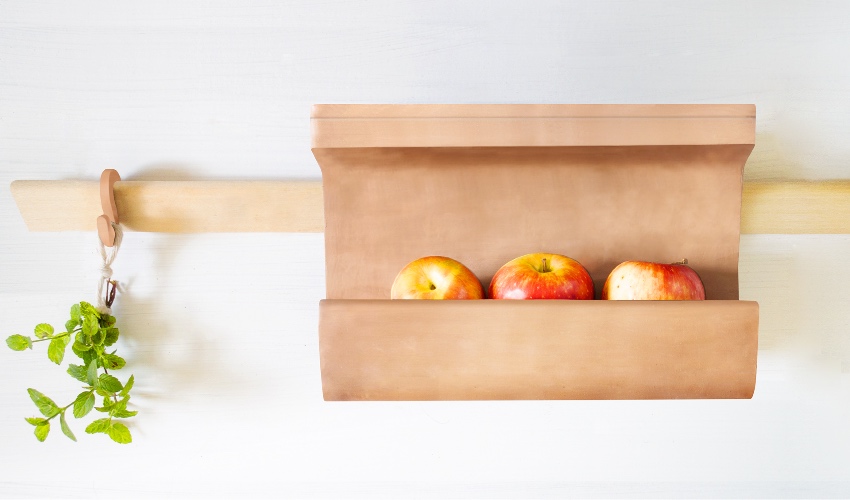
During the lockdown caused by the global COVID-19 pandemic, Lea Randebrock did not waste time on despair but was busy making her contribution to a more sustainable way of life. The young designer wanted to address the problem of food waste, so she created 3D printed clay containers to keep fruits and vegetables fresh for a longer time. It’s a remarkable achievement as Randebrock did not have access to many resources during the lockdown, but a 3D printer and just enough material made it possible for the The Clay Pantry project to be born.
Lea Randebrock is a Finnish-German designer, who studied furniture design in Finland and is now studying at the Royal College of Art in London. Inspired by traditional manufacturing techniques and materials from all over the world, she creates designs with the aim to challenge the perception of material and shape. High in her priorities is the rethinking of how products are made and used in the context of sustainability.
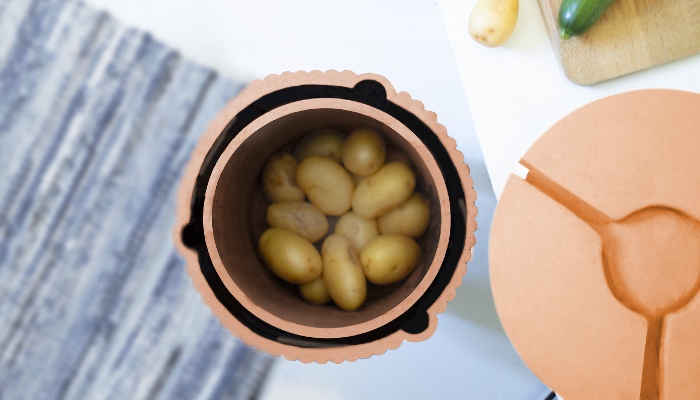
All image credits: Lea Randebrock
The eco-friendly containers were 3D printed with clay, or more precisely, with a porous terracotta material. This particular material enables the objects to cool through evaporation of water. Therefore, in a way, the 3D printed clay containers act like plants in that they need to be watered in order to fully function. For instance, one of the designs, the Tempered Box, provides a cool humid climate regardless of whether it is inside or outside the fridge.
More from the desk
Six other notes from the rest of the bench.
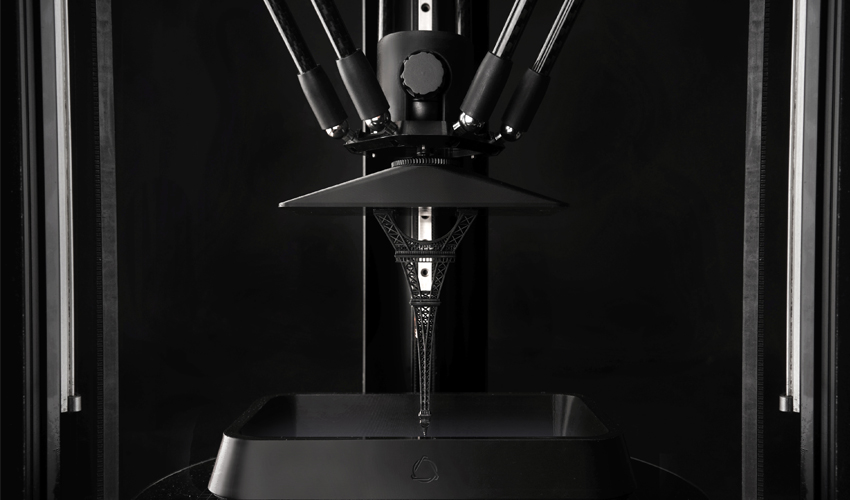 PrintersAtom 3, the first 3D printer that combines FDM and SLA into one3D printer manufacturer Layer One has just revealed its latest machine the Atom 3, which is capable of combining two 3D printing technologies, FDM, and stereolithography. In addition, check out our Top 10 resin 3D printers for some similar printers.…
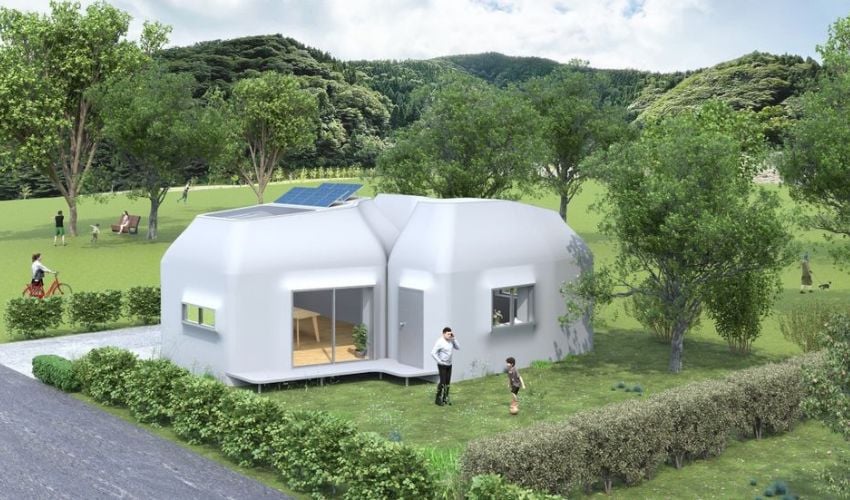 NewsSerendix50, the 3D Printed House That Costs Less Than a CarThe incessant inflation of housing prices is a matter of concern for millions of people. It is becoming increasingly expensive both to buy a house and to live in it, so that young and not so young people continue to…
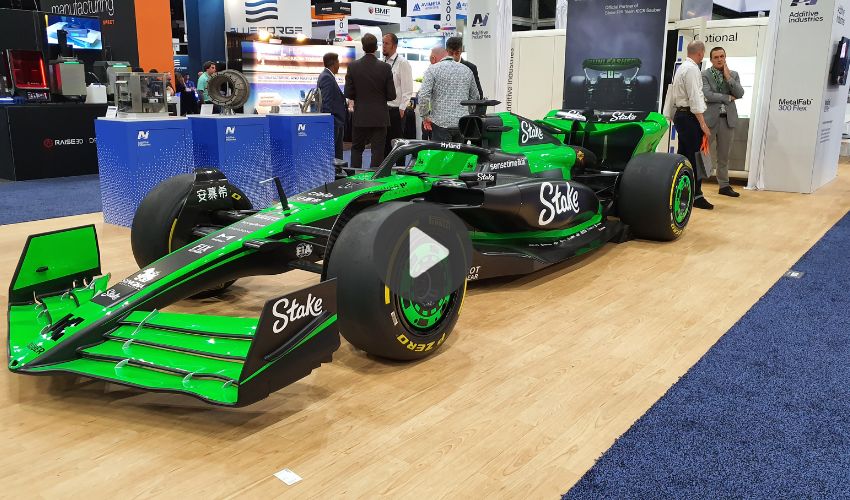 NewsThe Best Innovations at RAPID + TCT 2024Have you been keeping up with all the news from RAPID + TCT? With a rapidly changing additive manufacturing landscaping, it can be hard to know what some of the most interesting technologies shown at the event were. That is…
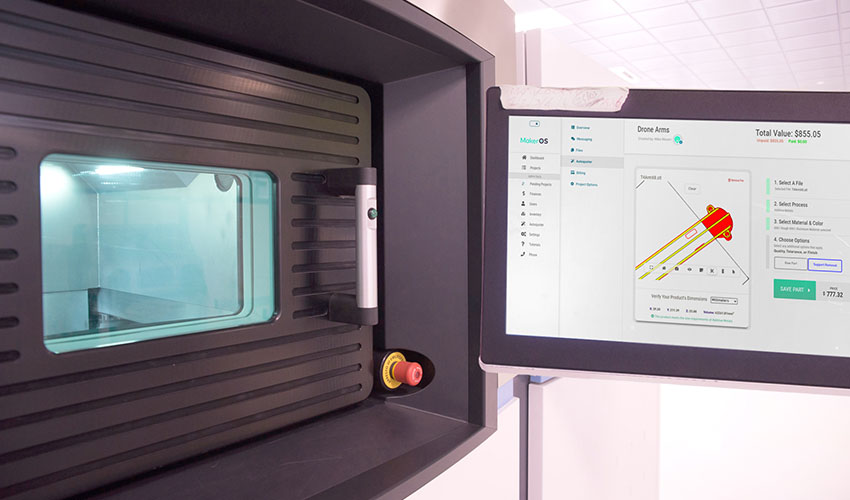 SoftwareMakerOS releases version 2.0 to sync 3D printing teams with their clientsMakerOS, a startup based in New York City and Detroit, launched a collaboration platform for 3D printing businesses back in 2015. Given the challenges 3D printing companies were facing when managing various client projects at the same time, the MakerOS…
 News6K Additive Shows Its Sustainable, Metal Powders for Additive ManufacturingIt goes without saying materials and additive manufacturing go hand in hand. Whether metals, polymers or ceramics, the right material is critical for ensuring that users can produce parts with the right properties and characteristics. This is especially the case…
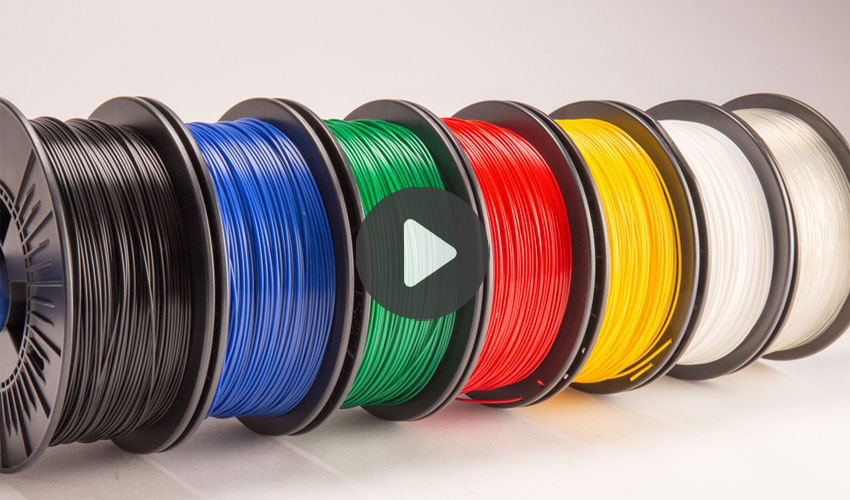 NewsTop 5 Videos: PLA vs. ABS & 3D-Printed RocketsThis week discover, among other things, the properties and characteristics of PLA vs. ABS, two of the most popular polymers in the 3D printing industry. Next, explore the world of 3D-printed rockets being used for space missions. Moving on to…