News
How to Design for Additive Manufacturing: Experts give their advice!
As you will know, a machining piece is not designed in the same way as a 3D printed piece: each manufacturing process is associated with a design technique. In additive manufacturing, there are very specific design rules and tools that…
- 3 min read
- News
- Six more stories
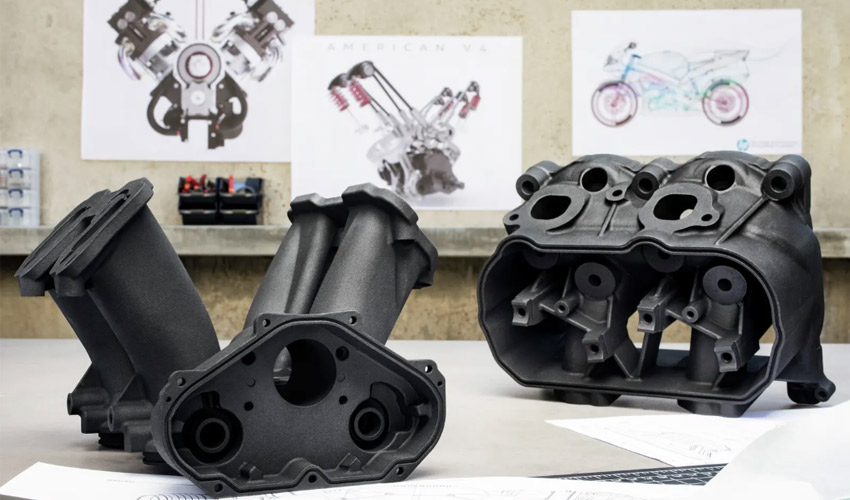
As you will know, a machining piece is not designed in the same way as a 3D printed piece: each manufacturing process is associated with a design technique. In additive manufacturing, there are very specific design rules and tools that will allow you to create an optimized design, ready for 3D printing. These methods are generally grouped under the term Design for Additive Manufacturing (DfAM) – developed to optimize the functional performance of the part as much as possible, but also its cost, reliability, and other product life-cycle considerations. Several techniques are used today, such as generative design, topology optimization or the creation of lattice structures. How to choose the right design method to optimize the entire design process of a 3D printed part? We asked three additive manufacturing experts for their opinion on the matter!
In order to answer the issues related to DfAM, we asked some questions to Ravi Kunju, SVP, Strategy and Business Development at Altair; Daniel Pyzak, Director, EMEA CATIA Competency Center at Dassault Systèmes; and last but not least Peter Rogers, APAC Product Specialist for Additive Manufacturing at Autodesk.



What dictates which DfAM technique is used?
For some context, DfAM emerged because of the enormous design freedom and unique capabilities provided by AM technologies, as opposed to traditional methods such as CNC machining, where some designs are simply impossible to manufacture. Peter Rogers elaborates on this point: “For additive, the question ‘Can we do that?’ is often answered by a ‘yes’. While it is feasible to do something, it doesn’t mean it should be done that way. Production and manufacturing teams are building out their understanding of the best practices around AM.“
More from the desk
Six other notes from the rest of the bench.
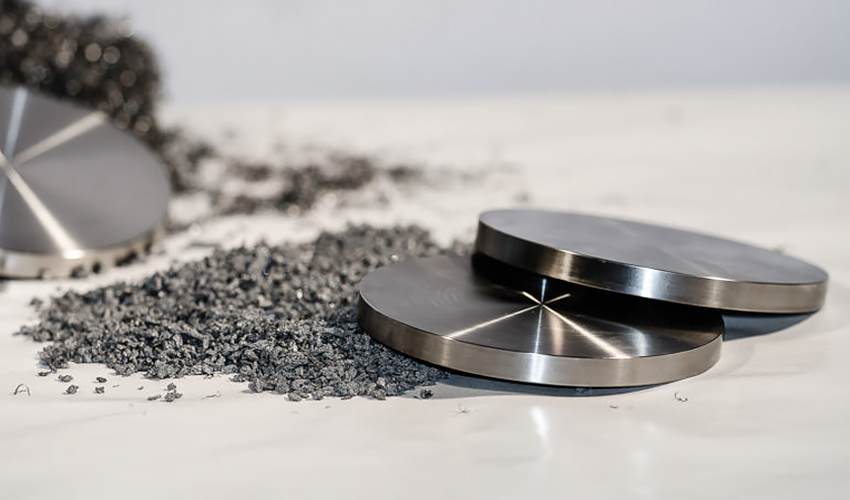 MaterialsAll You Need to Know About 3D Printing with Cobalt-ChromeCobalt-chromium (or cobalt-chrome) is a metal alloy that has gained prominence in a variety of industrial applications, particularly in additive manufacturing. With its unique combination of strength and durability, cobalt-chrome is ideal for creating parts that require high prec
 NewsA 3D Printed Book Cabin Has Been Placed in a Shanghai ParkA book cabin that has been 3D printed from concrete has been placed in Shanghai’s Baoshan Wisdom Bay Science and Technology Park. Designed by Professor Xu Weiguo of Tsinghua University’s School of Architecture, the curved structure is part of the…
 ApplicationsWhy Did a Porsche 911 Suddenly Appear on a Polish Beach in Gdynia?The Porsche 911 is considered an exceptional car not only among car enthusiasts today, but also in the past as a classic car. But what would you say if we told you that exactly such a Porsche 911 washed up…
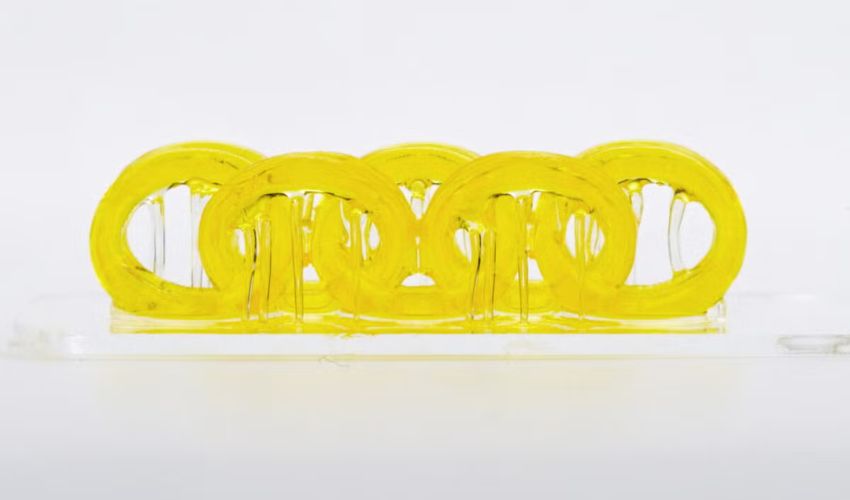 ApplicationsUT Austin Researchers Create Functional, 3D Printed Knee JointThis summer, the University of Texas at Austin published an exciting innovation in 3D printing, which has the potential to revolutionize the next generation of medical devices and flexible electronics. Researchers at the university, funded by the US Department of…
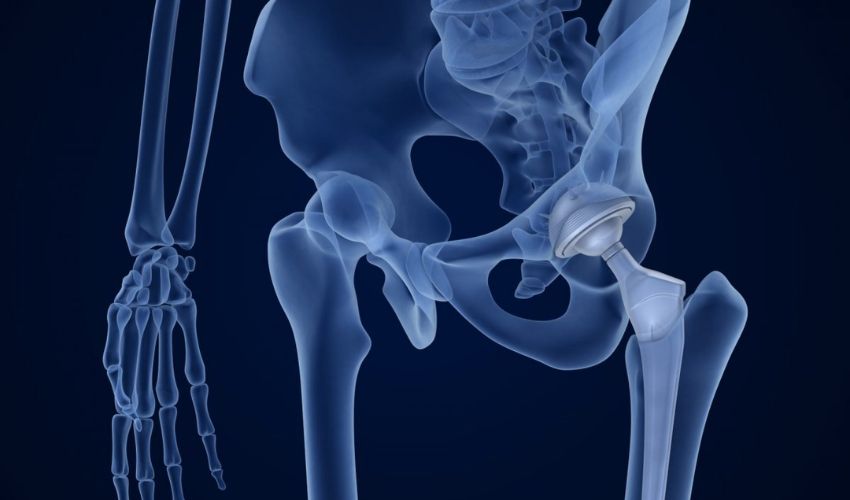 Applications3D Printed Antibacterial Scaffolds for Bone RegenerationBone surgeries are a complex and painful process, and surgeons take extensive precautions to prevent infection. Bone infections are difficult to treat, often requiring at best antibiotics and at worst lengthy hospital stays and surgeries. Therefore, any product which aims…
 NewsThe Industrial 3D Printing Market is Maintaining its GrowthThe consulting firm CONTEXT publishes a quarterly study on the additive manufacturing market, focusing on machine shipments across all product lines. This time around, the news from the report is positive, showing growth in orders and shipments, particularly in the…