Materials
All You Need to Know About 3D Printing with Cobalt-Chrome
Cobalt-chromium (or cobalt-chrome) is a metal alloy that has gained prominence in a variety of industrial applications, particularly in additive manufacturing. With its unique combination of strength and durability, cobalt-chrome is ideal for creating parts that require high prec
- 3 min read
- Materials
- Six more stories
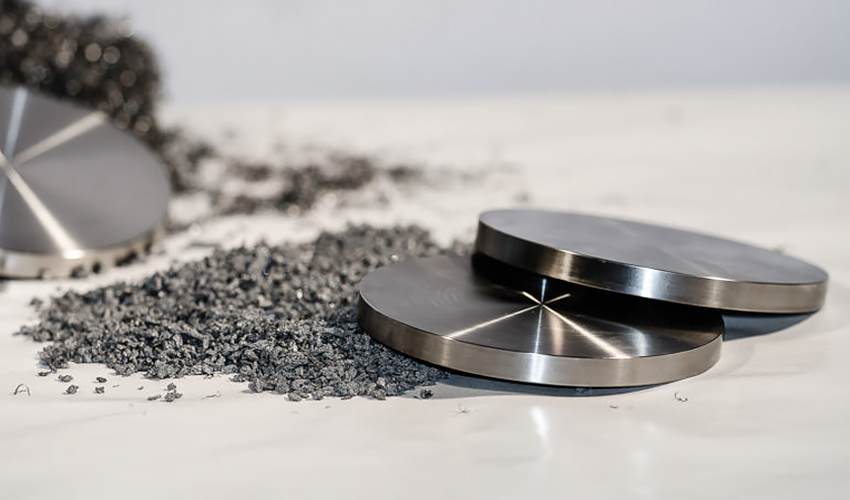
Cobalt-chromium (or cobalt-chrome) is a metal alloy that has gained prominence in a variety of industrial applications, particularly in additive manufacturing. With its unique combination of strength and durability, cobalt-chrome is ideal for creating parts that require high precision and strength under demanding conditions, such as medical and dental components. This alloy stands out not only for its mechanical properties but also for its ability to be molded into complex shapes using 3D printing, opening up new possibilities in the design and manufacture of customized parts. In this guide, we’ll explore the properties of cobalt chromium, its advantages in 3D printing, and the main applications and manufacturers of this material on the market.
Characteristics of the Material
As its name suggests, this metal alloy (CoCr) consists mainly of the chemical elements chromium and cobalt. It also contains a small proportion of other chemical elements, such as molybdenum, tungsten and nickel. It is a non-magnetic alloy obtained by advanced metallurgical processes involving the fusion of cobalt and chromium with other elements to enhance its mechanical properties and strength. One of the most common methods of obtaining them is electric furnace melting, in which these metals are melted at high temperatures in induction or electric arc furnaces. In some cases, once the liquid alloy has been obtained, it can be subjected to a forging process, which involves heating and molding the material by applying pressure.
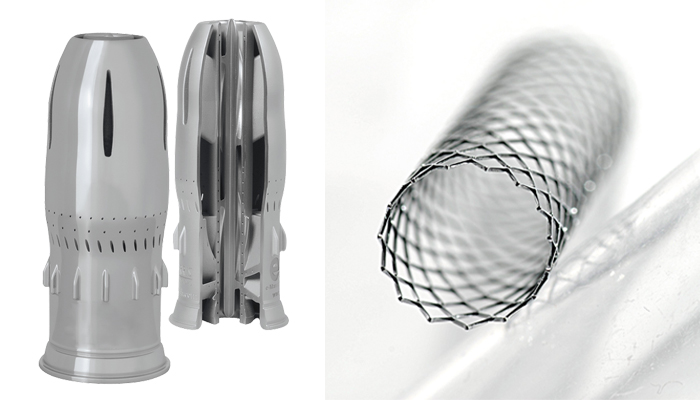
This material is characterized by its strength and durability
However, when required in the form of metal powder for 3D printing applications, cobalt-chrome can also be obtained by sputtering. In this process, the alloy is converted into fine particles using atomization or sputtering techniques, enabling it to be used in additive manufacturing technologies based on powder beds. These techniques make it possible to create complex parts from metal powder, offering greater flexibility in the design and manufacture of high-precision components. Among cobalt-chrome’s most outstanding characteristics are:
More from the desk
Six other notes from the rest of the bench.
 ApplicationsYou can now get up in the air with the 3D printed jet suitThe idea of man flying is a dream that has been pursued for centuries. A dream that seemed like science fiction or belonging to Iron Man, but is now possible with Richard Browning’s development of: the 3D printed jet suit…
 NewsBCN3D Reveals its New Resin Technology, VLM, for Multi-Material 3D PrintingAlready present for 10 years on the FDM printer market, BCN3D has reached a turning point today with the unveiling of a new technology. After 3 years of research and development, the Barcelona-based manufacturer will be releasing its “Viscous Lithography…
 NewsTop 5 Videos: artha 3D Prints Device for Blind and Visually ImpairedIn this week’s Top 5, we first feature a 3D Interview with artha France, a French startup that designed a device for the blind and visually impaired. Second, we have a video from Polymaker on its new material, a co-polymer…
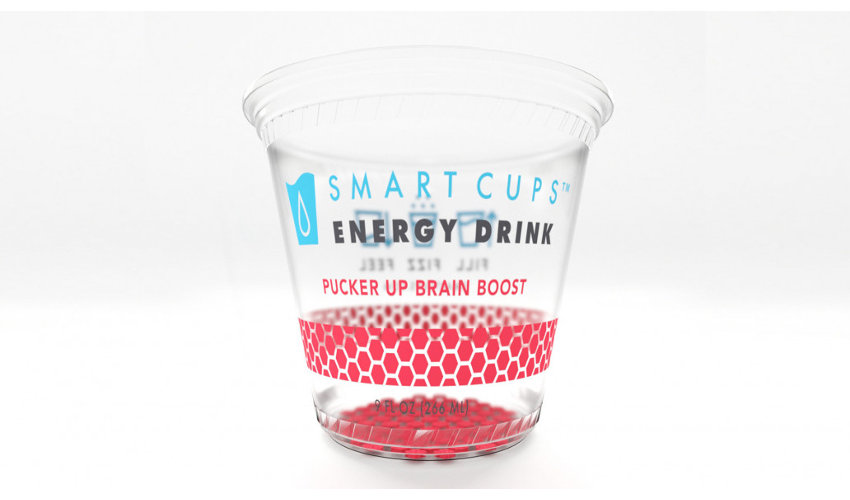 MaterialsSmart Cups: 3D Printed Energy Drinks For EveryoneSmart Cups have just revealed plans to ship empty biodegradable plastic cups with polycapsule flavors created with additive manufacturing. But will it catch on? California-based startup Smart Cups have revealed something that hasn’t previously been seen. They are selling em
 NewsWhy Ghosting Occurs in 3D Printing and How to Avoid It3D printing, like any manufacturing method, does not come without problems. Besides stringing in 3D printing, where unwanted thin filament threads are stretched between non-printed areas, thus creating ‘strings’ of material, there is also ghosting. You may have heard
  MaterialsLucideon Talks Advancing Metal and Ceramic AMMaterials are, and always will be, the core of additive manufacturing. But being able to pick the right one for the right application, and making it with the right process, is a constant challenge for many looking to adopt the…