News
A 3D Printed Book Cabin Has Been Placed in a Shanghai Park
A book cabin that has been 3D printed from concrete has been placed in Shanghai’s Baoshan Wisdom Bay Science and Technology Park. Designed by Professor Xu Weiguo of Tsinghua University’s School of Architecture, the curved structure is part of the…
- 3 min read
- News
- Six more stories
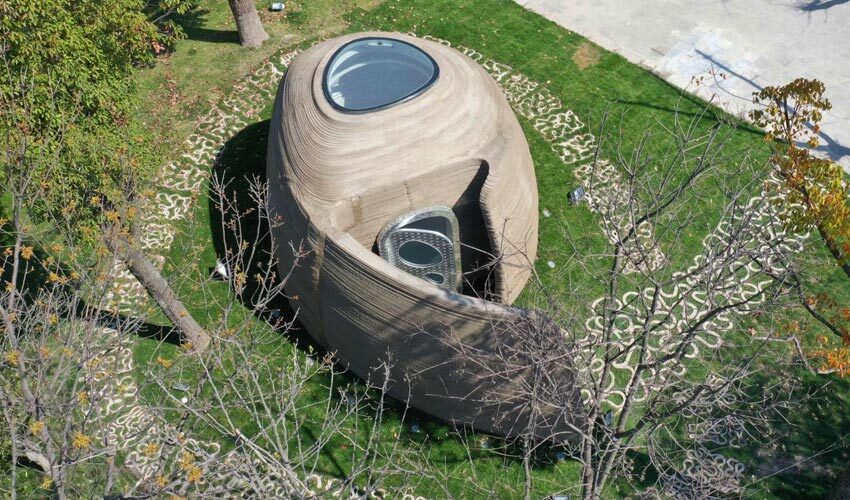
A book cabin that has been 3D printed from concrete has been placed in Shanghai’s Baoshan Wisdom Bay Science and Technology Park. Designed by Professor Xu Weiguo of Tsinghua University’s School of Architecture, the curved structure is part of the “Art Bridge Space” bookstore and can be used for exhibitions, academic discussions and literary exchange sessions. Both the 3D printer used in the project and the materials were developed by the team.
The combination of technology and literary culture is of particular interest. In fact, many books and articles related to additive manufacturing have been published. From books on 3D printing to guides on how to implement this production method, as well as interesting articles on the 3D revolution that is taking place worldwide thanks to the technology’s adoption by various companies. Another example of the overlap between literature and 3D printing, though this time in a more practical way, is the book “Silence”, which was 3D printed using flexible materials and which allows blind people to read it thanks to the embossed braille on the pages. This time, however, we are taking a closer look at an original concrete structure that serves as a small cabin for reading books and sharing knowledge about literature.
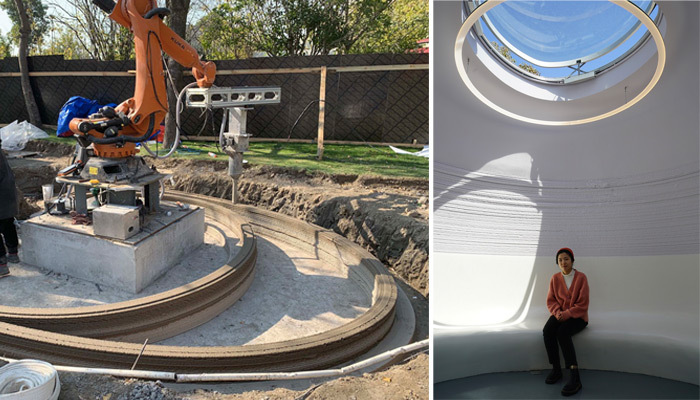
The construction process of the cabin and the interior
3D printing of the book booth
The development of the project began with a sketch of the idea, which was later transferred to Autodesk’s Maya software. There, the space and the structure were shaped, always according to the needs of the construction, in order to determine the execution of the system. Coding prior to printing allows the digital file to be completed so that the technology is able to follow the curved shape of the initial idea. To create the cabin, Professor Xu Weiguo’s team used a 3D printer with a robotic arm that extrudes the concrete layer by layer. Specifically, the material used is concrete that does not require reinforcement with steel bars or formwork. This is undoubtedly one of the great advantages of additive manufacturing in the construction sector, compared to traditional techniques that require more time, costs and materials.
More from the desk
Six other notes from the rest of the bench.
 NewsCandy Play, Polaroid’s New 3D Pen That Makes CandyBecause of their ease of use, functionality and material compatibility, 3D pens are becoming increasingly popular in the additive manufacturing market. Based on the FDM process, 3D pens are for some an alternative to desktop 3D printers, although the finishes…
 NewsStratasys Announces $120 Million Investment by Private Equity FundSuffice to say, it has not been the smoothest sailing for the 3D printing market in the past year or so. This has particularly been the case for some of the largest companies in the sector, who have faced layoffs…
 SoftwareSketchUp: All You Need to Know Before Getting StartedIn the 3D printing industry, many 3D modeling software options enable you to design your 3D printed projects. Some software solutions are widely recognized on the market today, although they are not entirely dedicated to additive manufacturing, even though they…
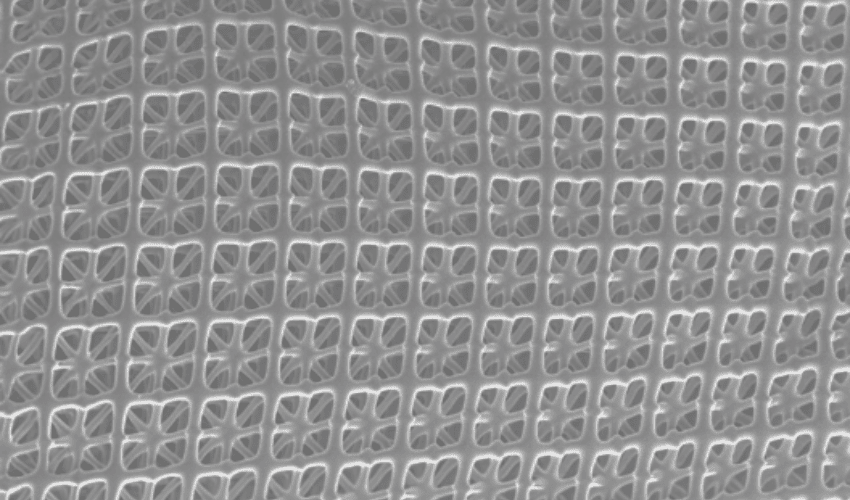 MaterialsUniversity of Toronto Researchers Create ‘Strong as Steel, Light as Foam’ Nano-Architected Materials Using 3D PrintingThanks to machine learning and 3D printing, researchers at the University of Toronto have developed nano-architected materials that combine the strength of carbon steel with the lightness of polystyrene foam. 3D printing, which facilitates the creation of such innovative material
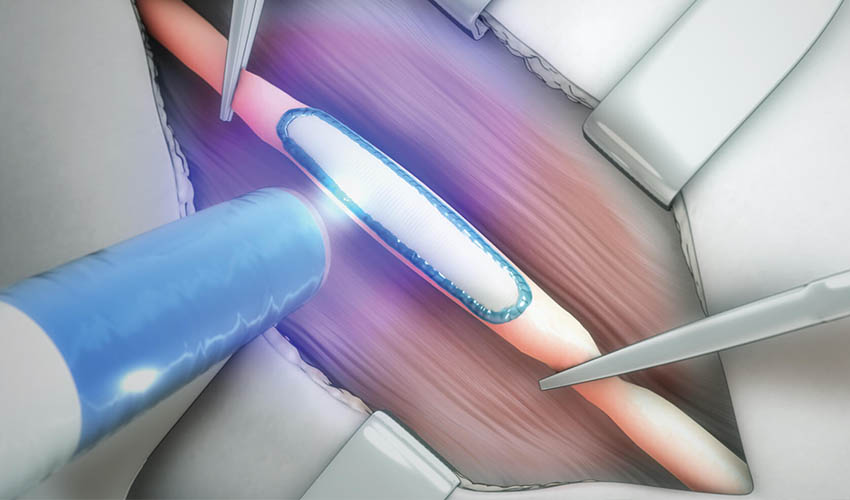 ApplicationsTISSIUM receives FDA approval for its polymerizable vascular sealantTISSIUM was founded in 2013 to address one of the most persistent medical challenges since the inception of medical procedures: to reconstruct damaged tissue. The medtech company developed a proprietary technology, called biomorphic programmable polymers, to transform the way tis
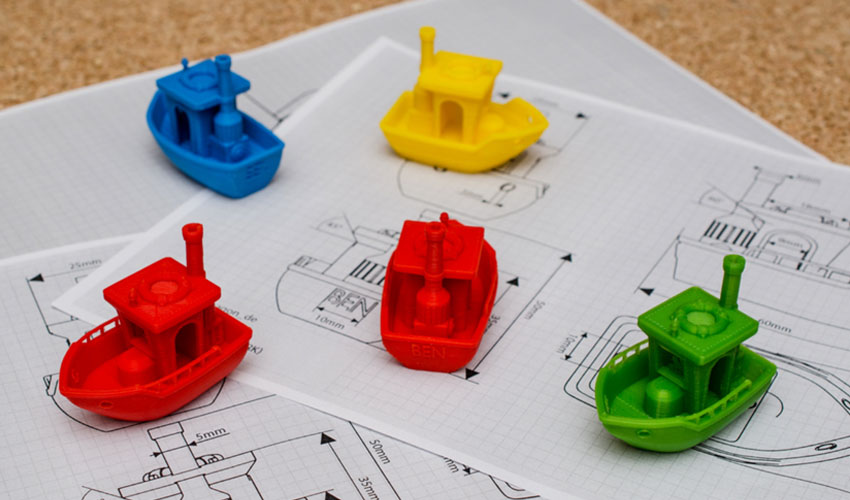 GuidesVandragon’s beautiful 3D printed boatsTino, also known as vandragon_de, has quickly gained popularity for his 3D printable boats. Starting his boating journey thanks to his son’s love for boats, he has quickly changed the 3D printing boat game. As we at 3Dnatives are always…