News
CMT Additive Pro: Fronius Impresses With 3D-Optimized Welding Process
The flexibility in design and customization, the elimination of casting molds and the low material consumption paved the way for metal 3D printing and ultimately ensured its successful entry into various industrial applications. Nevertheless, metal additive manufacturing is not i
- 3 min read
- News
- Six more stories
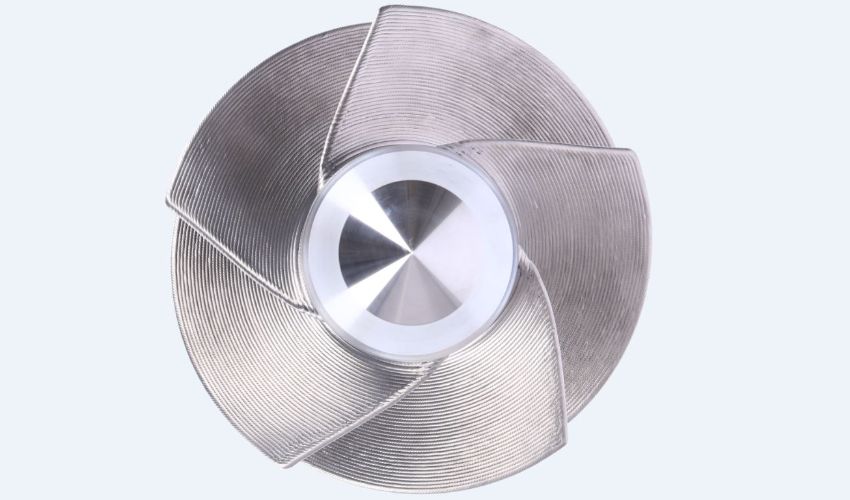
The flexibility in design and customization, the elimination of casting molds and the low material consumption paved the way for metal 3D printing and ultimately ensured its successful entry into various industrial applications. Nevertheless, metal additive manufacturing is not immune to challenges. Technologies and systems need to be developed that allow material- and cost-efficient processing and deliver stable, reproducible results. This is the aim of Fronius CMT Additive Pro. This characteristic line designed for additive manufacturing combines Fronius expertise in welding with innovative 3D printing to enable new applications.
In 2005, the Wels, Austria-based company Fronius developed its Cold Metal Transfer (CMT) technology, a stable, controllable welding process that is comparatively “cool” due to its reversing wire movement. This is perfect for additive manufacturing due to its low spatter and high process stability.CMT Additive Pro is a new 3D-optimized welding characteristic for the Fronius iWave Multiprocess PRO and enables the cost-effective and precise production of components using the WAAM process.
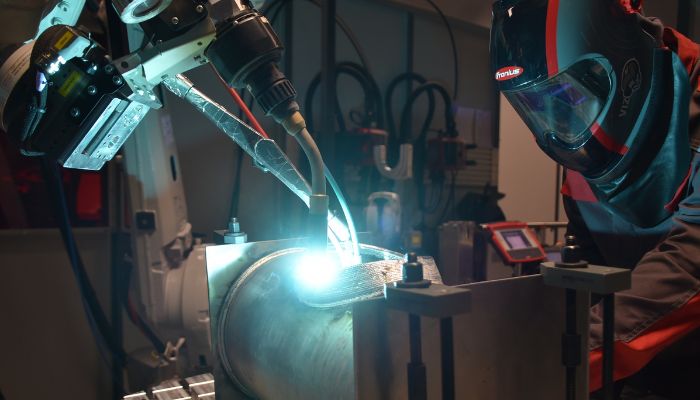
A sample qualification is being carried out in this image
In addition to a stable arc, heat management is also crucial for high-quality additively manufactured parts. Thanks to innovations such as the deposition rate stabilizer or power correction, CMT Additive Pro makes it possible to achieve a uniform layer build-up and ensure a high level of reproducibility. Other features include Pulsed HotStart, which enables a simple welding start in the pulsed arc and achieves sufficient penetration and a constant layer height without changing the operating point, as well as CTWD value measurement, which measures in real time and was specially developed for materials with low electrical conductivity such as steel.
More from the desk
Six other notes from the rest of the bench.
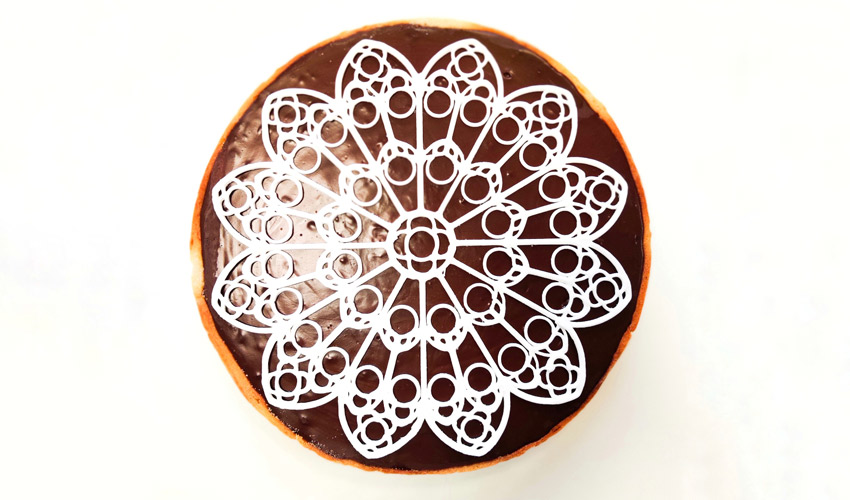 NewsLa Pâtisserie Numérique develops a slicer for food 3D printing3D printing food presents a number of challenges even though it allows to create more complex shapes and geometries, adding originality to dishes. Marine Coré Baillais has set herself the goal of meeting these challenges by launching La Pâtisserie Numérique.…
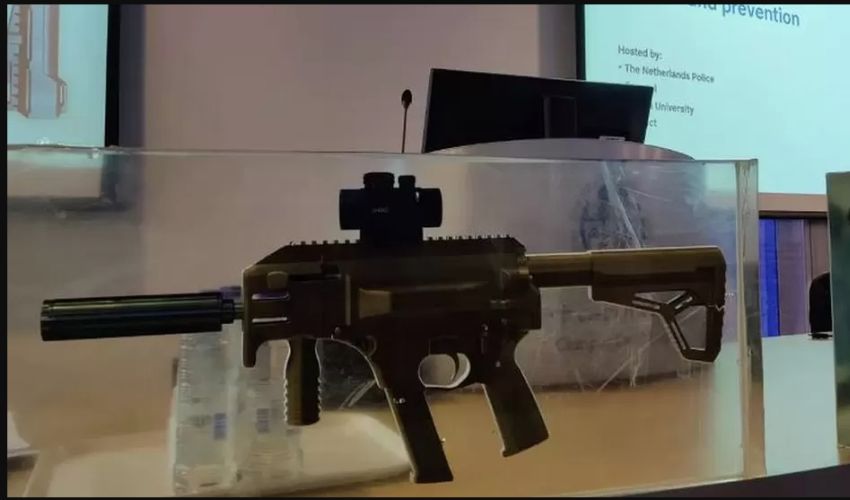 NewsAs 3D Printed Guns Evolve, So Does Their ThreatAccording to a report, 3D printed guns have become a compelling choice for criminals and a definite threat to security. In the UK, police made one of the largest seizures of 3D printed weapon components last month and warned of…
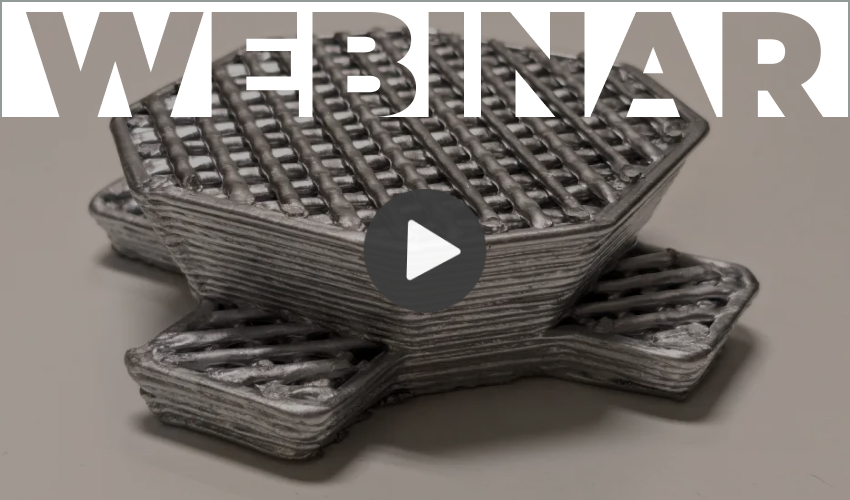 NewsWEBINAR: Aluminum AM Made Simple: Insights from Sirris and ValCUNAluminum is one of the most widely used metals in the world, yet it remains one of the most challenging materials for additive manufacturing. High thermal demands, alloy sensitivities, and complex workflows often push companies toward easier metals, even when…
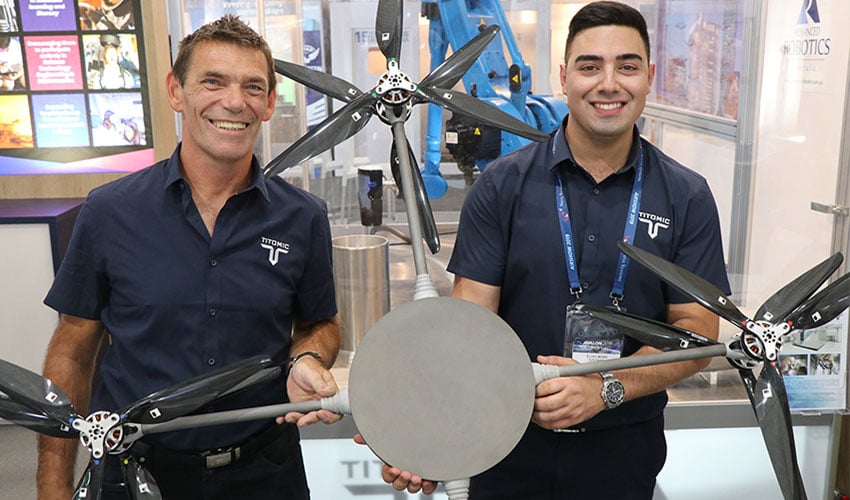 NewsTitomic 3D prints the largest titanium droneTitomic is an Australian manufacturer of 3D metal printers that recently unveiled a 3D printed titanium drone, the largest on the market according to the company. And for good reason, this one is 1.8 metres in diameter! It was designed…
 NewsMeet France’s Newest 3D Printed AI StudentStudents at ECE (École centrale d’électronique) in France, a renowned engineering school specializing in artificial intelligence, were recently greeted by a new classmate. Her name is Milo, and she is the first autonomous AI student in the country. She can…
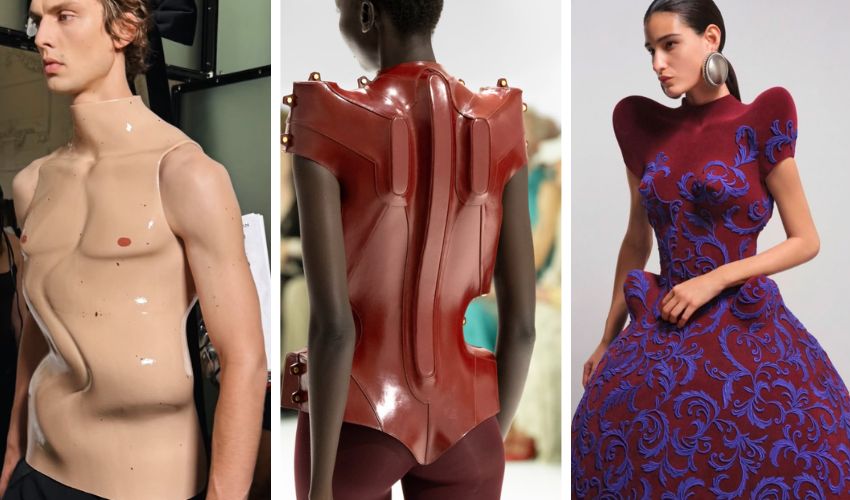 MaterialsHow Jean Paul Gaultier and Sculpteo 3D Printed AW26 Haute CoutureFrom the 3D printer to the couture runway. Jean Paul Gaultier turned to additive manufacturing for five looks in its Autumn/Winter 2026-27 haute couture collection, shown in Paris in July. The collection was Duran Lantink’s first couture outing as creative…